THE ADVENTURE COLLECTIVE® · Independent discovery and booking for outdoor travel

A short drive from Agadir, Paradise Valley delivers carved pools, palm groves and compact canyon hiking in the High Atlas foothills. This half-day trip blends easy scrambles, scenic viewpoints, and a chance to swim in natural basins—ideal for travelers who want a nature escape without a full multi-day trek.
A short drive from Agadir, Paradise Valley delivers carved pools, palm groves and compact canyon hiking in the High Atlas foothills. This half-day trip blends easy scrambles, scenic viewpoints, and a chance to swim in natural basins—ideal for travelers who want a nature escape without a full multi-day trek.
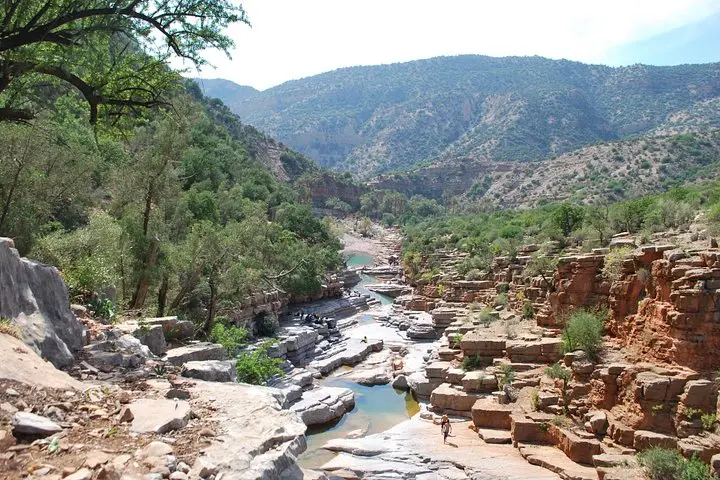
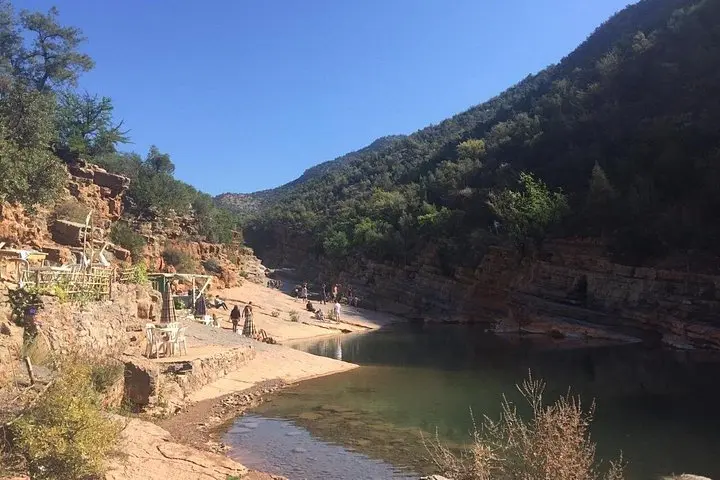
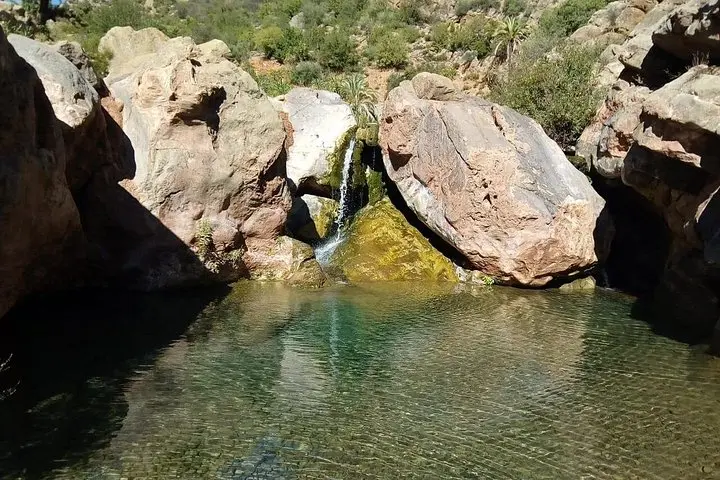
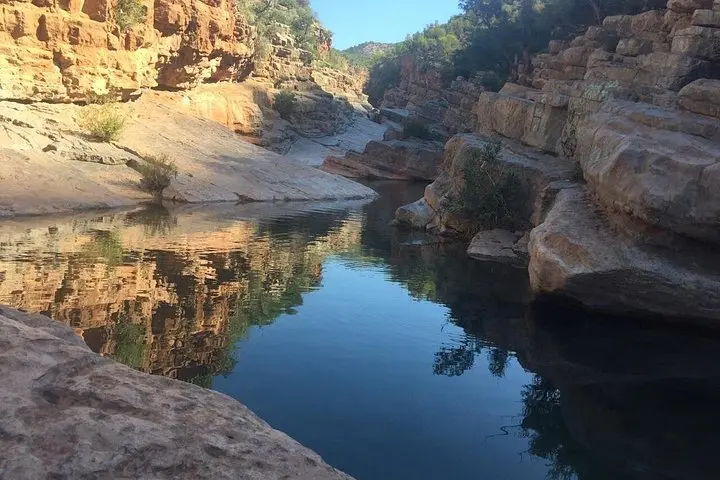
You round the last bend and the valley opens: a ribbon of rock-cut pools threaded by a river that seems to dare you to follow it upstream. Palm fronds shiver above terraces of olive and fig; the air carries dust, citrus, and the faint tang of wet stone. Sitting on a sun-warmed slab, you can see the High Atlas foothills sloping away—rugged, layered, and shaped by water over millennia.
Verified experiences and guided adventures in the surrounding area.
Operated by Supplier Transport Morocco · Agadir, Souss-Massa
You round the last bend and the valley opens: a ribbon of rock-cut pools threaded by a river that seems to dare you to follow it upstream. Palm fronds shiver above terraces of olive and fig; the air carries dust, citrus, and the faint tang of wet stone. Sitting on a sun-warmed slab, you can see the High Atlas foothills sloping away—rugged, layered, and shaped by water over millennia.
Geologically, Paradise Valley is a short, steep example of Atlas erosion: the river has incised gorges and formed natural basins where groundwater emerges. Culturally the valley still serves nearby Berber villages—irrigation channels and small groves speak to centuries of hand-tended agriculture. The site’s popularity is recent; day-trippers arrive from Agadir to cool off and take in panoramic viewpoints above the palm groves.
On the trail expect a mix of packed dirt, loose scree and smooth volcanic slabs; short scrambles are common but there are no technical pitches. Water levels fluctuate seasonally—spring runoff makes the pools fuller, midsummer can lower flows and intensify heat. Local guides often include a short walking loop and time to swim in the clearer pools.
Practical notes: the trip is roughly 1–1.5 hours drive from Agadir with a 3–4 hour on-site window on most itineraries (six-hour tour total). Wear sturdy shoes with grip, bring 1.5–2 L of water, sun protection and a quick-dry swim layer if you plan to enter the water. Leave no trace: the rock pools are fragile and popular—avoid cliff-jumping and follow your guide’s safety advice.
Most departures are about 45–75 minutes each way depending on pickup location and traffic; the full tour is commonly scheduled as a 6-hour excursion.
Older children who are comfortable on uneven terrain can enjoy the site, but supervision is required around slippery rocks and pools; infant seats are sometimes available on vehicles.
Yes—many visitors swim in clearer basins, but avoid swimming after heavy rain and heed guide warnings about currents and depth.
Not required—access is public—but guided trips provide transport, local knowledge about safe spots and insights on history and ecology.
Supplier Transport Morocco operates guided outdoor trips and adventures with an emphasis on safety, stewardship, and memorable experiences.
You round the last bend and the valley opens: a ribbon of rock-cut pools threaded by a river that seems to dare you to follow it upstream. Palm fronds shiver above terraces of olive and fig; the air carries dust, citrus, and the faint tang of wet stone. Sitting on a sun-warmed slab, you can see the High Atlas foothills sloping away—rugged, layered, and shaped by water over millennia.
You round the last bend and the valley opens: a ribbon of rock-cut pools threaded by a river that seems to dare you to follow it upstream. Palm fronds shiver above terraces of olive and fig; the air carries dust, citrus, and the faint tang of wet stone. Sitting on a sun-warmed slab, you can see the High Atlas foothills sloping away—rugged, layered, and shaped by water over millennia.
Geologically, Paradise Valley is a short, steep example of Atlas erosion: the river has incised gorges and formed natural basins where groundwater emerges. Culturally the valley still serves nearby Berber villages—irrigation channels and small groves speak to centuries of hand-tended agriculture. The site’s popularity is recent; day-trippers arrive from Agadir to cool off and take in panoramic viewpoints above the palm groves.
On the trail expect a mix of packed dirt, loose scree and smooth volcanic slabs; short scrambles are common but there are no technical pitches. Water levels fluctuate seasonally—spring runoff makes the pools fuller, midsummer can lower flows and intensify heat. Local guides often include a short walking loop and time to swim in the clearer pools.
Practical notes: the trip is roughly 1–1.5 hours drive from Agadir with a 3–4 hour on-site window on most itineraries (six-hour tour total). Wear sturdy shoes with grip, bring 1.5–2 L of water, sun protection and a quick-dry swim layer if you plan to enter the water. Leave no trace: the rock pools are fragile and popular—avoid cliff-jumping and follow your guide’s safety advice.