THE ADVENTURE COLLECTIVE® · Independent discovery and booking for outdoor travel
Enter a museum that makes you question what you see: Paradox Museum London pairs hands-on illusion rooms with photo-ready moments. This 90-minute indoor experience is accessible, playful, and ideal for visitors who want quirky, family-friendly entertainment in central London.
Enter a museum that makes you question what you see: Paradox Museum London pairs hands-on illusion rooms with photo-ready moments. This 90-minute indoor experience is accessible, playful, and ideal for visitors who want quirky, family-friendly entertainment in central London.
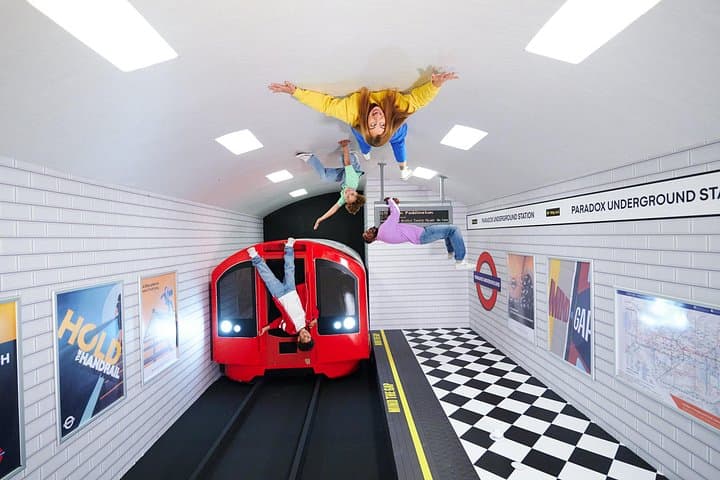
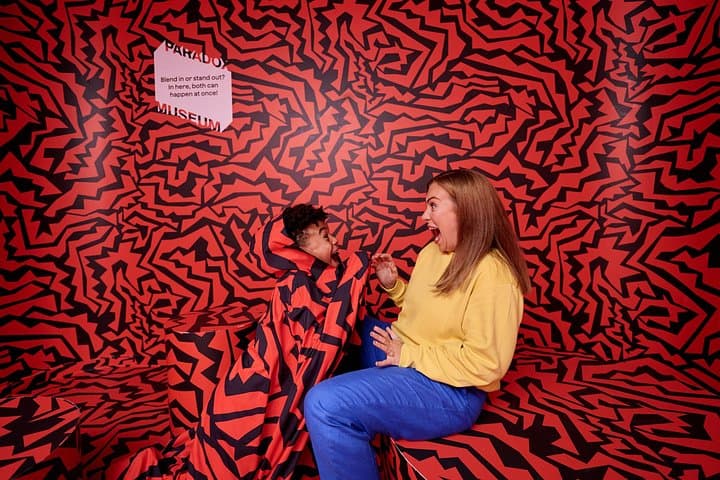
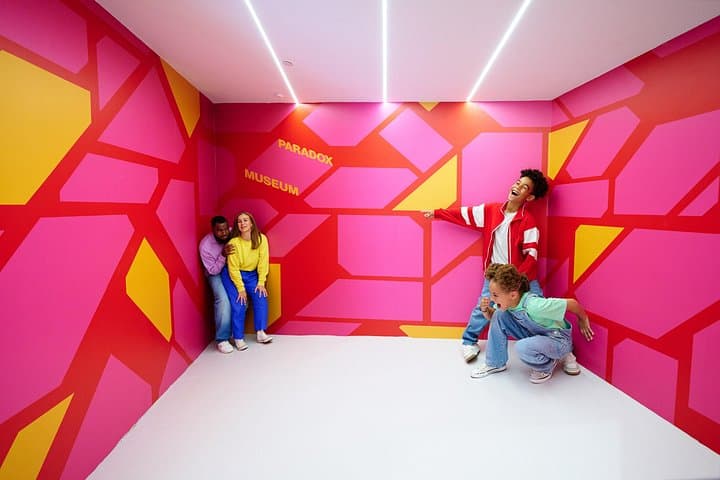
You step through a low-lit doorway and the floor seems to tilt; the room rearranges what you expect and you have to steady yourself against an interior that insists on being wrong. The Paradox Museum in central London stages optical puzzles and interactive installations so that the city’s usual rhythm — buses and footsteps — drops away and perception becomes the itinerary.
Verified experiences and guided adventures in the surrounding area.
Operated by Paradox Museum in London · London, England
You step through a low-lit doorway and the floor seems to tilt; the room rearranges what you expect and you have to steady yourself against an interior that insists on being wrong. The Paradox Museum in central London stages optical puzzles and interactive installations so that the city’s usual rhythm — buses and footsteps — drops away and perception becomes the itinerary.
Housed amid London’s long tradition of public curiosities and Victorian-era popular amusements, the museum leans on classic illusion principles: forced perspective, mirror tricks, and impossible geometry reworked for hands-on play. Geology of the city barely matters here; instead the exhibits borrow from physics and visual science, turning angles and light into surprises. Culturally, the space reflects London’s appetite for playful, shareable experiences — designed for striking photos as much as for short, sharp moments of wonder.
Practical side: visits run about 90 minutes and are suitable for all ages and fitness levels. Expect small queues at peak hours; the experience is fully indoors and wheelchair accessible, with mobile tickets accepted. Bring a charged phone or camera — most rooms invite photography — and leave large bags at your accommodation; movement through narrow illusion halls is part of the design.
Plan early- or late-afternoon slots to avoid family peaks. Combine a visit with nearby museums or a stroll through a quieter square to ground yourself after the visual tricks. Hydrate, wear comfortable shoes for standing and short walks, and be ready to laugh when the room refuses to play by the rules.
Visits are designed for roughly 90 minutes — enough time to move through all exhibits at a relaxed pace.
Mobile or paper tickets are accepted; book online to secure a timed entry slot and avoid queues.
Yes — exhibits are family-friendly and appropriate for most ages, though small children should be supervised in illusion spaces.
Photography is encouraged for most rooms; avoid flash where signage requests it and be mindful of other visitors' frames.
Paradox Museum in London operates guided outdoor trips and adventures with an emphasis on safety, stewardship, and memorable experiences.

You step through a low-lit doorway and the floor seems to tilt; the room rearranges what you expect and you have to steady yourself against an interior that insists on being wrong. The Paradox Museum in central London stages optical puzzles and interactive installations so that the city’s usual rhythm — buses and footsteps — drops away and perception becomes the itinerary.
You step through a low-lit doorway and the floor seems to tilt; the room rearranges what you expect and you have to steady yourself against an interior that insists on being wrong. The Paradox Museum in central London stages optical puzzles and interactive installations so that the city’s usual rhythm — buses and footsteps — drops away and perception becomes the itinerary.
Housed amid London’s long tradition of public curiosities and Victorian-era popular amusements, the museum leans on classic illusion principles: forced perspective, mirror tricks, and impossible geometry reworked for hands-on play. Geology of the city barely matters here; instead the exhibits borrow from physics and visual science, turning angles and light into surprises. Culturally, the space reflects London’s appetite for playful, shareable experiences — designed for striking photos as much as for short, sharp moments of wonder.
Practical side: visits run about 90 minutes and are suitable for all ages and fitness levels. Expect small queues at peak hours; the experience is fully indoors and wheelchair accessible, with mobile tickets accepted. Bring a charged phone or camera — most rooms invite photography — and leave large bags at your accommodation; movement through narrow illusion halls is part of the design.
Plan early- or late-afternoon slots to avoid family peaks. Combine a visit with nearby museums or a stroll through a quieter square to ground yourself after the visual tricks. Hydrate, wear comfortable shoes for standing and short walks, and be ready to laugh when the room refuses to play by the rules.
