THE ADVENTURE COLLECTIVE® · Independent discovery and booking for outdoor travel

Ride one of Brazil’s most dramatic railways through the Serra do Mar to colonial Morretes and Antonina. This full-day excursion combines engineering landmarks, Atlantic Forest scenery and a riverside lunch of traditional barreado.
Ride one of Brazil’s most dramatic railways through the Serra do Mar to colonial Morretes and Antonina. This full-day excursion combines engineering landmarks, Atlantic Forest scenery and a riverside lunch of traditional barreado.
The train eases out of Curitiba and the landscape immediately changes — rainforest slopes press close, rivers dare you to look away, and iron viaducts stitch the mountains to the shore. Carriages roll past plunging valleys, through 13 tunnels and over 41 bridges, including the dramatic São João Bridge and the Carvalho Viaduct, each structure an engineering note in the chorus of the Serra do Mar.
Verified experiences and guided adventures in the surrounding area.
Operated by Gray Line Brazil · Curitiba, Paraná
The train eases out of Curitiba and the landscape immediately changes — rainforest slopes press close, rivers dare you to look away, and iron viaducts stitch the mountains to the shore. Carriages roll past plunging valleys, through 13 tunnels and over 41 bridges, including the dramatic São João Bridge and the Carvalho Viaduct, each structure an engineering note in the chorus of the Serra do Mar.
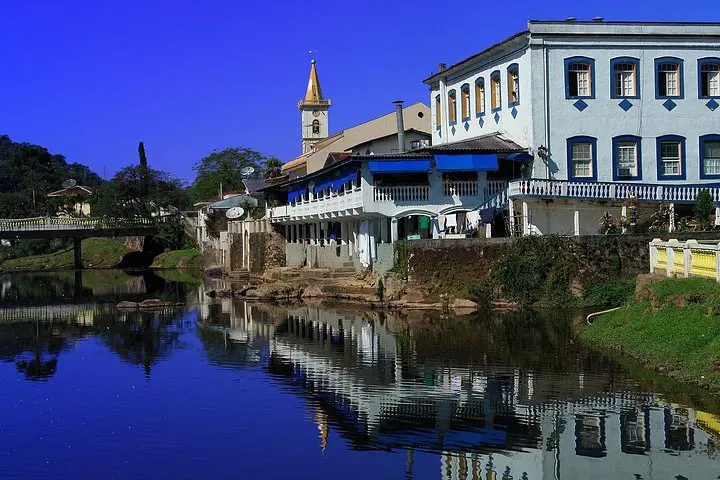
Built in the late 19th century and inaugurated by Princess Isabel in 1884, the Paranaguá–Curitiba Railway cut a route through sheer basalt and ancient soils. The Serra do Mar escarpment, a remnant of South America’s geological uplift, channels humid Atlantic Forest ecosystems downhill; waterfalls and dense canopy frame much of the route. Arriving in Morretes and Antonina reveals colonial streets, wooden churches, and markets selling banana sweets and handcrafted goods — cultural echoes of Portuguese and caboclo traditions.
The day includes a guided city stroll, a stop at a miniature geopark exhibit, and a riverside lunch where Barreado — beef slow-cooked in a clay pot — is served with cassava flour and banana. The return leg follows Estrada da Graciosa, one of Brazil’s scenic roads.
Practical guidance: this is a full-day, low‑impact excursion (about 9 hours total); little hiking is required but expect periods standing on the train and walking on uneven cobbles in towns. Bring a light rain layer, sun protection, comfortable shoes, and local currency for markets. Note bilingual commentary on board; in poor weather the return may be by alternate road route (BR-277). Book ahead in high season to secure preferred language and pickup.
The full-day tour runs about 9 hours, including train time, guided visits in Morretes and the riverside lunch, with a road return to Curitiba.
Yes — the traditional Barreado lunch is included; notify special dietary needs in advance to request alternatives when possible.
If conditions prevent the planned rail route or safe return, the operator may use the BR-277 road for the return leg; local decisions prioritize safety.
Yes — full name, birth date and passport number (or local ID/CPF for Brazilians) are required for the passenger list mandated by local authorities.
Gray Line Brazil operates guided outdoor trips and adventures with an emphasis on safety, stewardship, and memorable experiences.
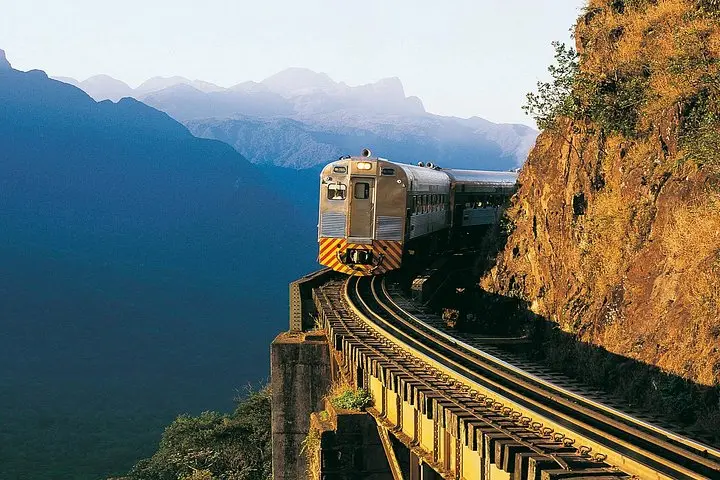

The train eases out of Curitiba and the landscape immediately changes — rainforest slopes press close, rivers dare you to look away, and iron viaducts stitch the mountains to the shore. Carriages roll past plunging valleys, through 13 tunnels and over 41 bridges, including the dramatic São João Bridge and the Carvalho Viaduct, each structure an engineering note in the chorus of the Serra do Mar.
The train eases out of Curitiba and the landscape immediately changes — rainforest slopes press close, rivers dare you to look away, and iron viaducts stitch the mountains to the shore. Carriages roll past plunging valleys, through 13 tunnels and over 41 bridges, including the dramatic São João Bridge and the Carvalho Viaduct, each structure an engineering note in the chorus of the Serra do Mar.
Built in the late 19th century and inaugurated by Princess Isabel in 1884, the Paranaguá–Curitiba Railway cut a route through sheer basalt and ancient soils. The Serra do Mar escarpment, a remnant of South America’s geological uplift, channels humid Atlantic Forest ecosystems downhill; waterfalls and dense canopy frame much of the route. Arriving in Morretes and Antonina reveals colonial streets, wooden churches, and markets selling banana sweets and handcrafted goods — cultural echoes of Portuguese and caboclo traditions.
The day includes a guided city stroll, a stop at a miniature geopark exhibit, and a riverside lunch where Barreado — beef slow-cooked in a clay pot — is served with cassava flour and banana. The return leg follows Estrada da Graciosa, one of Brazil’s scenic roads.
Practical guidance: this is a full-day, low‑impact excursion (about 9 hours total); little hiking is required but expect periods standing on the train and walking on uneven cobbles in towns. Bring a light rain layer, sun protection, comfortable shoes, and local currency for markets. Note bilingual commentary on board; in poor weather the return may be by alternate road route (BR-277). Book ahead in high season to secure preferred language and pickup.