THE ADVENTURE COLLECTIVE® · Independent discovery and booking for outdoor travel

Rise 40–50 meters above the Red Sea on a supervised parasail flight from Hurghada. This short, adrenaline-tinged outing offers panoramic coastal views and reef-watching with minimal physical effort.
Rise 40–50 meters above the Red Sea on a supervised parasail flight from Hurghada. This short, adrenaline-tinged outing offers panoramic coastal views and reef-watching with minimal physical effort.
You step off the marina dock and the sea pulls at your shoes—salt and heat rising as the captain thumbs the throttle. Within minutes the boat slips past low reef crowns and the shore hotels shrink into a horizontal line. When the harness catches and the parachute fills, you're lifted gently, the coastline becoming a narrow ribbon and the Red Sea opening like a daring blue beneath you.
Verified experiences and guided adventures in the surrounding area.
Operated by TripTip Egypt · Hurghada, Red Sea Governorate
You step off the marina dock and the sea pulls at your shoes—salt and heat rising as the captain thumbs the throttle. Within minutes the boat slips past low reef crowns and the shore hotels shrink into a horizontal line. When the harness catches and the parachute fills, you're lifted gently, the coastline becoming a narrow ribbon and the Red Sea opening like a daring blue beneath you.
Hurghada transformed from a quiet fishing village into an international resort in the late 20th century, its coastline now ringed with marinas and dive sites. The underlying geology is limestone and reef structures shaped by millennia of coral growth; from the air you read those formations as pale ribbons and darker lagoons. Local culture still carries traces of Bedouin and Egyptian maritime life, with fishermen and boat crews who know the currents and seasonal winds by instinct.
Practically, sessions run about an hour including transfers, with 7–10 minutes airborne up to roughly 40–50 meters. No previous training or fitness is required; crew handle harnessing, winching, and safety briefings. Expect moderate sun, reflective glare from the water, and occasional spray as the boat cuts waves. Weight and health restrictions can apply; operators typically require booking details and may refuse participants with serious back, heart, or pregnancy conditions.
Timing matters: early morning or late afternoon offers calmer seas and softer light. Bring a snug pair of sunglasses, reef-safe sunscreen, and a secure place for your phone or camera. Respect reef zones—avoid throwing gear overboard and follow crew directions to protect the underwater life that makes Hurghada worth seeing from both below and above.
Typical flights ascend to about 40–50 meters (roughly 130–165 feet) with 7–10 minutes in the air per flight.
Operators often have combined weight limits and require infants to sit on laps; exact restrictions vary so provide ages and weights when booking.
Operators cancel in strong wind or poor visibility; you can usually get a full refund if cancelled at least 24 hours or per the supplier's policy.
No—parasailing is generally not recommended for participants with serious back, spinal, heart, or pregnancy-related concerns; check with your doctor and the operator.
TripTip Egypt operates guided outdoor trips and adventures with an emphasis on safety, stewardship, and memorable experiences.

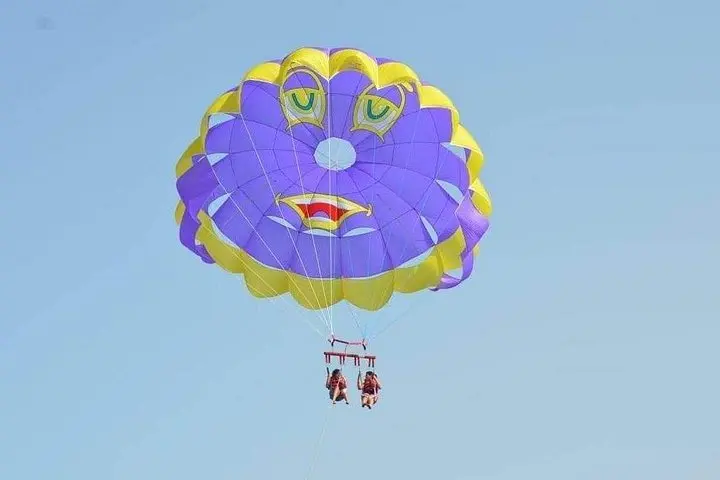
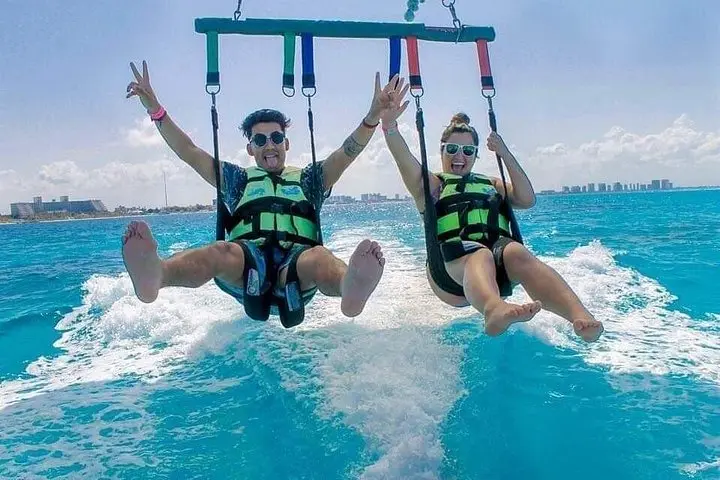
You step off the marina dock and the sea pulls at your shoes—salt and heat rising as the captain thumbs the throttle. Within minutes the boat slips past low reef crowns and the shore hotels shrink into a horizontal line. When the harness catches and the parachute fills, you're lifted gently, the coastline becoming a narrow ribbon and the Red Sea opening like a daring blue beneath you.
You step off the marina dock and the sea pulls at your shoes—salt and heat rising as the captain thumbs the throttle. Within minutes the boat slips past low reef crowns and the shore hotels shrink into a horizontal line. When the harness catches and the parachute fills, you're lifted gently, the coastline becoming a narrow ribbon and the Red Sea opening like a daring blue beneath you.
Hurghada transformed from a quiet fishing village into an international resort in the late 20th century, its coastline now ringed with marinas and dive sites. The underlying geology is limestone and reef structures shaped by millennia of coral growth; from the air you read those formations as pale ribbons and darker lagoons. Local culture still carries traces of Bedouin and Egyptian maritime life, with fishermen and boat crews who know the currents and seasonal winds by instinct.
Practically, sessions run about an hour including transfers, with 7–10 minutes airborne up to roughly 40–50 meters. No previous training or fitness is required; crew handle harnessing, winching, and safety briefings. Expect moderate sun, reflective glare from the water, and occasional spray as the boat cuts waves. Weight and health restrictions can apply; operators typically require booking details and may refuse participants with serious back, heart, or pregnancy conditions.
Timing matters: early morning or late afternoon offers calmer seas and softer light. Bring a snug pair of sunglasses, reef-safe sunscreen, and a secure place for your phone or camera. Respect reef zones—avoid throwing gear overboard and follow crew directions to protect the underwater life that makes Hurghada worth seeing from both below and above.