THE ADVENTURE COLLECTIVE® · Independent discovery and booking for outdoor travel

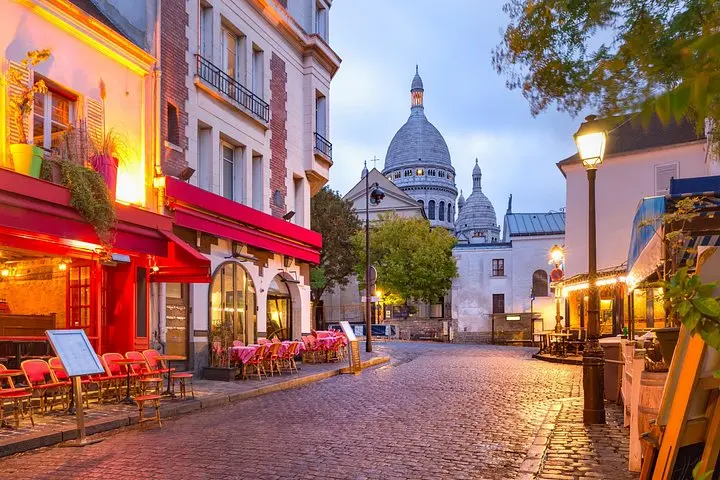
Taste your way up Montmartre on a 2.5-hour guided walking tour that pairs cinema-famous cafés with artisan chocolatiers and classic crêperies. Learn culinary stories behind Paris’s desserts while navigating cobbled streets and hilltop views.
Taste your way up Montmartre on a 2.5-hour guided walking tour that pairs cinema-famous cafés with artisan chocolatiers and classic crêperies. Learn culinary stories behind Paris’s desserts while navigating cobbled streets and hilltop views.
You meet outside the crimson sails of the Moulin Rouge; the street smells faintly of fried dough and espresso, and the guide already holds a paper bag warm with a just-baked chouquette.
Verified experiences and guided adventures in the surrounding area.
Operated by LetzGo City Tours · Paris, Île-de-France
You meet outside the crimson sails of the Moulin Rouge; the street smells faintly of fried dough and espresso, and the guide already holds a paper bag warm with a just-baked chouquette.
This 2½-hour walking tour threads through Montmartre’s steep lanes, where art‑school studios and cabaret history press close to modern pâtisseries. Montmartre rose from rural hamlet to bohemian quarter in the 19th century, hosting the Bateau-Lavoir and artists like Picasso and Modigliani. Geology here is simple—Parisian limestone underfoot gives way to narrow cobbles and abrupt staircases—so the district’s slope shapes every café and viewpoint, most famously the steps up to Sacré‑Cœur.
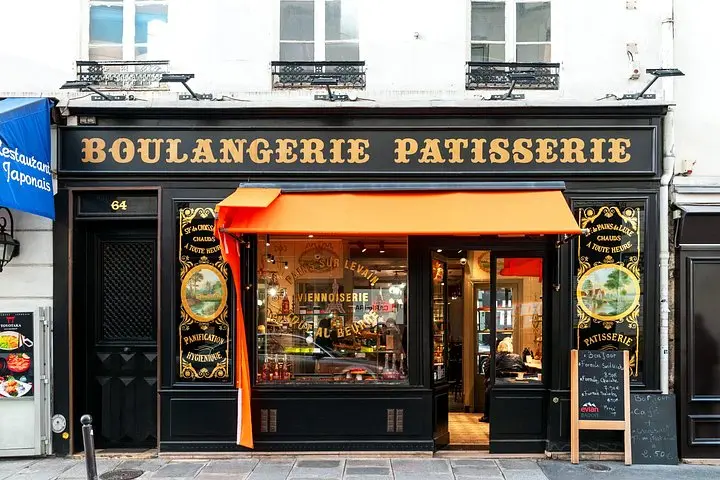
Culturally, the route is as much about taste as tale: stops range from the Café des 2 Moulins (famed in Amélie) to artisan chocolate ateliers and a classic crêperie. Expect demonstrations of chocolate work, fresh caramel‑filled chouquettes, and the theatrical crack of a brûlée torched tableside. The guide ties recipes to local history—how pâtissiers refined techniques alongside Parisian cafés and film lore—and points out quieter corners like Picasso’s former studio.
Practical guidance: wear grippy shoes for cobbles and stairs, bring a small bottle of water and a light jacket—pastries are best enjoyed slowly between stops. Portions are sampling size but rich; avoid heavy meals beforehand. If you have allergies or dietary restrictions the tour is not suitable. Plan to start in the morning to avoid the busiest café hours and give yourself time afterwards to linger at a favourite bakery.
The tour is approximately 2.5 hours with several short walks between five tasting stops and some stair climbs up Montmartre’s slopes.
Yes — the tour includes sample-sized desserts at multiple bakeries, a chocolate demonstration, and a crêpe finale as described in the itinerary.
This tour is not suitable for most special diets or severe food allergies; contact the operator before booking to discuss options.
Guests meet outside the Moulin Rouge; the tour finishes with a short walk and time to explore the Sacré‑Cœur square independently afterward.
LetzGo City Tours operates guided outdoor trips and adventures with an emphasis on safety, stewardship, and memorable experiences.
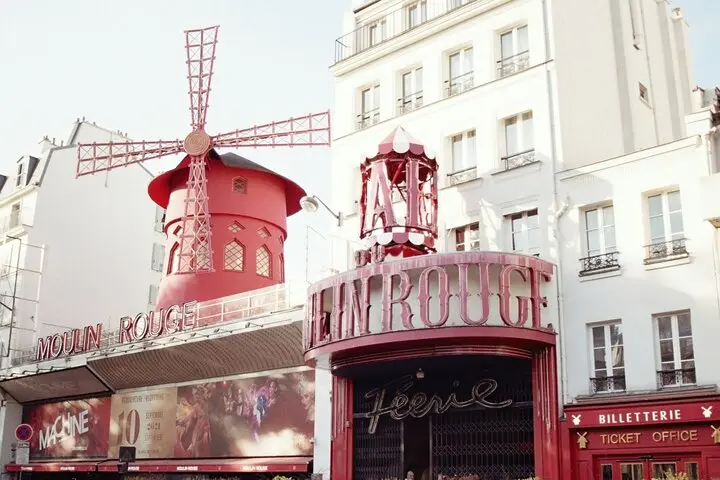
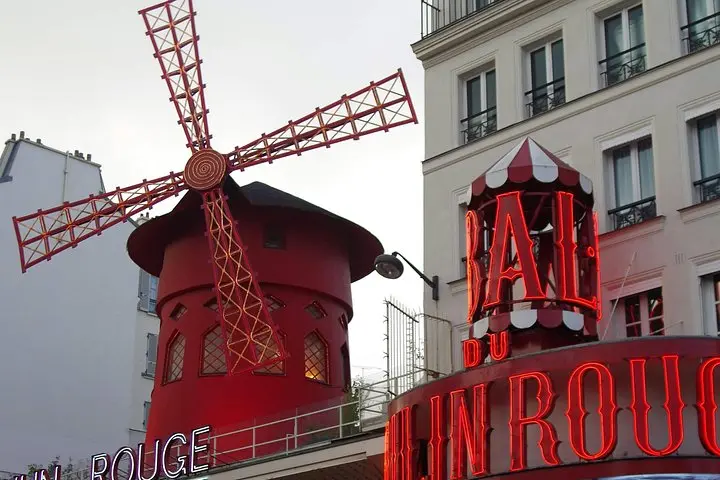
You meet outside the crimson sails of the Moulin Rouge; the street smells faintly of fried dough and espresso, and the guide already holds a paper bag warm with a just-baked chouquette.
You meet outside the crimson sails of the Moulin Rouge; the street smells faintly of fried dough and espresso, and the guide already holds a paper bag warm with a just-baked chouquette.
This 2½-hour walking tour threads through Montmartre’s steep lanes, where art‑school studios and cabaret history press close to modern pâtisseries. Montmartre rose from rural hamlet to bohemian quarter in the 19th century, hosting the Bateau-Lavoir and artists like Picasso and Modigliani. Geology here is simple—Parisian limestone underfoot gives way to narrow cobbles and abrupt staircases—so the district’s slope shapes every café and viewpoint, most famously the steps up to Sacré‑Cœur.
Culturally, the route is as much about taste as tale: stops range from the Café des 2 Moulins (famed in Amélie) to artisan chocolate ateliers and a classic crêperie. Expect demonstrations of chocolate work, fresh caramel‑filled chouquettes, and the theatrical crack of a brûlée torched tableside. The guide ties recipes to local history—how pâtissiers refined techniques alongside Parisian cafés and film lore—and points out quieter corners like Picasso’s former studio.
Practical guidance: wear grippy shoes for cobbles and stairs, bring a small bottle of water and a light jacket—pastries are best enjoyed slowly between stops. Portions are sampling size but rich; avoid heavy meals beforehand. If you have allergies or dietary restrictions the tour is not suitable. Plan to start in the morning to avoid the busiest café hours and give yourself time afterwards to linger at a favourite bakery.