THE ADVENTURE COLLECTIVE® · Independent discovery and booking for outdoor travel

See Paris’s signature landmarks in a brisk, private three‑hour walk from the Louvre to the Eiffel Tower. This guided route mixes art, Revolutionary history and classic Parisian streets—ideal for first‑time visitors who want context and efficient navigation.
See Paris’s signature landmarks in a brisk, private three‑hour walk from the Louvre to the Eiffel Tower. This guided route mixes art, Revolutionary history and classic Parisian streets—ideal for first‑time visitors who want context and efficient navigation.
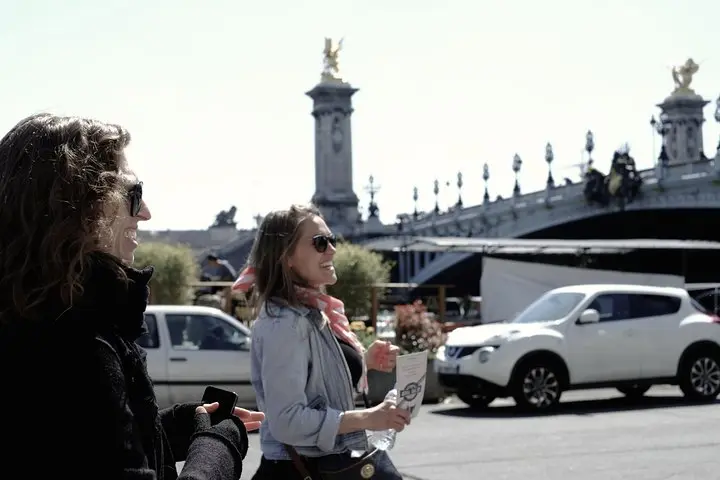
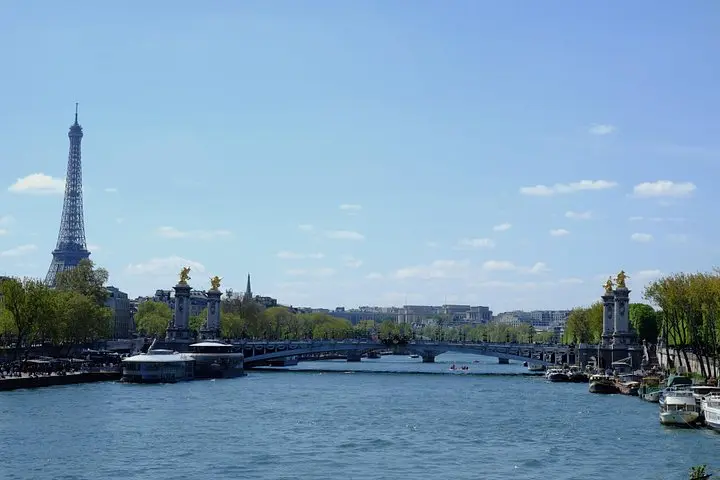
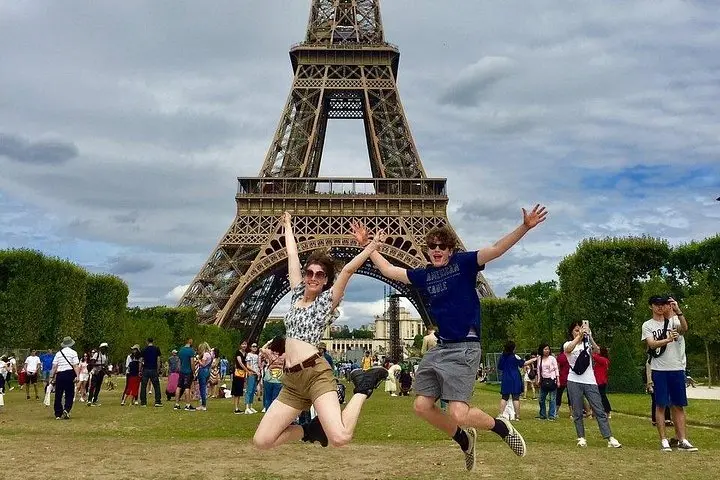
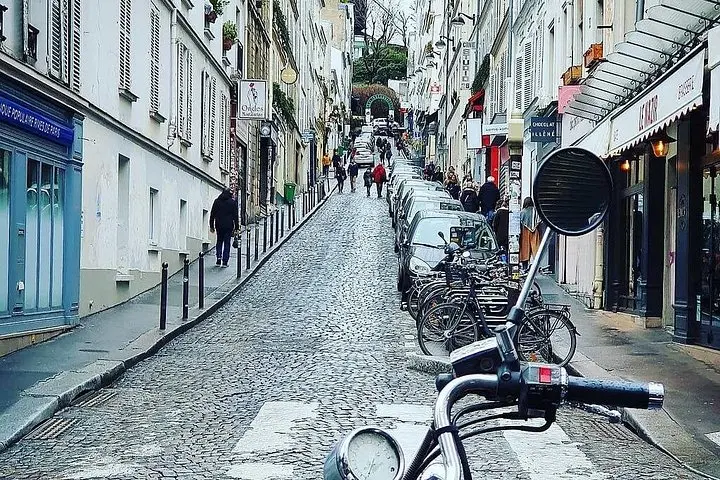
You step out of the Louvre-Rivoli metro into a corridor of stone and history: tourists arranging maps, café steam, and the glass pyramid catching a pale Paris light. Your guide sketches the route—the Tuileries’ clipped trees, Place de la Concorde’s obelisk, the golden arches of Alexandre III, a quick sweep down the Champs-Élysées and a final arrival at the Trocadéro or under the Eiffel Tower—each stop a pulse in the city.
Verified experiences and guided adventures in the surrounding area.
Operated by April in Paris Tours · Paris, Île-de-France
You step out of the Louvre-Rivoli metro into a corridor of stone and history: tourists arranging maps, café steam, and the glass pyramid catching a pale Paris light. Your guide sketches the route—the Tuileries’ clipped trees, Place de la Concorde’s obelisk, the golden arches of Alexandre III, a quick sweep down the Champs-Élysées and a final arrival at the Trocadéro or under the Eiffel Tower—each stop a pulse in the city.
The itinerary threads centuries: medieval Île de la Cité gave way to Haussmann boulevards; the Louvre began as a fortress and now houses world art. Place de la Concorde still remembers Revolutionary drama where the guillotine once stood, while the Alexandre III Bridge is an ornate showcase of Beaux-Arts engineering. Geologically, Paris sits on the Paris Basin’s limestone, quarried to build the city’s pale façades—look for the fossilized shells in older masonry.
This private, three-hour walk is practical: expect paved city streets, frequent crossings and short stretches of standing while listening. The pace is gentle but continuous—comfortable for most travelers. Guides point out restaurants, reservation tips, and quick-access viewpoints for photos. Bring a light rain layer and comfortable shoes; a mid-morning or late-afternoon start reduces crowds at the Louvre approach and yields softer light at the Eiffel. Watch for pickpockets in busy plazas and keep belongings zipped when you cross the Champs-Élysées.
By the end you’ll understand how Paris layers its eras across a few kilometers—art and revolution, river and ironwork—ready to explore further or sit at a nearby café and watch the city move on.
Meet outside the Louvre‑Rivoli metro entrance near the glass pyramid; your booking confirmation will include a detailed meeting spot and contact number.
This itinerary views the Louvre from outside and provides historical context; museum admission is not included and would require extra time and tickets.
Yes—most central Paris routes and the listed meeting points are wheelchair accessible, but contact the provider with specific needs to confirm arrangements.
Private tours are commonly available in multiple languages; confirm your preferred language at booking so the guide can be arranged accordingly.
April in Paris Tours operates guided outdoor trips and adventures with an emphasis on safety, stewardship, and memorable experiences.
You step out of the Louvre-Rivoli metro into a corridor of stone and history: tourists arranging maps, café steam, and the glass pyramid catching a pale Paris light. Your guide sketches the route—the Tuileries’ clipped trees, Place de la Concorde’s obelisk, the golden arches of Alexandre III, a quick sweep down the Champs-Élysées and a final arrival at the Trocadéro or under the Eiffel Tower—each stop a pulse in the city.
You step out of the Louvre-Rivoli metro into a corridor of stone and history: tourists arranging maps, café steam, and the glass pyramid catching a pale Paris light. Your guide sketches the route—the Tuileries’ clipped trees, Place de la Concorde’s obelisk, the golden arches of Alexandre III, a quick sweep down the Champs-Élysées and a final arrival at the Trocadéro or under the Eiffel Tower—each stop a pulse in the city.
The itinerary threads centuries: medieval Île de la Cité gave way to Haussmann boulevards; the Louvre began as a fortress and now houses world art. Place de la Concorde still remembers Revolutionary drama where the guillotine once stood, while the Alexandre III Bridge is an ornate showcase of Beaux-Arts engineering. Geologically, Paris sits on the Paris Basin’s limestone, quarried to build the city’s pale façades—look for the fossilized shells in older masonry.
This private, three-hour walk is practical: expect paved city streets, frequent crossings and short stretches of standing while listening. The pace is gentle but continuous—comfortable for most travelers. Guides point out restaurants, reservation tips, and quick-access viewpoints for photos. Bring a light rain layer and comfortable shoes; a mid-morning or late-afternoon start reduces crowds at the Louvre approach and yields softer light at the Eiffel. Watch for pickpockets in busy plazas and keep belongings zipped when you cross the Champs-Élysées.
By the end you’ll understand how Paris layers its eras across a few kilometers—art and revolution, river and ironwork—ready to explore further or sit at a nearby café and watch the city move on.