THE ADVENTURE COLLECTIVE® · Independent discovery and booking for outdoor travel

Skip the queues and see the Mona Lisa, Venus de Milo and Impressionist giants with a private guide. This 5–6 hour day tour links the Louvre and Musée d’Orsay with focused commentary and practical pacing for first-time and repeat visitors alike.
Skip the queues and see the Mona Lisa, Venus de Milo and Impressionist giants with a private guide. This 5–6 hour day tour links the Louvre and Musée d’Orsay with focused commentary and practical pacing for first-time and repeat visitors alike.
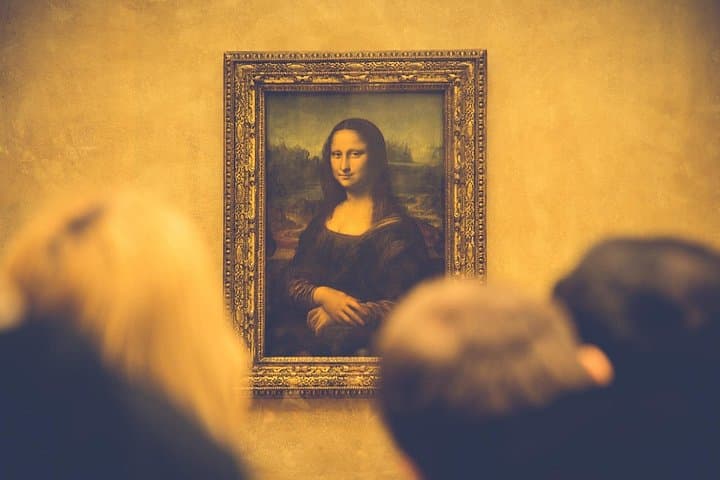
You step out of a Paris morning into a corridor of glass and stone — the Carrousel entrance hums with tourists and the faint echo of footsteps. Your private guide leads the group past the lines, into galleries where light rests on varnish and paint. In the Louvre an intimate two-hour sweep visits the Mona Lisa, Venus de Milo and The Raft of the Medusa, each painting and sculpture accompanied by context that pulls the works back into their original eras.
Verified experiences and guided adventures in the surrounding area.
Operated by Meeting the French · Paris, Île-de-France
You step out of a Paris morning into a corridor of glass and stone — the Carrousel entrance hums with tourists and the faint echo of footsteps. Your private guide leads the group past the lines, into galleries where light rests on varnish and paint. In the Louvre an intimate two-hour sweep visits the Mona Lisa, Venus de Milo and The Raft of the Medusa, each painting and sculpture accompanied by context that pulls the works back into their original eras.
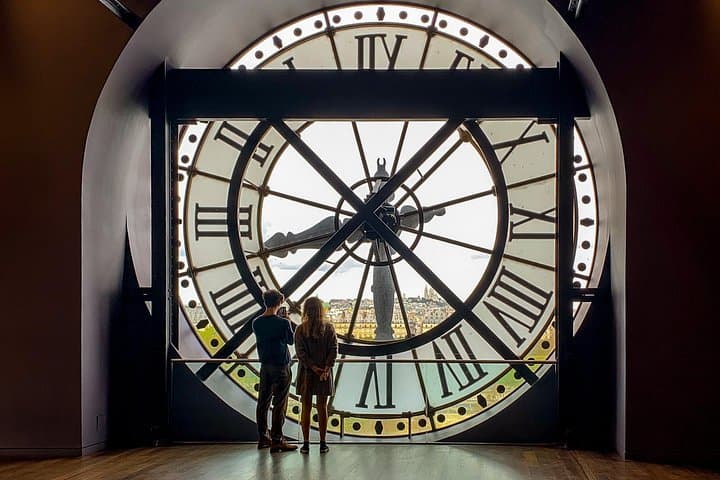
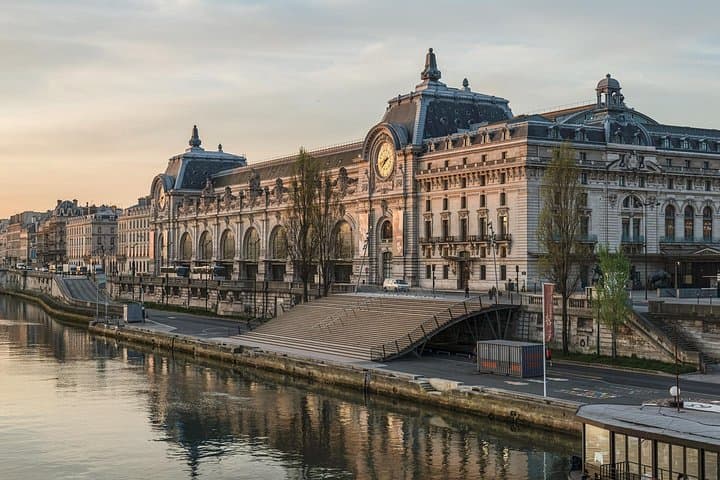
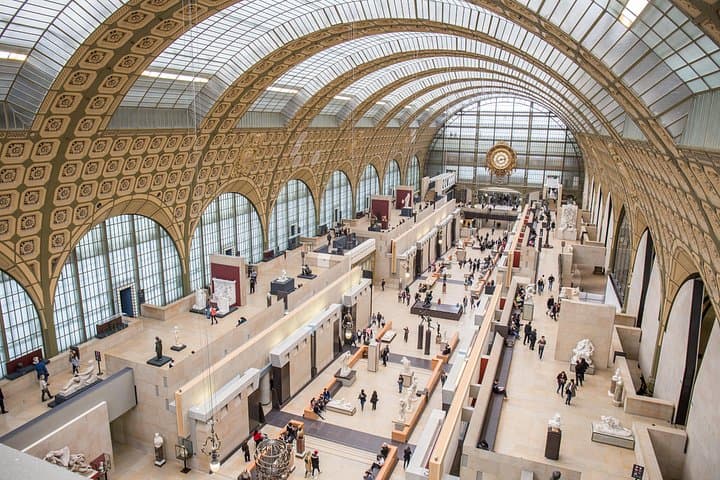
These museums are chapters of Paris itself: the Louvre began as a medieval fortress then royal palace, opening as a public museum in 1793, while the Musée d’Orsay transformed a Beaux-Arts train station into a repository for 19th-century modernism in 1986. Architecture matters here — vaulted corridors, cast-iron galleries, and the Orsay’s clock face framing the Seine. Cultural currents from revolution, industrialization and Impressionism flow through the collections; your guide connects politics, technique and biography so artworks feel like actors on a stage.
Practically, expect five to six hours of walking and standing, with a 10–15 minute walk between museums. The skip-the-line access saves time, but peak-season crowds still affect sightlines. Bring water, shoes that grip on marble floors, and plan for pockets of seating to rest between halls. Photography rules vary by gallery; follow your guide’s instructions. Aim for a morning start to catch cooler galleries and softer light on paintings, and leave a little free time to sip espresso by the Seine after the tour.
Yes—pre-booked, timed-entry tickets allow priority entry to both museums, though internal crowding at famous works can still occur.
Groups typically meet at your central Paris hotel or a specified location near the Carrousel du Louvre; confirm the exact point when booking.
Free admission to the Louvre applies to visitors under 18 and EEA residents under 26 with valid ID; confirm eligibility and bring documentation.
Both museums have accessibility options and elevators, but notify the operator of mobility requirements when booking to arrange the best route.
Meeting the French operates guided outdoor trips and adventures with an emphasis on safety, stewardship, and memorable experiences.
You step out of a Paris morning into a corridor of glass and stone — the Carrousel entrance hums with tourists and the faint echo of footsteps. Your private guide leads the group past the lines, into galleries where light rests on varnish and paint. In the Louvre an intimate two-hour sweep visits the Mona Lisa, Venus de Milo and The Raft of the Medusa, each painting and sculpture accompanied by context that pulls the works back into their original eras.
You step out of a Paris morning into a corridor of glass and stone — the Carrousel entrance hums with tourists and the faint echo of footsteps. Your private guide leads the group past the lines, into galleries where light rests on varnish and paint. In the Louvre an intimate two-hour sweep visits the Mona Lisa, Venus de Milo and The Raft of the Medusa, each painting and sculpture accompanied by context that pulls the works back into their original eras.
These museums are chapters of Paris itself: the Louvre began as a medieval fortress then royal palace, opening as a public museum in 1793, while the Musée d’Orsay transformed a Beaux-Arts train station into a repository for 19th-century modernism in 1986. Architecture matters here — vaulted corridors, cast-iron galleries, and the Orsay’s clock face framing the Seine. Cultural currents from revolution, industrialization and Impressionism flow through the collections; your guide connects politics, technique and biography so artworks feel like actors on a stage.
Practically, expect five to six hours of walking and standing, with a 10–15 minute walk between museums. The skip-the-line access saves time, but peak-season crowds still affect sightlines. Bring water, shoes that grip on marble floors, and plan for pockets of seating to rest between halls. Photography rules vary by gallery; follow your guide’s instructions. Aim for a morning start to catch cooler galleries and softer light on paintings, and leave a little free time to sip espresso by the Seine after the tour.