THE ADVENTURE COLLECTIVE® · Independent discovery and booking for outdoor travel

Explore the Muséum national d'Histoire naturelle and the Jardins' Grandes Serres with a single ticket. This guide highlights what to see—giant squid, fossil halls, and tropical greenhouses—and practical tips for planning a 2–5 hour visit.
Explore the Muséum national d'Histoire naturelle and the Jardins' Grandes Serres with a single ticket. This guide highlights what to see—giant squid, fossil halls, and tropical greenhouses—and practical tips for planning a 2–5 hour visit.
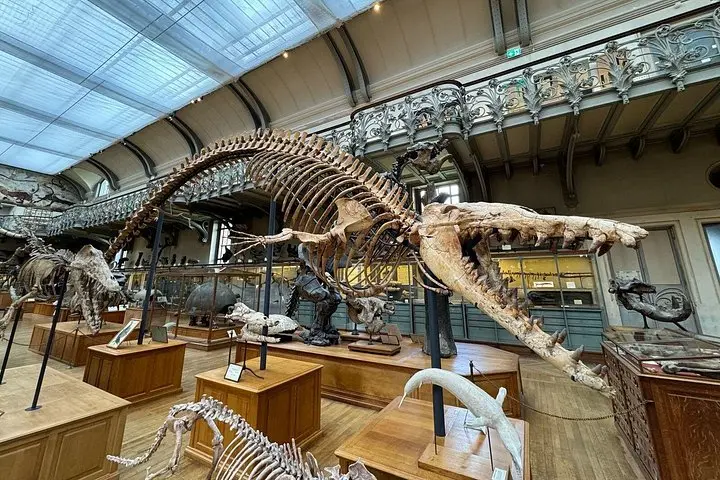
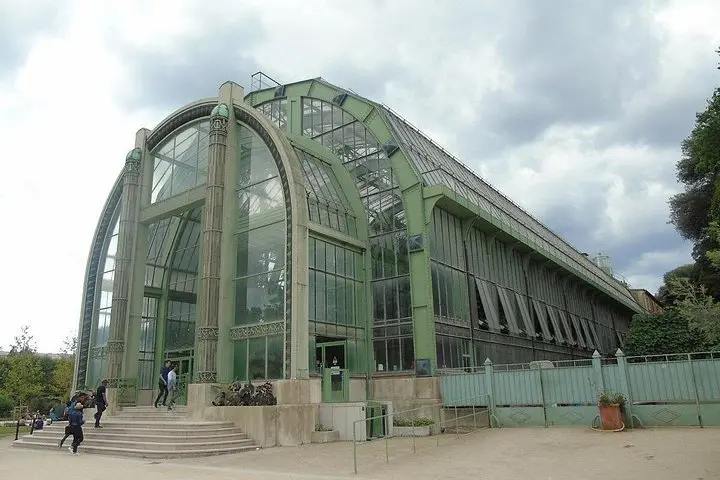
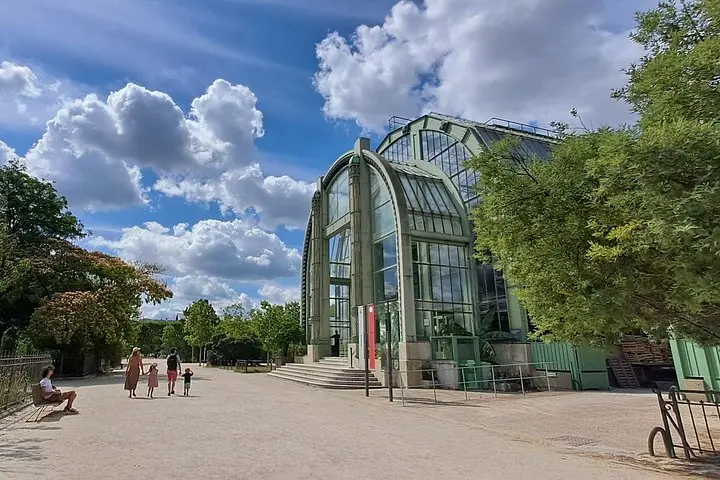
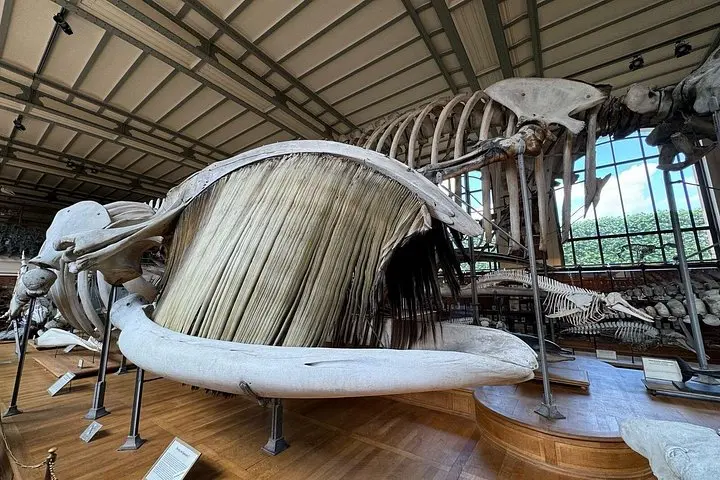
You step through an art-deco peristyle and the noise of the street gives way to vaulted halls and a hush that feels like a study room for the planet. Light streams across display cases of mounted elephants and the giant squid’s tentacles seem to reach for anyone moving beneath them; outside, glass greenhouses breathe warm, humid air thick with banana leaves and orchids.
Verified experiences and guided adventures in the surrounding area.
Operated by Binge Tours · Paris, Ile-de-France
You step through an art-deco peristyle and the noise of the street gives way to vaulted halls and a hush that feels like a study room for the planet. Light streams across display cases of mounted elephants and the giant squid’s tentacles seem to reach for anyone moving beneath them; outside, glass greenhouses breathe warm, humid air thick with banana leaves and orchids.
The Muséum national d'Histoire naturelle grew out of royal medicinal gardens in the 17th century and became a public scientific institution during the French Revolution. Geologically the galleries trace life from deep time—fossils and skeletons chart evolutionary change—while the Jardins' Grandes Serres recreate tropical microclimates and highlight plant biogeography from Africa to Southeast Asia.
Culturally this is a Parisian institution where science, colonial-era collections, and modern conservation collide; expect thoughtful labels and historical context alongside striking specimens. Local insight: visit early or late in the afternoon to avoid school groups and allow time for the greenhouses' stepped terraces and the small Alpine garden tucked on a slope.
Practical guidance: tickets cover entry to the Grande Galerie and optionally the greenhouses—plan 2–5 hours depending on interest. Wear comfortable shoes for standing and moving between indoor halls and outdoor gardens; humidity in the Grandes Serres can surprise. Photography without flash is usually allowed; check current rules at the entrance. Amenities include a small café and restrooms, but bring a refillable water bottle for longer visits. The site is accessible by multiple metro lines and fits easily into a half-day of nature-focused sightseeing in Paris.
Some ticket options include entry to the Grandes Serres; check the specific option when booking and confirm at the entrance if greenhouse access is seasonal or restricted.
Allow 2–5 hours depending on whether you visit both the Grande Galerie de l'Évolution and the greenhouses; dedicated naturalists may stay longer.
The site has accessibility accommodations, but some historical galleries and greenhouses include stairs—ask staff at arrival for the best accessible route.
Eating is generally limited to designated café areas; avoid consuming food near collections or in greenhouse spaces to protect living exhibits.
Binge Tours operates guided outdoor trips and adventures with an emphasis on safety, stewardship, and memorable experiences.
You step through an art-deco peristyle and the noise of the street gives way to vaulted halls and a hush that feels like a study room for the planet. Light streams across display cases of mounted elephants and the giant squid’s tentacles seem to reach for anyone moving beneath them; outside, glass greenhouses breathe warm, humid air thick with banana leaves and orchids.
You step through an art-deco peristyle and the noise of the street gives way to vaulted halls and a hush that feels like a study room for the planet. Light streams across display cases of mounted elephants and the giant squid’s tentacles seem to reach for anyone moving beneath them; outside, glass greenhouses breathe warm, humid air thick with banana leaves and orchids.
The Muséum national d'Histoire naturelle grew out of royal medicinal gardens in the 17th century and became a public scientific institution during the French Revolution. Geologically the galleries trace life from deep time—fossils and skeletons chart evolutionary change—while the Jardins' Grandes Serres recreate tropical microclimates and highlight plant biogeography from Africa to Southeast Asia.
Culturally this is a Parisian institution where science, colonial-era collections, and modern conservation collide; expect thoughtful labels and historical context alongside striking specimens. Local insight: visit early or late in the afternoon to avoid school groups and allow time for the greenhouses' stepped terraces and the small Alpine garden tucked on a slope.
Practical guidance: tickets cover entry to the Grande Galerie and optionally the greenhouses—plan 2–5 hours depending on interest. Wear comfortable shoes for standing and moving between indoor halls and outdoor gardens; humidity in the Grandes Serres can surprise. Photography without flash is usually allowed; check current rules at the entrance. Amenities include a small café and restrooms, but bring a refillable water bottle for longer visits. The site is accessible by multiple metro lines and fits easily into a half-day of nature-focused sightseeing in Paris.