THE ADVENTURE COLLECTIVE® · Independent discovery and booking for outdoor travel

Explore two of Nepal's major Shiva temples on a private half-day darshan from Kathmandu. Visit Pashupatinath's riverside ghats and the elevated Doleshwor Mahadev shrine while a local guide explains rituals, history, and etiquette.
Explore two of Nepal's major Shiva temples on a private half-day darshan from Kathmandu. Visit Pashupatinath's riverside ghats and the elevated Doleshwor Mahadev shrine while a local guide explains rituals, history, and etiquette.
The city hums before dawn: prayer bells, vendors arranging marigolds, and the Bagmati River edging the eastern flank of Pashupatinath, daring you to watch rituals unfold. A private car eases through narrow lanes and the air fills with incense as the guide leads you across stone courtyards to silver-gilded roofs and carved wooden struts.
Verified experiences and guided adventures in the surrounding area.
Operated by Couch Adventure Nepal (CAN) · Kathmandu, Bagmati Province
The city hums before dawn: prayer bells, vendors arranging marigolds, and the Bagmati River edging the eastern flank of Pashupatinath, daring you to watch rituals unfold. A private car eases through narrow lanes and the air fills with incense as the guide leads you across stone courtyards to silver-gilded roofs and carved wooden struts.
Pashupatinath is one of Nepal's oldest and most important Shiva shrines, its history layered across centuries and recognized as a UNESCO World Heritage site. The complex sits on a fluvial terrace sculpted by the Bagmati; terraces, cremation ghats and temples map social and geological interactions between river and city. Doleshwor Mahadev, northeast of central Kathmandu, is an ancient Shiva site with large lingam rock features and panoramic views toward the Kathmandu Valley rim—good context for understanding regional devotees' routes and rituals.
Expect close-up views of ritual life: priests performing aarti, saffron-anointed statues, and the rhythms of offerings. Photography is common but regulated; respectful distance around worshippers and cremation ghats preserves both etiquette and safety. The tour duration is about 4–5 hours including hotel pickup and drop-off, with short walks on paved and uneven temple grounds.
Practical guidance: dress modestly (shoulders and knees covered), carry cash for small offerings, and wear comfortable shoes for cobbled steps. Mornings are cooler and less crowded; late afternoons bring golden light but more activity. The guide will handle permits and navigation; visitors should follow instructions inside the sanctum areas. This is an accessible cultural half-day that pairs historical depth with immediate, sensory experiences of contemporary Hindu devotion.
Non-Hindu visitors may need to pay a modest entry fee at certain gates; your guide will inform you of access rules and where photography is allowed.
The operator lists the experience as wheelchair accessible, but note that temple grounds include steps and uneven surfaces—confirm specific needs when booking.
Yes, cremation ghats are visible from public viewpoints; however, approach respectfully, follow your guide’s instructions, and avoid photographing mourners without permission.
The tour includes an English-speaking guide; ask for other language options when arranging your booking.
Couch Adventure Nepal (CAN) operates guided outdoor trips and adventures with an emphasis on safety, stewardship, and memorable experiences.
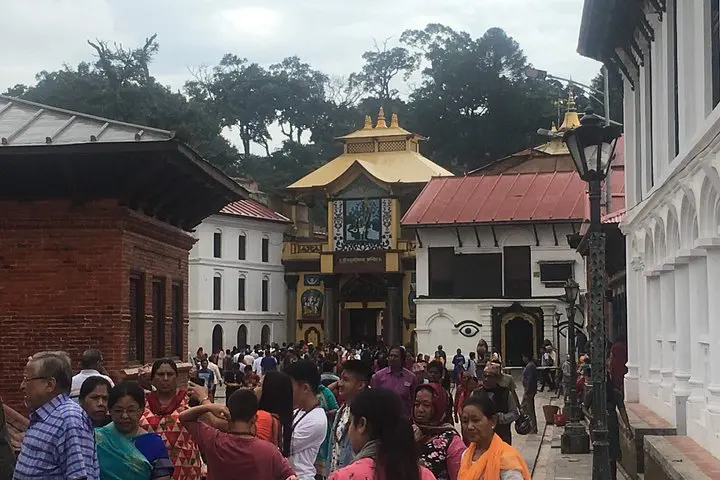
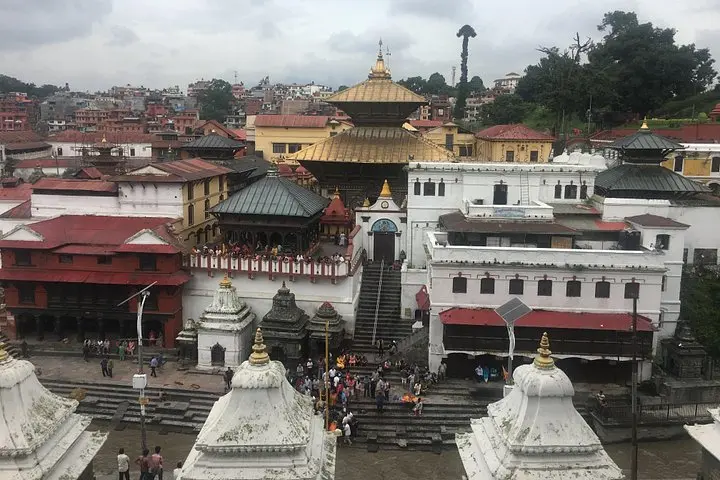
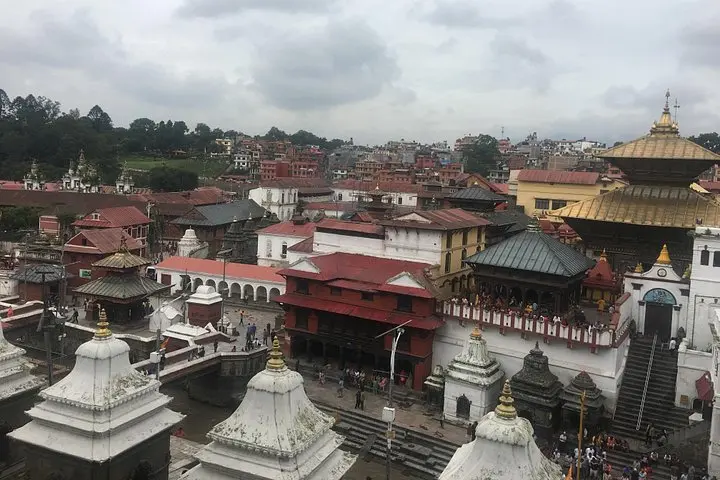
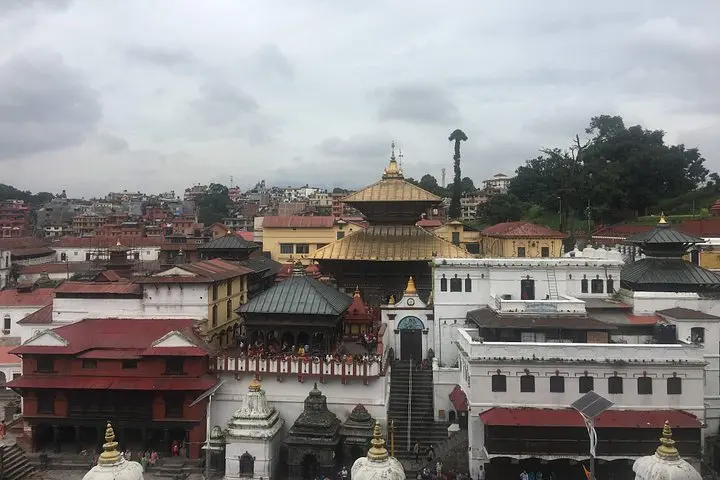
The city hums before dawn: prayer bells, vendors arranging marigolds, and the Bagmati River edging the eastern flank of Pashupatinath, daring you to watch rituals unfold. A private car eases through narrow lanes and the air fills with incense as the guide leads you across stone courtyards to silver-gilded roofs and carved wooden struts.
The city hums before dawn: prayer bells, vendors arranging marigolds, and the Bagmati River edging the eastern flank of Pashupatinath, daring you to watch rituals unfold. A private car eases through narrow lanes and the air fills with incense as the guide leads you across stone courtyards to silver-gilded roofs and carved wooden struts.
Pashupatinath is one of Nepal's oldest and most important Shiva shrines, its history layered across centuries and recognized as a UNESCO World Heritage site. The complex sits on a fluvial terrace sculpted by the Bagmati; terraces, cremation ghats and temples map social and geological interactions between river and city. Doleshwor Mahadev, northeast of central Kathmandu, is an ancient Shiva site with large lingam rock features and panoramic views toward the Kathmandu Valley rim—good context for understanding regional devotees' routes and rituals.
Expect close-up views of ritual life: priests performing aarti, saffron-anointed statues, and the rhythms of offerings. Photography is common but regulated; respectful distance around worshippers and cremation ghats preserves both etiquette and safety. The tour duration is about 4–5 hours including hotel pickup and drop-off, with short walks on paved and uneven temple grounds.
Practical guidance: dress modestly (shoulders and knees covered), carry cash for small offerings, and wear comfortable shoes for cobbled steps. Mornings are cooler and less crowded; late afternoons bring golden light but more activity. The guide will handle permits and navigation; visitors should follow instructions inside the sanctum areas. This is an accessible cultural half-day that pairs historical depth with immediate, sensory experiences of contemporary Hindu devotion.