THE ADVENTURE COLLECTIVE® · Independent discovery and booking for outdoor travel

Witness a deeply rooted Hindu practice at Pashupatinath Temple where cremation rites along the Bagmati River remain an active, public ritual. This 3–4 hour cultural tour guides visitors through religious protocol, history, and practical etiquette for respectful observation.
Witness a deeply rooted Hindu practice at Pashupatinath Temple where cremation rites along the Bagmati River remain an active, public ritual. This 3–4 hour cultural tour guides visitors through religious protocol, history, and practical etiquette for respectful observation.
A morning on the Bagmati River begins with the low cadence of ritual chants and the subtle scent of incense and smoke. Walk the stone steps above the ghats and you’ll see pyres stacked along the riverbank, the current daring grief and ash to move downstream. The setting is immediate and unsparing: this is a working cremation ground at Pashupatinath, one of Nepal’s most important Hindu temple complexes and a UNESCO World Heritage site.
Verified experiences and guided adventures in the surrounding area.
Operated by Himalayan Smile Treks and Adventure Pvt. Ltd · Kathmandu, Bagmati Province
A morning on the Bagmati River begins with the low cadence of ritual chants and the subtle scent of incense and smoke. Walk the stone steps above the ghats and you’ll see pyres stacked along the riverbank, the current daring grief and ash to move downstream. The setting is immediate and unsparing: this is a working cremation ground at Pashupatinath, one of Nepal’s most important Hindu temple complexes and a UNESCO World Heritage site.
Pashupatinath’s wooden pagoda and riverside ghats sit where the Bagmati cuts through Kathmandu’s eastern edge. The site’s religious significance is tied to Hindu beliefs in karma and rebirth—cremation here is thought to aid the soul’s onward journey. Locals follow strict mourning practices for twelve days after a death, with rituals and a final puja led by a priest on day twelve.
Visiting is primarily a cultural, not recreational, experience. Expect deliberate crowds of family members, priests, and onlookers; photo etiquette matters and some inner temple zones are restricted to Hindus. The terrain is urban stone steps and narrow alleyways—easy on paper but uneven underfoot.
Practical guidance: plan 3–4 hours, arrive in the cooler morning hours for clearer viewing and quieter streets, wear modest clothing (cover shoulders and legs), and leave leather items if you are part of a family ritual. Bring water, a respectful attitude, and patience for tight spaces. Guides can explain symbolism and protocol and help you move respectfully through the complex. This visit is an intense cultural encounter—observe closely, speak softly, and let the river carry what you cannot carry yourself.
Non-Hindus can visit the temple complex and view the ghats, but inner sanctum access is typically restricted to Hindus; expect designated viewpoints for visitors.
Photography is sensitive—always ask permission before photographing people or rituals, and obey posted restrictions in certain zones.
The site involves open flames, smoke, and uneven terrain; those with heart or back problems, and pregnant visitors, should exercise caution; follow local advice and tour operator guidance.
Be quiet, avoid touching mourners or ritual objects, follow guide directions, and refrain from celebratory or loud behavior—this is a solemn family ceremony.
Himalayan Smile Treks and Adventure Pvt. Ltd operates guided outdoor trips and adventures with an emphasis on safety, stewardship, and memorable experiences.
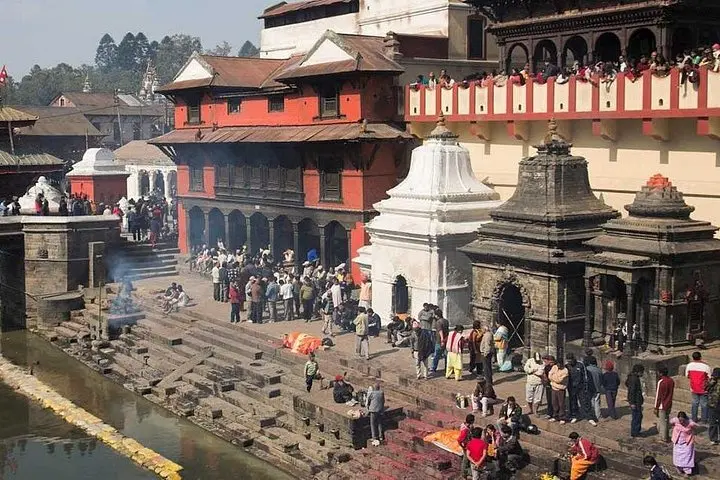
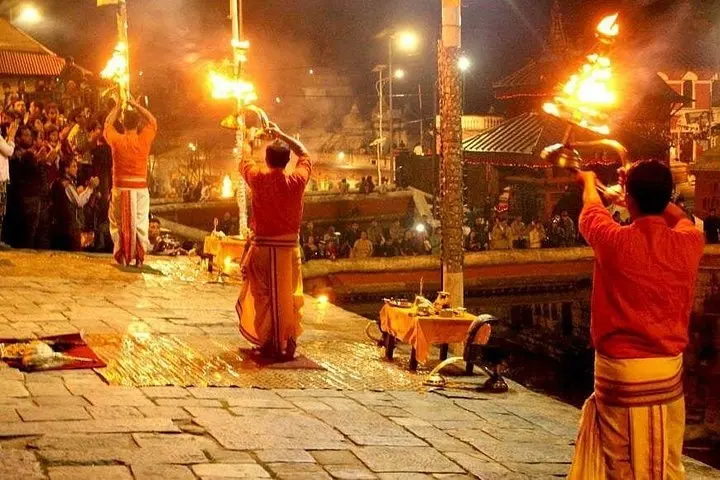
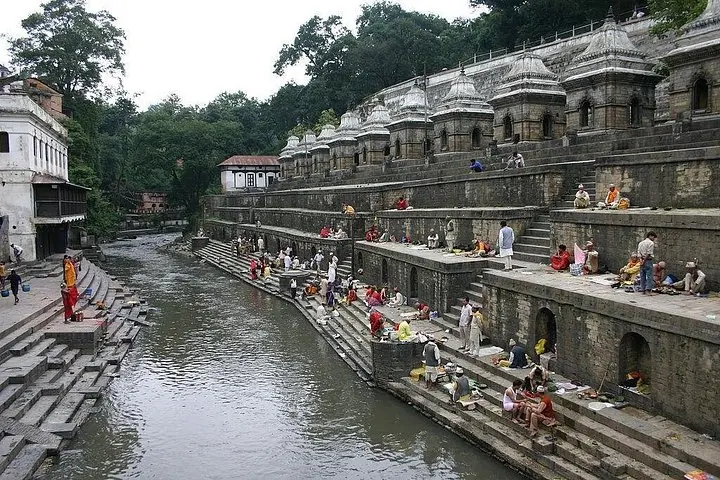
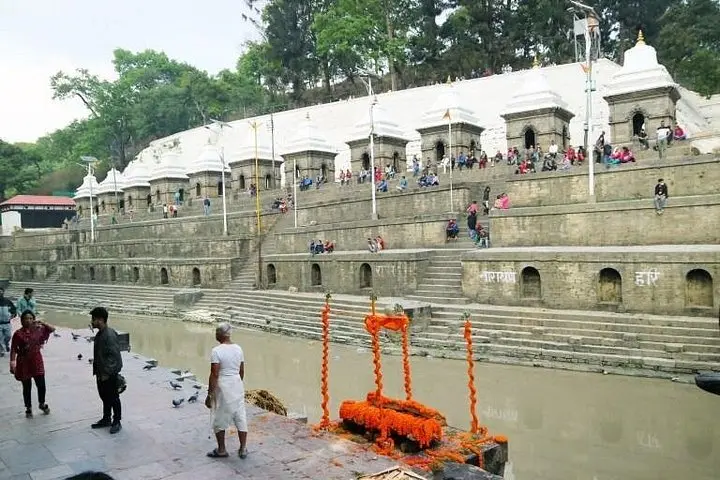
A morning on the Bagmati River begins with the low cadence of ritual chants and the subtle scent of incense and smoke. Walk the stone steps above the ghats and you’ll see pyres stacked along the riverbank, the current daring grief and ash to move downstream. The setting is immediate and unsparing: this is a working cremation ground at Pashupatinath, one of Nepal’s most important Hindu temple complexes and a UNESCO World Heritage site.
A morning on the Bagmati River begins with the low cadence of ritual chants and the subtle scent of incense and smoke. Walk the stone steps above the ghats and you’ll see pyres stacked along the riverbank, the current daring grief and ash to move downstream. The setting is immediate and unsparing: this is a working cremation ground at Pashupatinath, one of Nepal’s most important Hindu temple complexes and a UNESCO World Heritage site.
Pashupatinath’s wooden pagoda and riverside ghats sit where the Bagmati cuts through Kathmandu’s eastern edge. The site’s religious significance is tied to Hindu beliefs in karma and rebirth—cremation here is thought to aid the soul’s onward journey. Locals follow strict mourning practices for twelve days after a death, with rituals and a final puja led by a priest on day twelve.
Visiting is primarily a cultural, not recreational, experience. Expect deliberate crowds of family members, priests, and onlookers; photo etiquette matters and some inner temple zones are restricted to Hindus. The terrain is urban stone steps and narrow alleyways—easy on paper but uneven underfoot.
Practical guidance: plan 3–4 hours, arrive in the cooler morning hours for clearer viewing and quieter streets, wear modest clothing (cover shoulders and legs), and leave leather items if you are part of a family ritual. Bring water, a respectful attitude, and patience for tight spaces. Guides can explain symbolism and protocol and help you move respectfully through the complex. This visit is an intense cultural encounter—observe closely, speak softly, and let the river carry what you cannot carry yourself.