THE ADVENTURE COLLECTIVE® · Independent discovery and booking for outdoor travel

Spend a day in the Sierra Nevada exploring cacao fields, ancestral Donama stones, a wildlife sanctuary and the thunder of Indio Waterfall. This full‑day trip from Santa Marta mixes cultural history, coastal mountain geology and hands‑on chocolate learning.
Spend a day in the Sierra Nevada exploring cacao fields, ancestral Donama stones, a wildlife sanctuary and the thunder of Indio Waterfall. This full‑day trip from Santa Marta mixes cultural history, coastal mountain geology and hands‑on chocolate learning.
You step off the van and the air changes; it’s cooler, thick with green and the clean wet scent of river stone. The trail follows a ribbon of water, the Manzanares daring you to slow down as it threads through cacao groves and the carved ancestral Donama stones that mark indigenous presence on these slopes. Higher up, the forest opens to the Reserva Caoba, where rescued animals move through secondary growth and Indio Waterfall finishes the route with a thunderous drop.
Verified experiences and guided adventures in the surrounding area.
Operated by Palma Travel · Santa Marta, Magdalena
You step off the van and the air changes; it’s cooler, thick with green and the clean wet scent of river stone. The trail follows a ribbon of water, the Manzanares daring you to slow down as it threads through cacao groves and the carved ancestral Donama stones that mark indigenous presence on these slopes. Higher up, the forest opens to the Reserva Caoba, where rescued animals move through secondary growth and Indio Waterfall finishes the route with a thunderous drop.
The Sierra Nevada de Santa Marta looms here as an isolated coastal massif — one of the world’s highest coastal ranges — its geology a patchwork of uplifted coastal terraces and steep, rapidly eroding valleys. Indigenous communities have left petroglyphs and stone markers; coffee and cacao cultivation introduced in colonial eras now sit alongside smallholder agroforestry. Local guides often weave these cultural threads into the day, explaining traditional uses of plants and the history of the Donama stones.
Practical guidance: plan for a long day (about 10 hours) with varied terrain — dirt track, rocky riverbanks and short steep sections. Bring good trail shoes, sun and insect protection, and a light rain layer: tropical mountain weather can flip quickly. The tour includes bottled water, lunch and transit in an air‑conditioned vehicle, but carry snacks and a lightweight daypack. Expect modest fitness requirements, family‑friendly sections mixed with steeper approaches to viewpoints and the upper waterfall.
Timing your visit in the drier months improves trail conditions; respect sanctuary rules, stay on paths, and ask before photographing locals or wildlife.
The full experience runs about 10 hours and is rated easy to moderate—long walking periods with some short steep sections; suitable for most adults and older children with normal mobility.
Yes—lunch and bottled water are included; bringing light snacks and a refillable bottle is recommended.
Yes—infants can ride in strollers and on laps as noted, but steep or slippery sections may be challenging for very young children.
Basic facilities are available at reserve stops and some viewpoints, but expect limited amenities on remote trail sections.
Palma Travel operates guided outdoor trips and adventures with an emphasis on safety, stewardship, and memorable experiences.
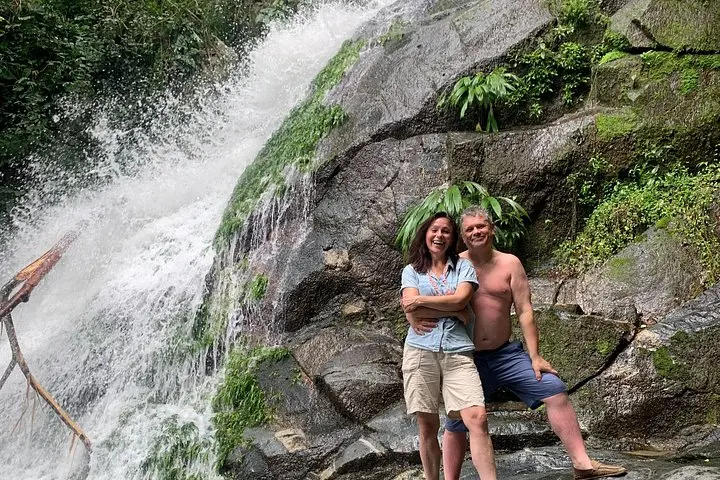
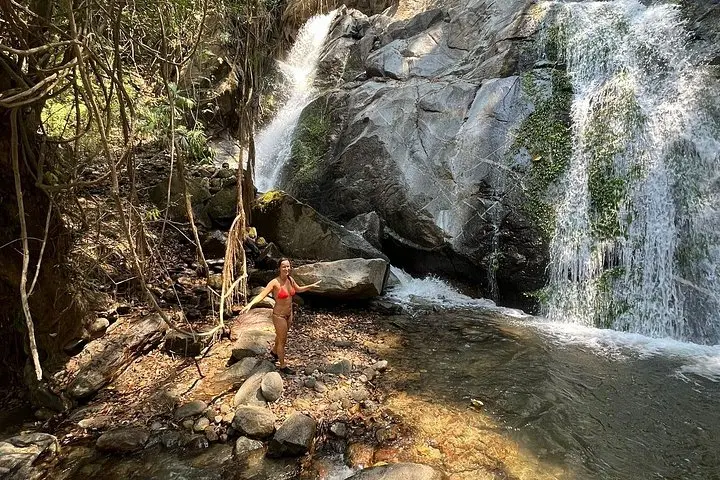
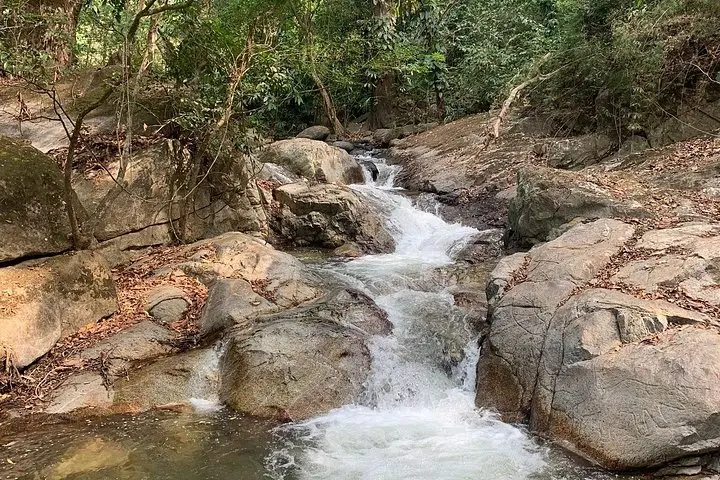
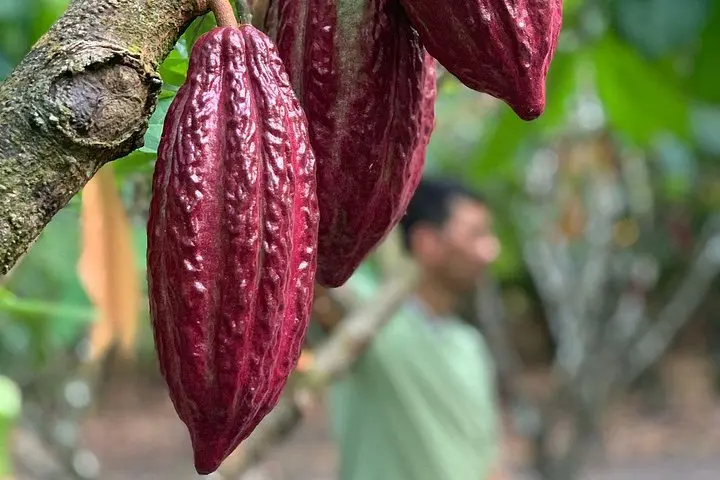
You step off the van and the air changes; it’s cooler, thick with green and the clean wet scent of river stone. The trail follows a ribbon of water, the Manzanares daring you to slow down as it threads through cacao groves and the carved ancestral Donama stones that mark indigenous presence on these slopes. Higher up, the forest opens to the Reserva Caoba, where rescued animals move through secondary growth and Indio Waterfall finishes the route with a thunderous drop.
You step off the van and the air changes; it’s cooler, thick with green and the clean wet scent of river stone. The trail follows a ribbon of water, the Manzanares daring you to slow down as it threads through cacao groves and the carved ancestral Donama stones that mark indigenous presence on these slopes. Higher up, the forest opens to the Reserva Caoba, where rescued animals move through secondary growth and Indio Waterfall finishes the route with a thunderous drop.
The Sierra Nevada de Santa Marta looms here as an isolated coastal massif — one of the world’s highest coastal ranges — its geology a patchwork of uplifted coastal terraces and steep, rapidly eroding valleys. Indigenous communities have left petroglyphs and stone markers; coffee and cacao cultivation introduced in colonial eras now sit alongside smallholder agroforestry. Local guides often weave these cultural threads into the day, explaining traditional uses of plants and the history of the Donama stones.
Practical guidance: plan for a long day (about 10 hours) with varied terrain — dirt track, rocky riverbanks and short steep sections. Bring good trail shoes, sun and insect protection, and a light rain layer: tropical mountain weather can flip quickly. The tour includes bottled water, lunch and transit in an air‑conditioned vehicle, but carry snacks and a lightweight daypack. Expect modest fitness requirements, family‑friendly sections mixed with steeper approaches to viewpoints and the upper waterfall.
Timing your visit in the drier months improves trail conditions; respect sanctuary rules, stay on paths, and ask before photographing locals or wildlife.