THE ADVENTURE COLLECTIVE® · Independent discovery and booking for outdoor travel

Drive from Huaraz into Huascarán National Park to reach Pastoruri Glacier at about 17,192 ft, then visit the towering Puya raimondi in the Valley of Carpa. This full-day tour combines short high-altitude hikes, glacier viewpoints, and a close-up of one of the Andes’ most unusual plants.
Drive from Huaraz into Huascarán National Park to reach Pastoruri Glacier at about 17,192 ft, then visit the towering Puya raimondi in the Valley of Carpa. This full-day tour combines short high-altitude hikes, glacier viewpoints, and a close-up of one of the Andes’ most unusual plants.
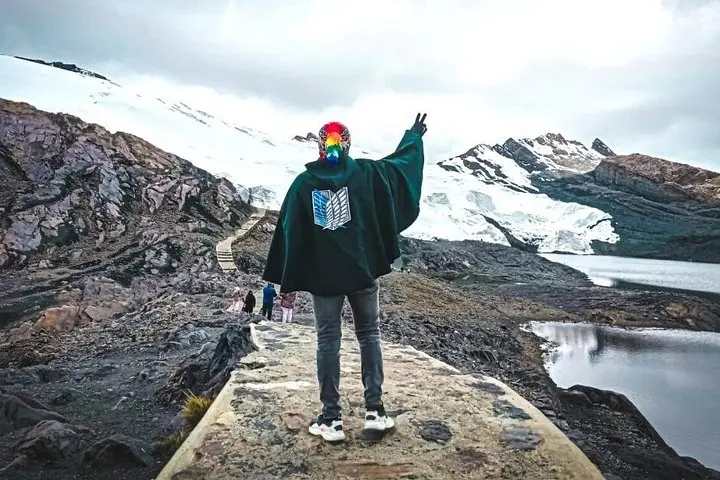
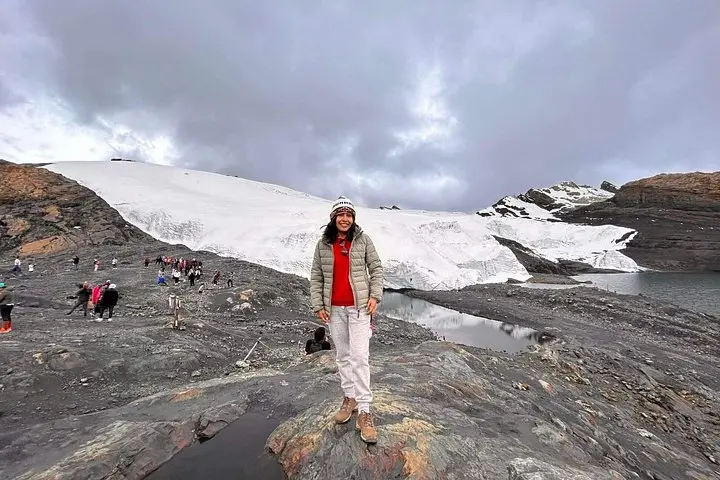
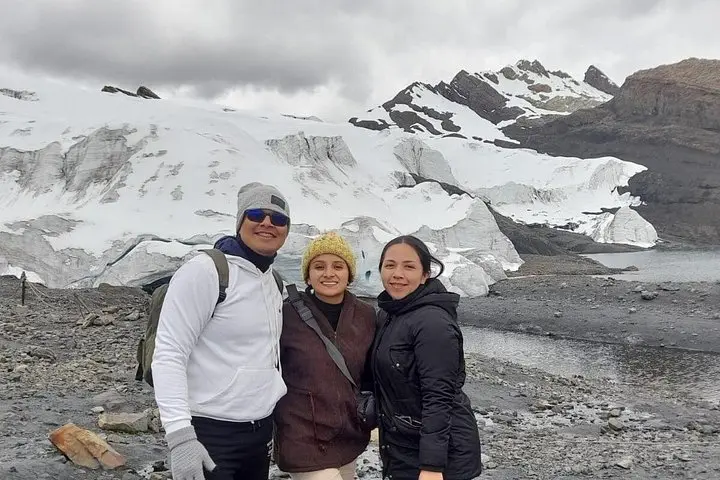
Wind arrives first on the high road south of Huaraz — a clean, cold press that makes each breath a measured act. By mid-morning the van drops you at the Pastoruri parking area inside Huascarán National Park; the glacier sits at about 17,192 feet (≈5,240 m), white and brittle now, a remnant that seems to push back against changing skies.
Verified experiences and guided adventures in the surrounding area.
Operated by Tangol · Huaraz, Ancash
Wind arrives first on the high road south of Huaraz — a clean, cold press that makes each breath a measured act. By mid-morning the van drops you at the Pastoruri parking area inside Huascarán National Park; the glacier sits at about 17,192 feet (≈5,240 m), white and brittle now, a remnant that seems to push back against changing skies.
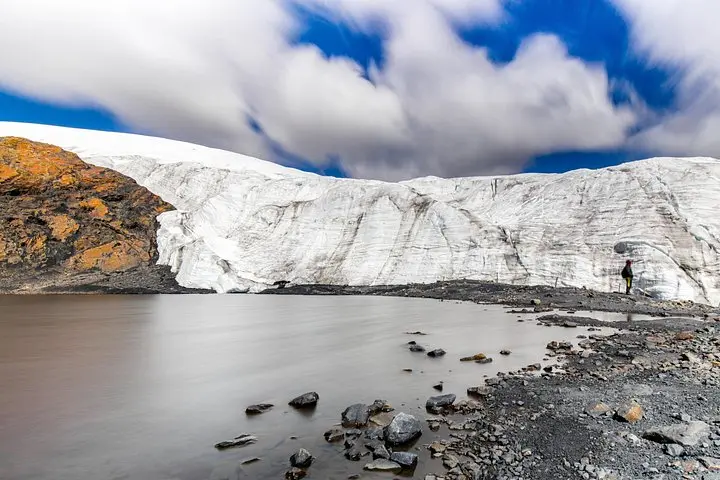
This short, steady hike of roughly an hour takes you to the nearest edge of Pastoruri, where crevassed ice and thaw lines tell the recent story of retreat. The guide will point out lateral moraines and the black streaks of rock once ground down by ancient flows. Nearby, in the Valley of Carpa, Puya raimondi towers — a bromeliad that can climb to ~39 ft and live for decades — a botanical oddity of the high Andes.
Huascarán National Park, a UNESCO site since 1985, combines glacial geology with centuries of Quechua pastoral culture; shepherd trails, high-altitude wetlands (bofedales), and small Andean communities frame the route. The tour lasts about 8–9 hours total: roughly two hours’ drive each way from Huaraz, an hour of walking to the glacier, and time at viewpoints and the Puya stands.
Practical notes: altitude matters — spend at least a day in Huaraz before joining. Expect rocky, uneven trails, intense sun, and sudden wind; layers, sun protection and ample water make the difference. Bring cash (local entry fees may be charged), snacks, and a camera with spare batteries — the thin air favors long, clear vistas but demands measured effort.
The walk from the Pastoruri parking area to the nearest point of the glacier is about 45–60 minutes on uneven terrain.
Not always — a small local fee (around S/30) may be payable in cash at the site unless stated otherwise by the operator.
Because of high altitude and uneven trails, it’s best for children used to hiking and adults in good health; those with heart or spinal issues should avoid it.
Symptoms can appear quickly; allow time to acclimatize in Huaraz, hydrate, avoid alcohol, and descend if severe symptoms occur.
Tangol operates guided outdoor trips and adventures with an emphasis on safety, stewardship, and memorable experiences.
Wind arrives first on the high road south of Huaraz — a clean, cold press that makes each breath a measured act. By mid-morning the van drops you at the Pastoruri parking area inside Huascarán National Park; the glacier sits at about 17,192 feet (≈5,240 m), white and brittle now, a remnant that seems to push back against changing skies.
Wind arrives first on the high road south of Huaraz — a clean, cold press that makes each breath a measured act. By mid-morning the van drops you at the Pastoruri parking area inside Huascarán National Park; the glacier sits at about 17,192 feet (≈5,240 m), white and brittle now, a remnant that seems to push back against changing skies.
This short, steady hike of roughly an hour takes you to the nearest edge of Pastoruri, where crevassed ice and thaw lines tell the recent story of retreat. The guide will point out lateral moraines and the black streaks of rock once ground down by ancient flows. Nearby, in the Valley of Carpa, Puya raimondi towers — a bromeliad that can climb to ~39 ft and live for decades — a botanical oddity of the high Andes.
Huascarán National Park, a UNESCO site since 1985, combines glacial geology with centuries of Quechua pastoral culture; shepherd trails, high-altitude wetlands (bofedales), and small Andean communities frame the route. The tour lasts about 8–9 hours total: roughly two hours’ drive each way from Huaraz, an hour of walking to the glacier, and time at viewpoints and the Puya stands.
Practical notes: altitude matters — spend at least a day in Huaraz before joining. Expect rocky, uneven trails, intense sun, and sudden wind; layers, sun protection and ample water make the difference. Bring cash (local entry fees may be charged), snacks, and a camera with spare batteries — the thin air favors long, clear vistas but demands measured effort.