THE ADVENTURE COLLECTIVE® · Independent discovery and booking for outdoor travel

Visit Pastoruri, one of the few remaining tropical glaciers in the Cordillera Blanca, on a guided day hike from Huaraz. Learn about its geology and rapid retreat while navigating high-elevation trails with panoramic Andean views.
Visit Pastoruri, one of the few remaining tropical glaciers in the Cordillera Blanca, on a guided day hike from Huaraz. Learn about its geology and rapid retreat while navigating high-elevation trails with panoramic Andean views.
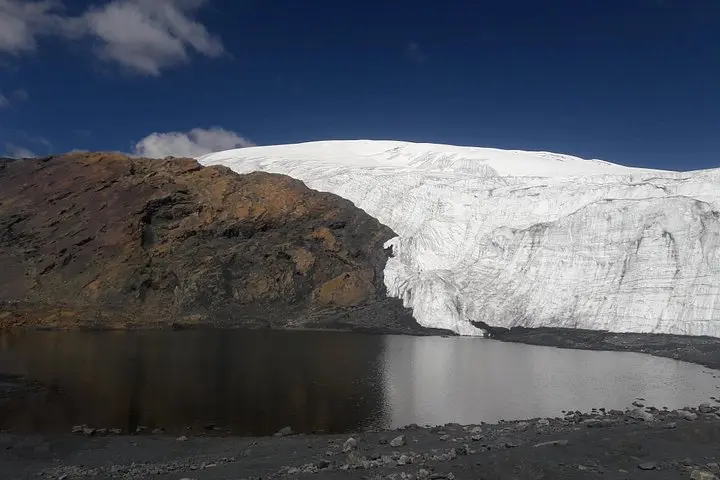
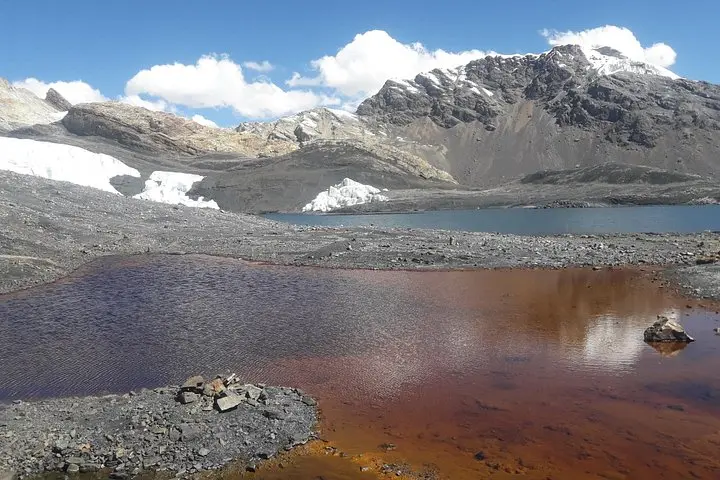
Wind cuts across the puna as you crest the final comedor and the cliff-edged shape of Pastoruri comes into view — a compact, ribbed glacier clinging to a 5,250 m Andean headwall. The air is thin and bright; moraine hummocks and hardened ice frame a landscape that still feels raw and immediate.
Verified experiences and guided adventures in the surrounding area.
Operated by Peru Bergsport · Huaraz, Ancash
Wind cuts across the puna as you crest the final comedor and the cliff-edged shape of Pastoruri comes into view — a compact, ribbed glacier clinging to a 5,250 m Andean headwall. The air is thin and bright; moraine hummocks and hardened ice frame a landscape that still feels raw and immediate.
Pastoruri sits on the southern edge of the Cordillera Blanca, one of the last tropical glaciers in South America. Geologically it’s a cirque glacier, steep with crevassed lips and a terrestrial snout that has retreated noticeably in recent decades. Local Quechua communities historically used nearby high pastures for seasonal grazing, and the road to Pastoruri crosses puna dotted with bofedales and stone corrals that hint at an ancient pastoral rhythm.
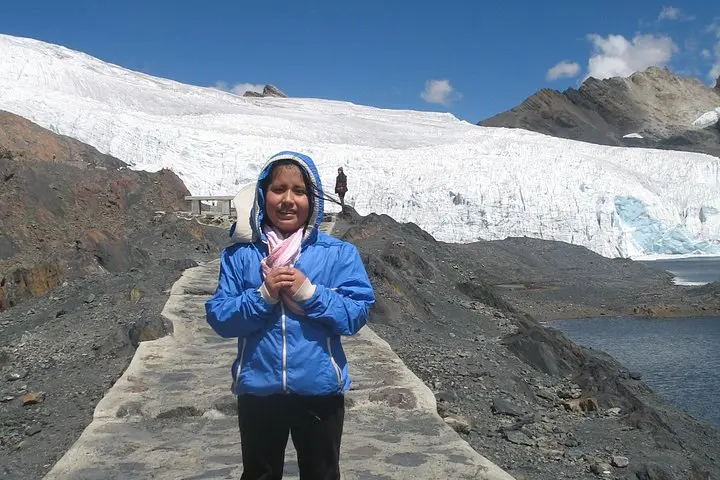
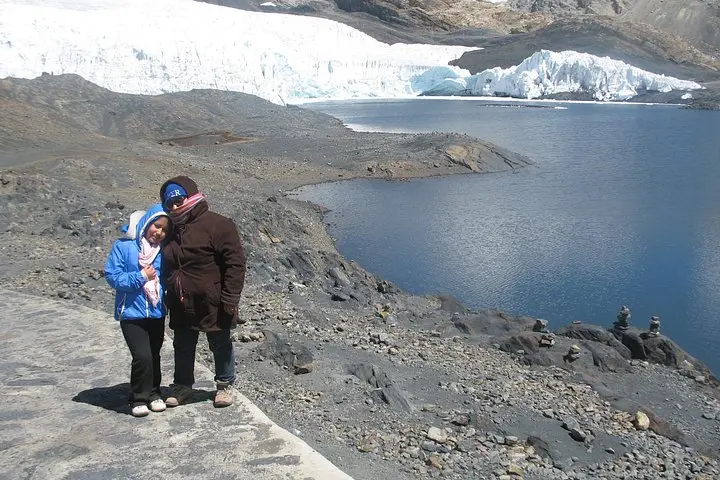
On a guided day visit from Huaraz you’ll walk short, managed trails to viewpoints, step onto remnants of blue ice where permitted, and learn from a guide about glacial loss and local livelihoods. Expect rocky terrain, cold gusts, and thin air — the environment acts with its own demands.
Practical notes: acclimatize in Huaraz for 48–72 hours if possible, carry layers, high-SPF sun protection, and extra water. Trails are short but uneven; sturdy boots and trekking poles help on scree and icy patches. Photography windows are best mid-morning before cloud builds; late afternoons can be windy and colder. Respect cordoned areas — the glacier is fragile and safety rules are strict. A guided private tour provides transport, interpretation, and a safer way to experience one of the Andes’ most tangible climate-change landmarks.
The drive is typically 3–4 hours each way depending on road and traffic conditions; tours usually leave early to allow time at altitude.
No technical mountaineering gear is required for the standard viewpoint trails on guided day tours; crampons and ropes are not used on the public access paths.
The short walks are suitable for many ages, but the altitude can affect anyone — consult a guide and consider health conditions before booking.
Access onto the glacier is usually restricted to protect visitors and the ice; follow guide instructions and respect cordoned areas.
Peru Bergsport operates guided outdoor trips and adventures with an emphasis on safety, stewardship, and memorable experiences.
Wind cuts across the puna as you crest the final comedor and the cliff-edged shape of Pastoruri comes into view — a compact, ribbed glacier clinging to a 5,250 m Andean headwall. The air is thin and bright; moraine hummocks and hardened ice frame a landscape that still feels raw and immediate.
Wind cuts across the puna as you crest the final comedor and the cliff-edged shape of Pastoruri comes into view — a compact, ribbed glacier clinging to a 5,250 m Andean headwall. The air is thin and bright; moraine hummocks and hardened ice frame a landscape that still feels raw and immediate.
Pastoruri sits on the southern edge of the Cordillera Blanca, one of the last tropical glaciers in South America. Geologically it’s a cirque glacier, steep with crevassed lips and a terrestrial snout that has retreated noticeably in recent decades. Local Quechua communities historically used nearby high pastures for seasonal grazing, and the road to Pastoruri crosses puna dotted with bofedales and stone corrals that hint at an ancient pastoral rhythm.
On a guided day visit from Huaraz you’ll walk short, managed trails to viewpoints, step onto remnants of blue ice where permitted, and learn from a guide about glacial loss and local livelihoods. Expect rocky terrain, cold gusts, and thin air — the environment acts with its own demands.
Practical notes: acclimatize in Huaraz for 48–72 hours if possible, carry layers, high-SPF sun protection, and extra water. Trails are short but uneven; sturdy boots and trekking poles help on scree and icy patches. Photography windows are best mid-morning before cloud builds; late afternoons can be windy and colder. Respect cordoned areas — the glacier is fragile and safety rules are strict. A guided private tour provides transport, interpretation, and a safer way to experience one of the Andes’ most tangible climate-change landmarks.