THE ADVENTURE COLLECTIVE® · Independent discovery and booking for outdoor travel

Walk the full ‘O’ of Torres del Paine: 80 miles of granite towers, glacier blue lakes and high passes. This guided weeklong circuit balances big days with remote camps and front‑row views of Grey Glacier and the Towers.
Walk the full ‘O’ of Torres del Paine: 80 miles of granite towers, glacier blue lakes and high passes. This guided weeklong circuit balances big days with remote camps and front‑row views of Grey Glacier and the Towers.
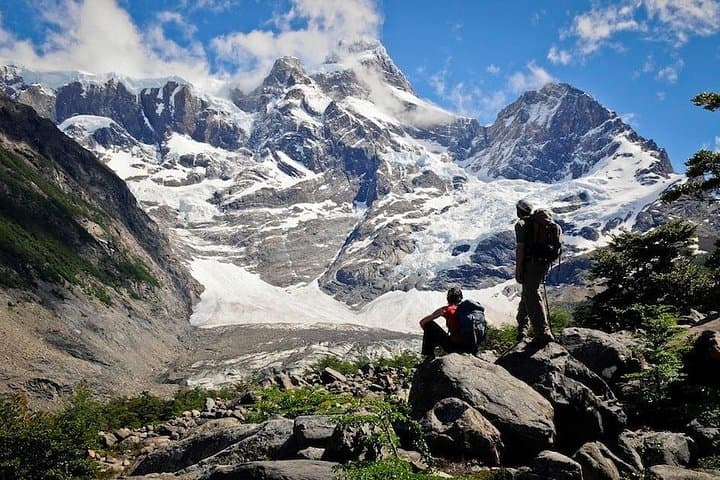
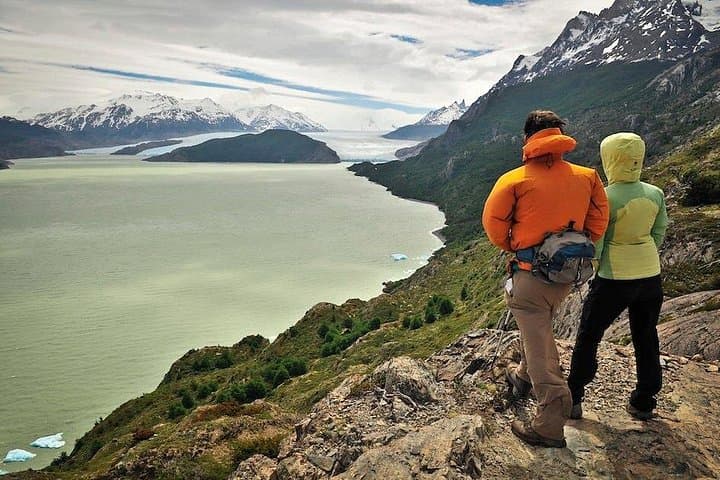
You crest John Gardner Pass and the wind strips the last warmth from your fingers; below, Grey Glacier sprawls like an argent river, a slow-moving force that dares you to measure its size with your eyes. That first breath of cold, mineral air is the moment the circuit stops being a map and becomes a rhythm: up over ridgelines, down into lenga forests, across braided glacial rivers that push at your boots.
Verified experiences and guided adventures in the surrounding area.
Operated by OneSeed Expeditions · Puerto Natales, Magallanes y la Antártica Chilena
You crest John Gardner Pass and the wind strips the last warmth from your fingers; below, Grey Glacier sprawls like an argent river, a slow-moving force that dares you to measure its size with your eyes. That first breath of cold, mineral air is the moment the circuit stops being a map and becomes a rhythm: up over ridgelines, down into lenga forests, across braided glacial rivers that push at your boots.
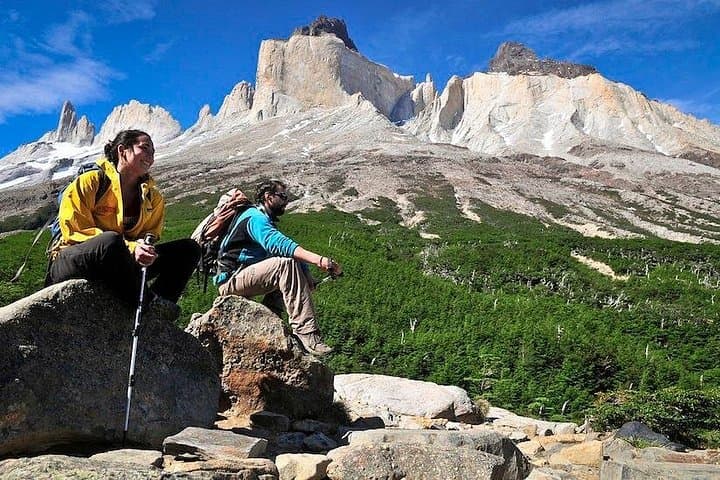
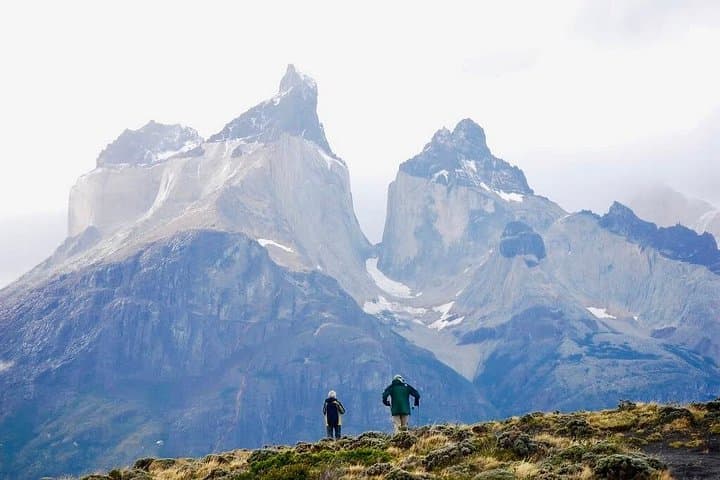
The Full Circuit — the “O” — circles the Paine Massif over roughly 80 miles (130 km) of trail, threading together the park’s signature scenes: the granite teeth of the Towers, the French Valley’s horned peaks, and the 100‑square‑mile expanse of Grey Glacier. Geologically, the massif is a late‑Cenozoic assembly of granite intrusions sculpted by repeated ice ages; you’ll see bedrock floors polished by glaciers and moraine ridges that mark former ice. Culturally, the land holds the imprint of the Kawésqar and Tehuelche peoples and, more recently, gaucho traditions around sheep ranching in Patagonia’s vast steppe.
On this guided weeklong route you’ll summit passes near 1,200 m (3,937 ft) at John Gardner, tackle day stretches up to 19 km, and sleep seven nights in tents—hot showers are a rare luxury at Grey Camp. Trails range from hard-packed path and rocky scrambles to muddy, water-crossed sections; weather is the variable that defines the trek, switching from glass-calm lakeside mirrors to gale-driven whiteouts over the course of hours.
Practical planning makes the difference between a slog and a memorable traverse. Pack a 55–70 L backpack, a 3‑season sleeping bag rated to at least -5°C for shoulder seasons, and a waterproof hardshell; bring trekking poles to save knees on steep descents. Hydrate early each day—streams are abundant but bring a filter or tablets—and expect daily mileage between 7–19 miles with cumulative elevation gains and losses that will test both lungs and resolve.
Guides handle logistics—permits, camp setup, some transfers—so you carry essentials and the solitude of the route: mornings of glassy lakes and evenings of stew keyed by the wind’s mood. Read the terrain, start hikes before the afternoon winds pick up, and accept that Patagonia’s weather is an active participant in the trip. With preparation, the Full Circuit pays back effort with glacier blue, granite spires, and a feeling of having walked the edge of the world.
Daily distances vary from about 7 to 19 miles (11–30 km), with several long days early and around John Gardner Pass; the itinerary specifies each stage’s distance and time.
No technical climbing skills are required for the Full Circuit; however, you should be comfortable with long multi‑day backcountry hiking and variable terrain.
Yes—tents are supplied and set up at established campsites; some camps (e.g., Grey Camp) offer hot showers depending on season and logistics.
Southern summer (Dec–Feb) offers the mildest temperatures and longest daylight; shoulder seasons have fewer crowds but colder, windier weather.
Meals listed in the itinerary (breakfast, lunch, dinner) are included during the trek and at camps; guides prepare group meals and manage food resupplies.
Sections of the circuit are remote with limited or no cell coverage; emergency protocols rely on guides and park rangers rather than regular phone access.
OneSeed Expeditions operates guided outdoor trips and adventures with an emphasis on safety, stewardship, and memorable experiences.
You crest John Gardner Pass and the wind strips the last warmth from your fingers; below, Grey Glacier sprawls like an argent river, a slow-moving force that dares you to measure its size with your eyes. That first breath of cold, mineral air is the moment the circuit stops being a map and becomes a rhythm: up over ridgelines, down into lenga forests, across braided glacial rivers that push at your boots.
You crest John Gardner Pass and the wind strips the last warmth from your fingers; below, Grey Glacier sprawls like an argent river, a slow-moving force that dares you to measure its size with your eyes. That first breath of cold, mineral air is the moment the circuit stops being a map and becomes a rhythm: up over ridgelines, down into lenga forests, across braided glacial rivers that push at your boots.
The Full Circuit — the “O” — circles the Paine Massif over roughly 80 miles (130 km) of trail, threading together the park’s signature scenes: the granite teeth of the Towers, the French Valley’s horned peaks, and the 100‑square‑mile expanse of Grey Glacier. Geologically, the massif is a late‑Cenozoic assembly of granite intrusions sculpted by repeated ice ages; you’ll see bedrock floors polished by glaciers and moraine ridges that mark former ice. Culturally, the land holds the imprint of the Kawésqar and Tehuelche peoples and, more recently, gaucho traditions around sheep ranching in Patagonia’s vast steppe.
On this guided weeklong route you’ll summit passes near 1,200 m (3,937 ft) at John Gardner, tackle day stretches up to 19 km, and sleep seven nights in tents—hot showers are a rare luxury at Grey Camp. Trails range from hard-packed path and rocky scrambles to muddy, water-crossed sections; weather is the variable that defines the trek, switching from glass-calm lakeside mirrors to gale-driven whiteouts over the course of hours.
Practical planning makes the difference between a slog and a memorable traverse. Pack a 55–70 L backpack, a 3‑season sleeping bag rated to at least -5°C for shoulder seasons, and a waterproof hardshell; bring trekking poles to save knees on steep descents. Hydrate early each day—streams are abundant but bring a filter or tablets—and expect daily mileage between 7–19 miles with cumulative elevation gains and losses that will test both lungs and resolve.
Guides handle logistics—permits, camp setup, some transfers—so you carry essentials and the solitude of the route: mornings of glassy lakes and evenings of stew keyed by the wind’s mood. Read the terrain, start hikes before the afternoon winds pick up, and accept that Patagonia’s weather is an active participant in the trip. With preparation, the Full Circuit pays back effort with glacier blue, granite spires, and a feeling of having walked the edge of the world.