THE ADVENTURE COLLECTIVE® · Independent discovery and booking for outdoor travel

Spend a day moving between the hand-carved courts of Patan and the cobbled markets of Bhaktapur. This private tour covers both UNESCO-rich squares with a local guide and a comfortable vehicle—ideal for travelers short on time but hungry for heritage.
Spend a day moving between the hand-carved courts of Patan and the cobbled markets of Bhaktapur. This private tour covers both UNESCO-rich squares with a local guide and a comfortable vehicle—ideal for travelers short on time but hungry for heritage.
You step from the private vehicle into a courtyard where carved wood and stone crowd the light—Patan’s Durbar Square opens like a lesson in hand-forged detail, while later Bhaktapur’s cobbled lanes push you into quieter corners of the medieval valley.
Verified experiences and guided adventures in the surrounding area.
Operated by Nepal Singapore Tours · Kathmandu, Bagmati Province
You step from the private vehicle into a courtyard where carved wood and stone crowd the light—Patan’s Durbar Square opens like a lesson in hand-forged detail, while later Bhaktapur’s cobbled lanes push you into quieter corners of the medieval valley.
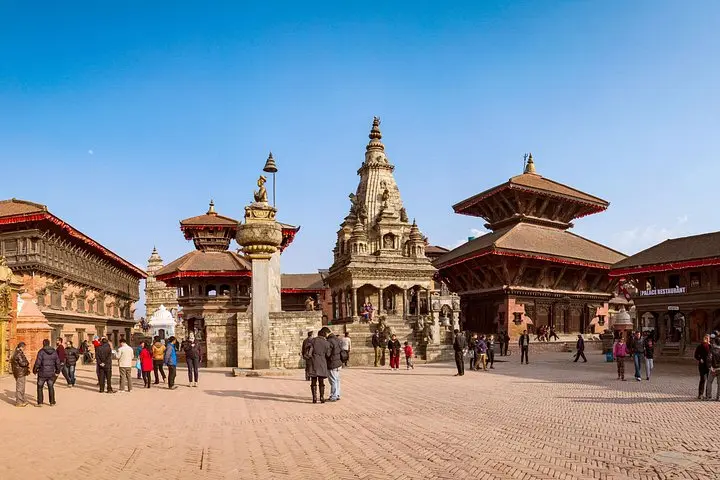
Patan (Lalitpur) and Bhaktapur were independent Malla kingdoms whose Newari craftsmen shaped much of what you see: tiered temples, stone water spouts, and finely carved palace façades. Geologically the Kathmandu Valley is a broad basin at roughly 1,350–1,400 m, its clay-brick architecture weathered by monsoon cycles and centuries of human activity.
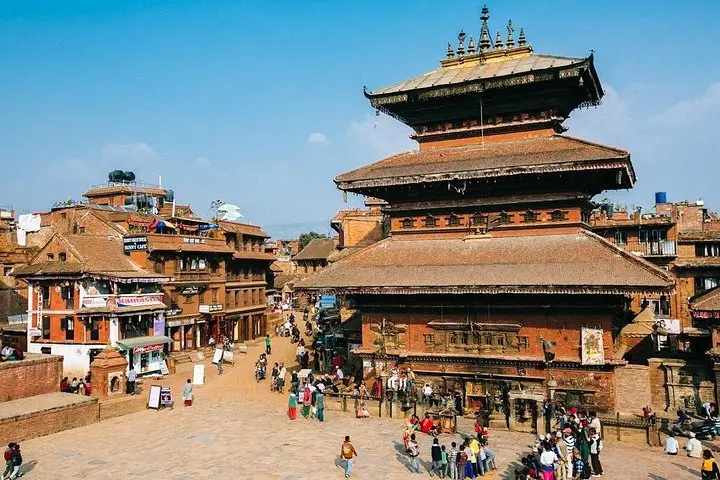
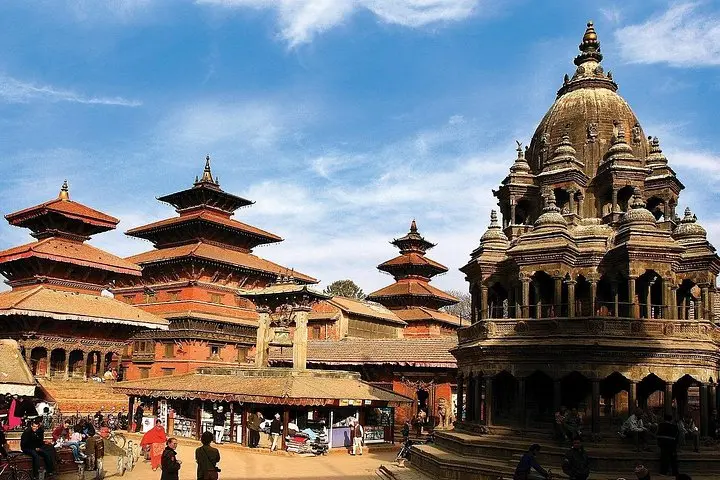
Culturally, both cities remain living centers of ritual, craft, and market trade—potters at their wheels in Bhaktapur, metalworkers and mask-makers in Patan. Your guide will point out Krishna Mandir’s three-tiered sanctum in Patan and Nyatapola’s five-story pagoda in Bhaktapur, while explaining local festivals and restoration efforts.
Practical guidance: the full-day private tour typically runs about seven hours, starting mid-morning, with roughly equal time in each city. Expect extensive walking on uneven, often narrow cobbles and short flights of steps at temple entrances. Entrance fees to museums and some temples are usually extra—keep small local currency handy. Wear grippy shoes, protect against sun and sudden showers during monsoon season, and pace photo stops to let a single day cover both squares without rush. Guides and drivers handle navigation; you handle the steps and the stories.
The tour is approximately seven hours total, typically starting mid-morning and returning to Kathmandu by early evening.
Standard bookings generally do not include individual museum or temple entrance fees—carry cash or ask your guide in advance.
Some transportation is wheelchair accessible and many wider streets are accessible, but temple steps and cobbled lanes in Durbar Squares limit access to certain sites—check with the operator for specifics.
Yes—licensed local guides typically provide historical context, explain rituals, and point out current cultural practices and restoration efforts.
Nepal Singapore Tours operates guided outdoor trips and adventures with an emphasis on safety, stewardship, and memorable experiences.
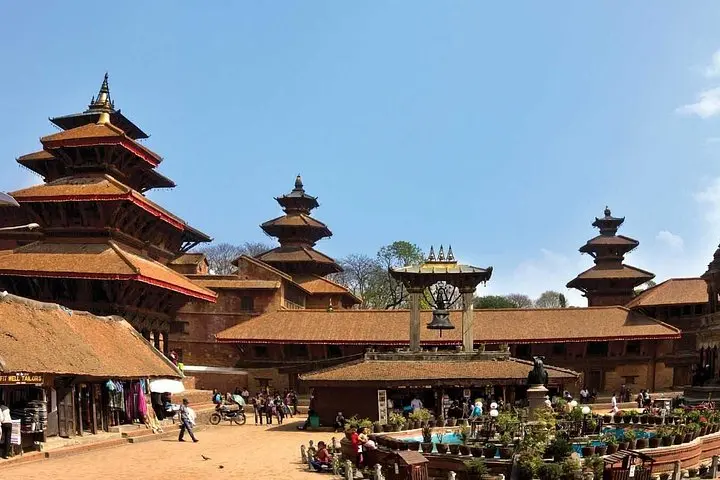
You step from the private vehicle into a courtyard where carved wood and stone crowd the light—Patan’s Durbar Square opens like a lesson in hand-forged detail, while later Bhaktapur’s cobbled lanes push you into quieter corners of the medieval valley.
You step from the private vehicle into a courtyard where carved wood and stone crowd the light—Patan’s Durbar Square opens like a lesson in hand-forged detail, while later Bhaktapur’s cobbled lanes push you into quieter corners of the medieval valley.
Patan (Lalitpur) and Bhaktapur were independent Malla kingdoms whose Newari craftsmen shaped much of what you see: tiered temples, stone water spouts, and finely carved palace façades. Geologically the Kathmandu Valley is a broad basin at roughly 1,350–1,400 m, its clay-brick architecture weathered by monsoon cycles and centuries of human activity.
Culturally, both cities remain living centers of ritual, craft, and market trade—potters at their wheels in Bhaktapur, metalworkers and mask-makers in Patan. Your guide will point out Krishna Mandir’s three-tiered sanctum in Patan and Nyatapola’s five-story pagoda in Bhaktapur, while explaining local festivals and restoration efforts.
Practical guidance: the full-day private tour typically runs about seven hours, starting mid-morning, with roughly equal time in each city. Expect extensive walking on uneven, often narrow cobbles and short flights of steps at temple entrances. Entrance fees to museums and some temples are usually extra—keep small local currency handy. Wear grippy shoes, protect against sun and sudden showers during monsoon season, and pace photo stops to let a single day cover both squares without rush. Guides and drivers handle navigation; you handle the steps and the stories.