THE ADVENTURE COLLECTIVE® · Independent discovery and booking for outdoor travel

Explore three of the Kathmandu Valley’s cultural highlights in one day: Patan’s UNESCO-listed Durbar Square, and the traditional Newari villages of Bungamati and Khokana. This guided six- to seven-hour tour pairs architecture, living craft traditions and village rituals with a practical, easy-paced itinerary.
Explore three of the Kathmandu Valley’s cultural highlights in one day: Patan’s UNESCO-listed Durbar Square, and the traditional Newari villages of Bungamati and Khokana. This guided six- to seven-hour tour pairs architecture, living craft traditions and village rituals with a practical, easy-paced itinerary.
By mid-morning the stone alleys of Patan vibrate with craftsmen hammering metal and the smell of frying spices drift from courtyard kitchens. You step from the traffic of Kathmandu into Lalitpur’s compact Durbar Square — pagoda roofs stacked like pages of history — then out again onto narrow lanes that lead to villages where time keeps a quieter pace.
Verified experiences and guided adventures in the surrounding area.
Operated by High Asia Tours · Lalitpur (Patan), Bagmati Province
By mid-morning the stone alleys of Patan vibrate with craftsmen hammering metal and the smell of frying spices drift from courtyard kitchens. You step from the traffic of Kathmandu into Lalitpur’s compact Durbar Square — pagoda roofs stacked like pages of history — then out again onto narrow lanes that lead to villages where time keeps a quieter pace.
Patan (Lalitpur) is one of the medieval Malla principalities, famous for its concentrated collection of temples, palaces and metalwork that earned UNESCO recognition. The Kathmandu Valley itself is an alluvial plain ringed by low hills; the geology has allowed dense settlement and an extraordinary layering of Hindu and Buddhist art. Bungamati and Khokana, roughly 10 km south of central Kathmandu, preserve Newari village life: elaborate wood and stone carving shops, small farms, and seasonal rituals such as the Rato Machhendranath chariot festival and the worship at Karyabinayak in Khokana. Khokana’s pressed-mustard oil presses and a nearby picnic slope are local touches many visitors miss.
Practically: this is a 6–7 hour door-to-door day tour with short walks on cobbles and village tracks, light elevation changes, and several temple visits. Expect cultural briefings from a local English-speaking guide, bottled water, and a provided lunch. Wear sturdy shoes for uneven pavements, bring sun protection and small-denomination cash for donations or crafts, and schedule the tour in the morning to avoid afternoon traffic. Respect temple dress codes and photography rules — this route rewards attentive observation more than speed.
The tour lasts about 6–7 hours with a relaxed pace: short guided walks through Patan and brief village strolls in Bungamati and Khokana.
Yes — it’s generally family-friendly and suitable for older travelers, though uneven surfaces and steps mean some mobility limitations may be a factor.
Yes — a local lunch at Inn Patan and bottled water are included in the tour price.
Photography is allowed in many outdoor areas; however, some interiors require permission or modest dress. Always ask the guide and respect signs.
High Asia Tours operates guided outdoor trips and adventures with an emphasis on safety, stewardship, and memorable experiences.
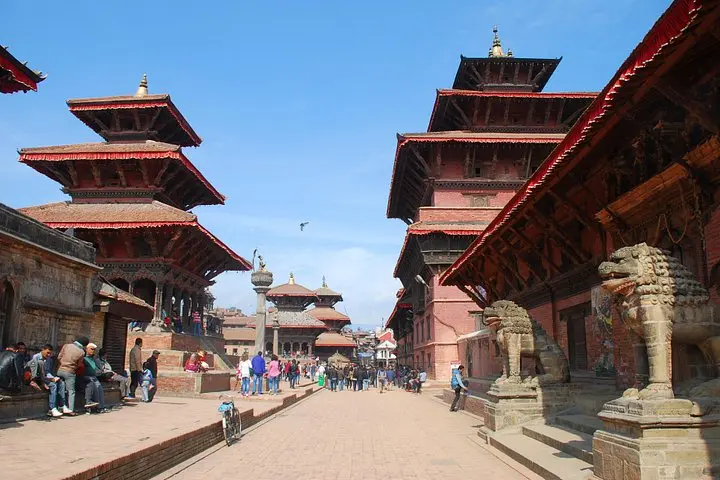
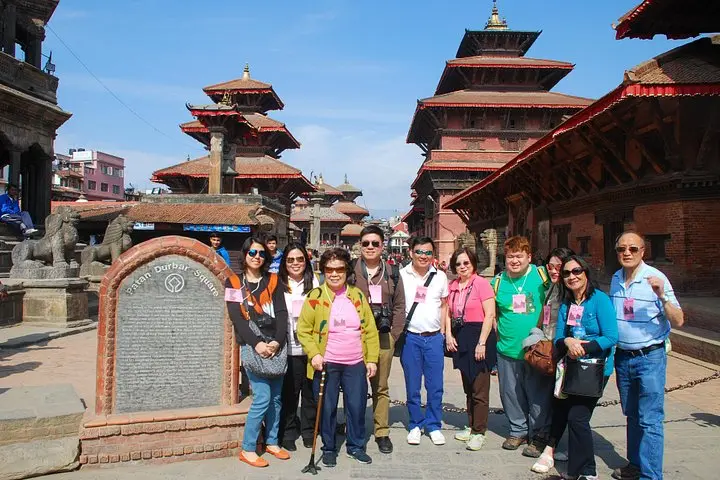
By mid-morning the stone alleys of Patan vibrate with craftsmen hammering metal and the smell of frying spices drift from courtyard kitchens. You step from the traffic of Kathmandu into Lalitpur’s compact Durbar Square — pagoda roofs stacked like pages of history — then out again onto narrow lanes that lead to villages where time keeps a quieter pace.
By mid-morning the stone alleys of Patan vibrate with craftsmen hammering metal and the smell of frying spices drift from courtyard kitchens. You step from the traffic of Kathmandu into Lalitpur’s compact Durbar Square — pagoda roofs stacked like pages of history — then out again onto narrow lanes that lead to villages where time keeps a quieter pace.
Patan (Lalitpur) is one of the medieval Malla principalities, famous for its concentrated collection of temples, palaces and metalwork that earned UNESCO recognition. The Kathmandu Valley itself is an alluvial plain ringed by low hills; the geology has allowed dense settlement and an extraordinary layering of Hindu and Buddhist art. Bungamati and Khokana, roughly 10 km south of central Kathmandu, preserve Newari village life: elaborate wood and stone carving shops, small farms, and seasonal rituals such as the Rato Machhendranath chariot festival and the worship at Karyabinayak in Khokana. Khokana’s pressed-mustard oil presses and a nearby picnic slope are local touches many visitors miss.
Practically: this is a 6–7 hour door-to-door day tour with short walks on cobbles and village tracks, light elevation changes, and several temple visits. Expect cultural briefings from a local English-speaking guide, bottled water, and a provided lunch. Wear sturdy shoes for uneven pavements, bring sun protection and small-denomination cash for donations or crafts, and schedule the tour in the morning to avoid afternoon traffic. Respect temple dress codes and photography rules — this route rewards attentive observation more than speed.