THE ADVENTURE COLLECTIVE® · Independent discovery and booking for outdoor travel

Step onto a ridge that drops into the blue: the Path of the Gods is a classic Amalfi Coast hike, where limestone cliffs, terraced vineyards, and sea views combine with Greco-Roman legends. This private tour from Bomerano to Positano pairs panoramic hiking with convenient transport and local insight.
Step onto a ridge that drops into the blue: the Path of the Gods is a classic Amalfi Coast hike, where limestone cliffs, terraced vineyards, and sea views combine with Greco-Roman legends. This private tour from Bomerano to Positano pairs panoramic hiking with convenient transport and local insight.
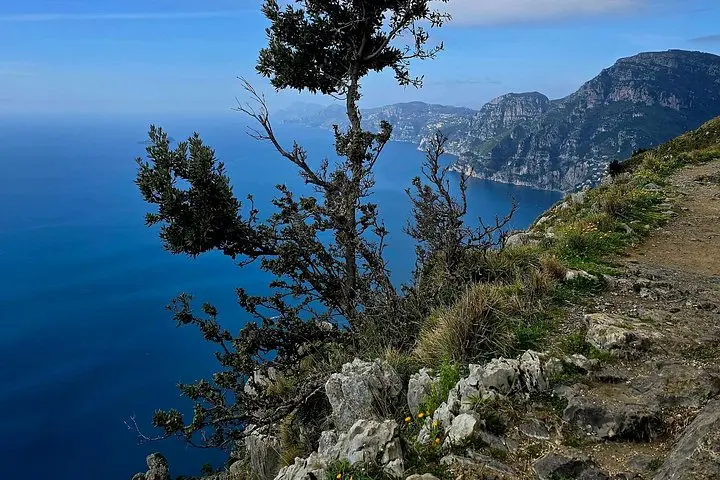
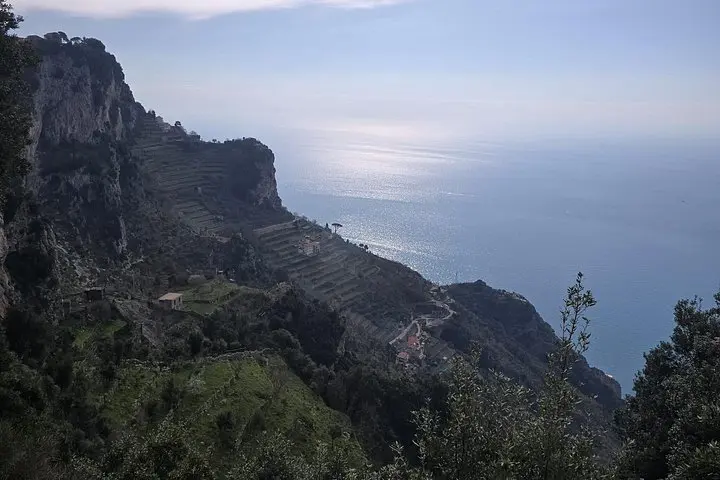
Dawn finds the ridge awake before the towns below — the first light strips the sea into silver and the air smells of thyme and warm stone. On the crest of the Lattari range the Path of the Gods unfurls: a narrow strip of trail etched along limestone cliffs with the Tyrrhenian Sea yawning to the south. The private tour drops you at Bomerano; a few steps in and the coast begins to act like a magnet, pulling your attention between terraces of vines, lemon trees clinging to ancient walls, and the distant silhouette of Capri.
Verified experiences and guided adventures in the surrounding area.
Operated by Italy tour experiences · Agerola, Campania
Dawn finds the ridge awake before the towns below — the first light strips the sea into silver and the air smells of thyme and warm stone. On the crest of the Lattari range the Path of the Gods unfurls: a narrow strip of trail etched along limestone cliffs with the Tyrrhenian Sea yawning to the south. The private tour drops you at Bomerano; a few steps in and the coast begins to act like a magnet, pulling your attention between terraces of vines, lemon trees clinging to ancient walls, and the distant silhouette of Capri.
This is a trail written by geology first. The Lattari are coastal limestone folded and carved into sheer escarpments and small gullies; rain over millennia has created the benches and gullies you walk, while human hands added steps and the odd protective barrier where the cliff is thin. The route’s name is part history and part myth — locals passed down tales that Greek deities moved here to help Ulysses against the sirens of Li Galli — a reminder of the region’s long Mediterranean cultural arc from Greek colonies to Amalfi’s seafaring republic.
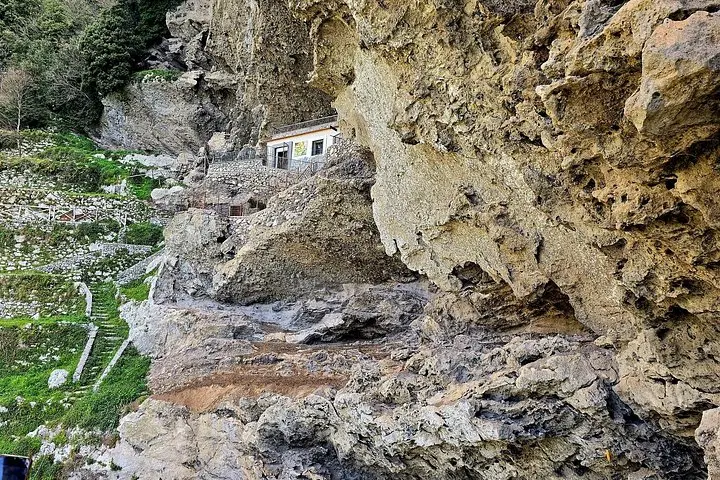
Culturally the Path of the Gods crosses a working landscape: rustic trails pass abandoned shepherd huts, small vineyards producing local wine, and whitewashed hamlets where espresso is still a ceremony. Nocelle and Positano appear not as distant postcards but as destinations with narrow alleys, maritime history, and seafood-centric kitchens waiting at the day’s end.
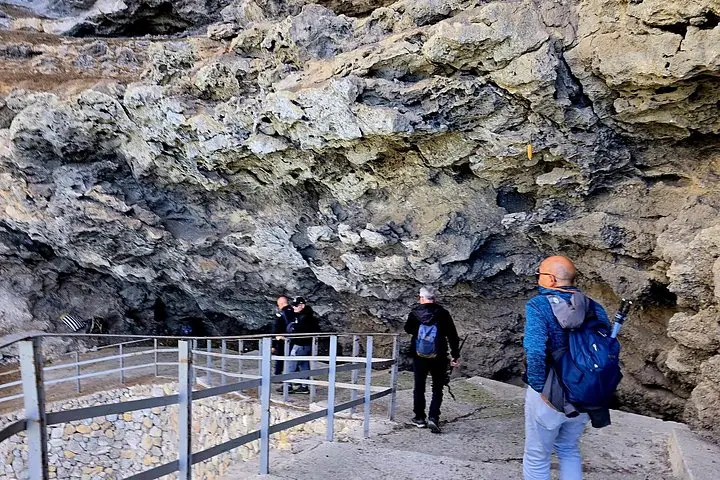
Practicalities are simple but decisive. The classic Bomerano-to-Positano route is roughly 6–8 km with about 600–750 m of elevation loss overall; expect 3–5 hours on the trail depending on pace and photo stops. Terrain is singletrack and stone steps — rocky underfoot, sometimes exposed but well-signed and with occasional barriers. The private tour handles transport (about an hour each way), bottled water, and an experienced driver to drop you at the Bomerano trailhead and meet you in Positano. Guides may adjust the itinerary to your fitness.
Gear and timing matter: wear solid hiking shoes with grip, carry 1.5–2 liters of water (the tour supplies bottled water but refill where possible), and use sun protection — shade is scarce. Trekking poles smooth steep descents, and an early start keeps you clear of midday heat and the busiest tour groups. If you have moderate fitness, no special technical skills are required, but those with heart or back conditions should consider the steady descending strain.
Walk deliberately: keep to the marked path to limit erosion, respect local private terraces, and leave the view intact for the next hiker. By afternoon, Positano’s pastel houses tumble toward the sea and the trail’s living history — a coastline that still asks for curiosity and care — is yours to close out with a cold drink and salt on your lips.
The classic route from Bomerano to Positano is about 6–8 km and typically takes 3–5 hours on foot, while the full tour day (including transfers) lasts up to nine hours.
Moderate — the trail is non-technical but includes uneven stone steps and some exposed sections; a reasonable level of fitness is required.
Private transportation to/from your pickup point, bottled water, on-board WiFi, and an air-conditioned vehicle are included; guides vary by operator.
Yes — the itinerary typically ends in Positano where the driver will meet you; confirm the exact pickup arrangements when you book.
Spring and fall offer the most comfortable temperatures and clearer skies; early mornings in summer avoid heat and crowds.
This tour is not recommended for pregnant travelers; children who can handle several hours of walking on uneven terrain may join, but check with the operator for age-specific guidance.
Italy tour experiences operates guided outdoor trips and adventures with an emphasis on safety, stewardship, and memorable experiences.
Dawn finds the ridge awake before the towns below — the first light strips the sea into silver and the air smells of thyme and warm stone. On the crest of the Lattari range the Path of the Gods unfurls: a narrow strip of trail etched along limestone cliffs with the Tyrrhenian Sea yawning to the south. The private tour drops you at Bomerano; a few steps in and the coast begins to act like a magnet, pulling your attention between terraces of vines, lemon trees clinging to ancient walls, and the distant silhouette of Capri.
Dawn finds the ridge awake before the towns below — the first light strips the sea into silver and the air smells of thyme and warm stone. On the crest of the Lattari range the Path of the Gods unfurls: a narrow strip of trail etched along limestone cliffs with the Tyrrhenian Sea yawning to the south. The private tour drops you at Bomerano; a few steps in and the coast begins to act like a magnet, pulling your attention between terraces of vines, lemon trees clinging to ancient walls, and the distant silhouette of Capri.
This is a trail written by geology first. The Lattari are coastal limestone folded and carved into sheer escarpments and small gullies; rain over millennia has created the benches and gullies you walk, while human hands added steps and the odd protective barrier where the cliff is thin. The route’s name is part history and part myth — locals passed down tales that Greek deities moved here to help Ulysses against the sirens of Li Galli — a reminder of the region’s long Mediterranean cultural arc from Greek colonies to Amalfi’s seafaring republic.
Culturally the Path of the Gods crosses a working landscape: rustic trails pass abandoned shepherd huts, small vineyards producing local wine, and whitewashed hamlets where espresso is still a ceremony. Nocelle and Positano appear not as distant postcards but as destinations with narrow alleys, maritime history, and seafood-centric kitchens waiting at the day’s end.
Practicalities are simple but decisive. The classic Bomerano-to-Positano route is roughly 6–8 km with about 600–750 m of elevation loss overall; expect 3–5 hours on the trail depending on pace and photo stops. Terrain is singletrack and stone steps — rocky underfoot, sometimes exposed but well-signed and with occasional barriers. The private tour handles transport (about an hour each way), bottled water, and an experienced driver to drop you at the Bomerano trailhead and meet you in Positano. Guides may adjust the itinerary to your fitness.
Gear and timing matter: wear solid hiking shoes with grip, carry 1.5–2 liters of water (the tour supplies bottled water but refill where possible), and use sun protection — shade is scarce. Trekking poles smooth steep descents, and an early start keeps you clear of midday heat and the busiest tour groups. If you have moderate fitness, no special technical skills are required, but those with heart or back conditions should consider the steady descending strain.
Walk deliberately: keep to the marked path to limit erosion, respect local private terraces, and leave the view intact for the next hiker. By afternoon, Positano’s pastel houses tumble toward the sea and the trail’s living history — a coastline that still asks for curiosity and care — is yours to close out with a cold drink and salt on your lips.