THE ADVENTURE COLLECTIVE® · Independent discovery and booking for outdoor travel

Step away from Patong’s beaches into a forested sanctuary where retired tourism elephants roam freely. This guided, hands-off visit emphasizes observation, herbal care rituals, and the mahouts’ traditional knowledge.
Step away from Patong’s beaches into a forested sanctuary where retired tourism elephants roam freely. This guided, hands-off visit emphasizes observation, herbal care rituals, and the mahouts’ traditional knowledge.
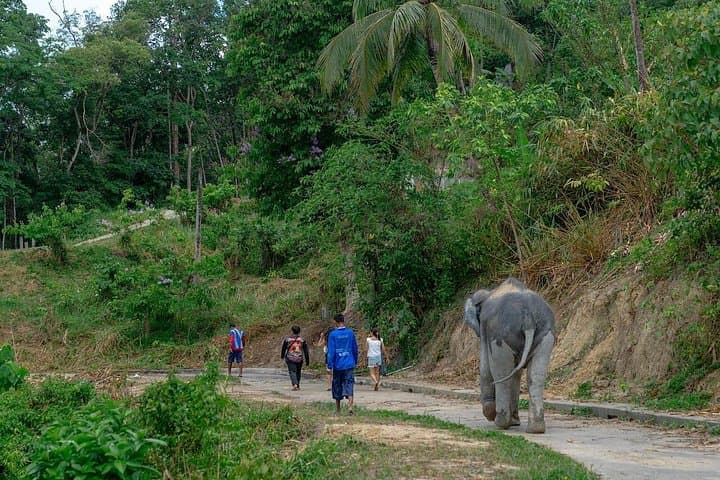
A narrow dirt path opens from the edge of Patong’s bustle into a cool, green pocket of forest where trunks of old trees lean like quiet sentinels. The air here smells of damp earth and crushed herbs; somewhere ahead an elephant rumbles softly, a sound that sets the pace for the walk.
Verified experiences and guided adventures in the surrounding area.
Operated by MY Holiday Centre · Patong, Phuket
A narrow dirt path opens from the edge of Patong’s bustle into a cool, green pocket of forest where trunks of old trees lean like quiet sentinels. The air here smells of damp earth and crushed herbs; somewhere ahead an elephant rumbles softly, a sound that sets the pace for the walk.
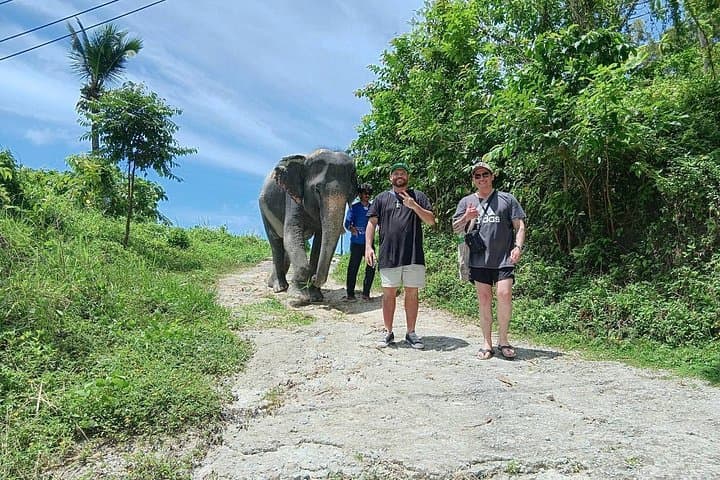
At Hill Tribe Elephant Village, families with generational knowledge of elephant care run a hands-off sanctuary for animals retired from tourism. Visitors begin by hearing each animal’s story and watching staff prepare herbal medical food — a practical blend used to support digestion and recovery. The trail follows gentle forest slopes and compacted soil rather than groomed enclosures, so you observe elephants foraging and socializing at their own rhythm rather than directing their behavior.
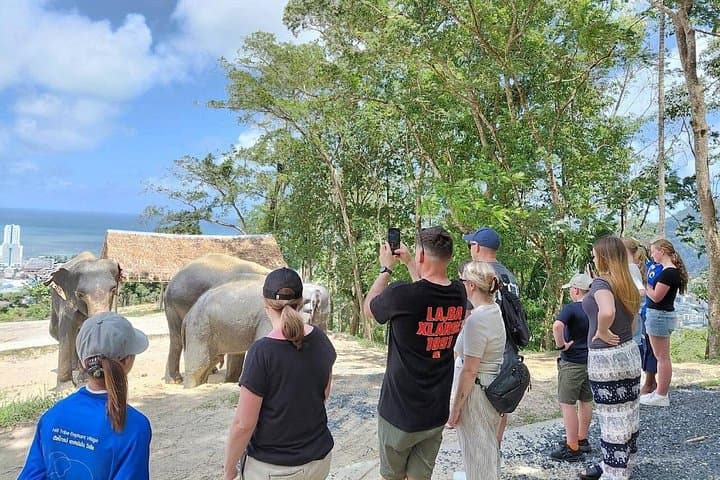
Geologically, this coastal plain rises quickly into wooded ridges that shelter habitat pockets and give panoramic glimpses toward Patong Bay. Culturally, the site is shaped by hill-tribe mahouts whose techniques reflect local knowledge and Buddhist-influenced respect for animals.
Practical details: the core visit is approximately one hour (some listings include extra transfer time), limited to small groups, and strictly no riding or performances. There is currently no toilet facility on site to minimize disturbance, and guides insist visitors keep distance unless escorted by staff. Bring sturdy closed-toe shoes, sun protection, water, and a small daypack. Expect uneven forest floor, brief uphill sections, and opportunities for quiet observation and learning rather than hands-on interaction.
This is an experience for travelers who want an ethical, educational encounter with Thailand’s elephants—focused on observation, welfare, and conservation.
No. This sanctuary is hands-off—there is no riding or public feeding; interactions are limited and always guided to prioritize elephant welfare.
Hotel transfer is available if selected at booking; otherwise public transportation options exist nearby and the meeting point is close to Patong.
The visit is suitable for most ages, but the trail requires basic mobility; infants should be in secure carriers and those with serious cardiovascular issues should avoid strenuous parts.
Currently the sanctuary does not have toilet facilities to minimize habitat disturbance—plan accordingly before arrival.
MY Holiday Centre operates guided outdoor trips and adventures with an emphasis on safety, stewardship, and memorable experiences.

A narrow dirt path opens from the edge of Patong’s bustle into a cool, green pocket of forest where trunks of old trees lean like quiet sentinels. The air here smells of damp earth and crushed herbs; somewhere ahead an elephant rumbles softly, a sound that sets the pace for the walk.
A narrow dirt path opens from the edge of Patong’s bustle into a cool, green pocket of forest where trunks of old trees lean like quiet sentinels. The air here smells of damp earth and crushed herbs; somewhere ahead an elephant rumbles softly, a sound that sets the pace for the walk.
At Hill Tribe Elephant Village, families with generational knowledge of elephant care run a hands-off sanctuary for animals retired from tourism. Visitors begin by hearing each animal’s story and watching staff prepare herbal medical food — a practical blend used to support digestion and recovery. The trail follows gentle forest slopes and compacted soil rather than groomed enclosures, so you observe elephants foraging and socializing at their own rhythm rather than directing their behavior.
Geologically, this coastal plain rises quickly into wooded ridges that shelter habitat pockets and give panoramic glimpses toward Patong Bay. Culturally, the site is shaped by hill-tribe mahouts whose techniques reflect local knowledge and Buddhist-influenced respect for animals.
Practical details: the core visit is approximately one hour (some listings include extra transfer time), limited to small groups, and strictly no riding or performances. There is currently no toilet facility on site to minimize disturbance, and guides insist visitors keep distance unless escorted by staff. Bring sturdy closed-toe shoes, sun protection, water, and a small daypack. Expect uneven forest floor, brief uphill sections, and opportunities for quiet observation and learning rather than hands-on interaction.
This is an experience for travelers who want an ethical, educational encounter with Thailand’s elephants—focused on observation, welfare, and conservation.