THE ADVENTURE COLLECTIVE® · Independent discovery and booking for outdoor travel

A focused, one-hour walking primer through Colonial Williamsburg’s most consequential sites. Ideal for first-time visitors who want the story, not just the scenery.
A focused, one-hour walking primer through Colonial Williamsburg’s most consequential sites. Ideal for first-time visitors who want the story, not just the scenery.
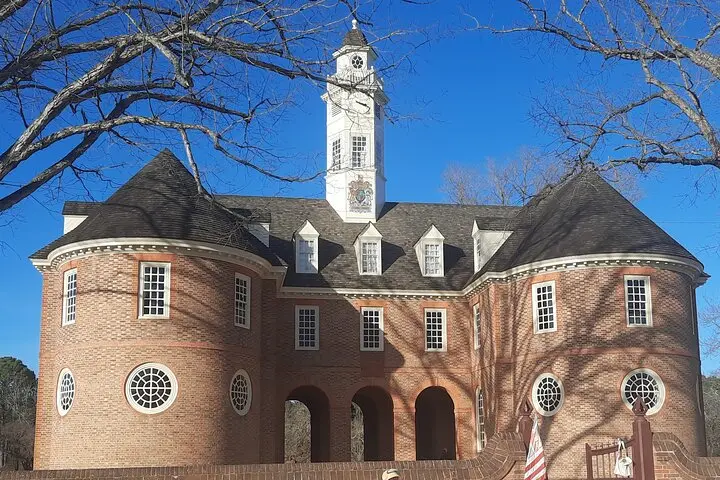
Morning light slips between restored brick facades as the guide waits on the west side of the Capitol, ready to set a brisk, focused pace through the streets where decisions that shaped a nation once unfolded.
Verified experiences and guided adventures in the surrounding area.
Operated by Lonnie Sandifer Tours · Williamsburg, Virginia
Morning light slips between restored brick facades as the guide waits on the west side of the Capitol, ready to set a brisk, focused pace through the streets where decisions that shaped a nation once unfolded.
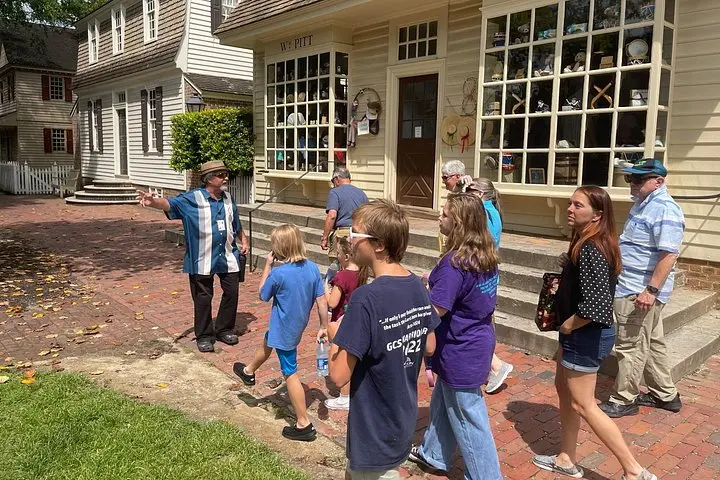
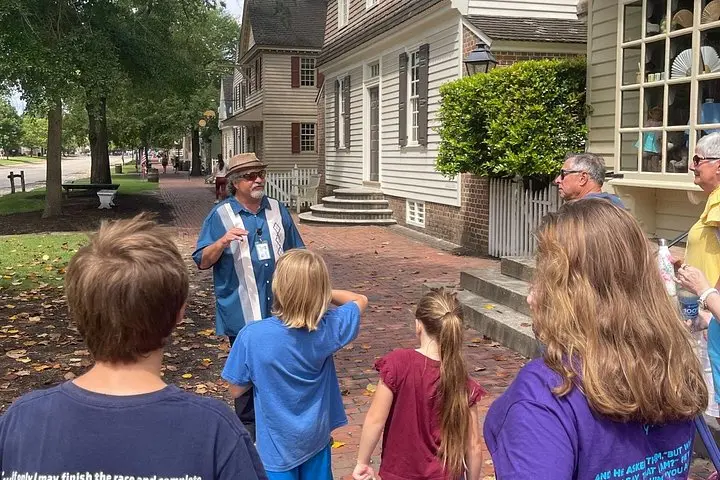
On this one-hour Patriots Tour you move from the capitol steps past the Raleigh Tavern, the gunpowder magazine, and the places where declarations and arguments were made aloud to neighbors. The guide strings clear 1770s chronology through buildings, markers, and surviving sightlines, giving context that would otherwise take days to assemble.
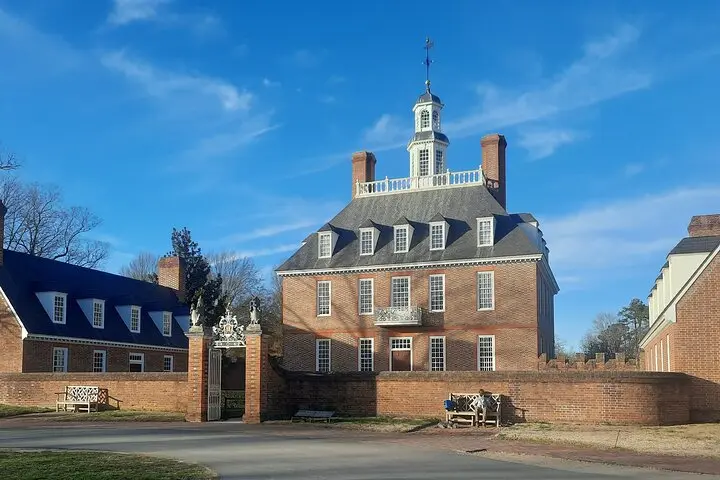
Colonial Williamsburg sits on Virginia’s low Coastal Plain—flat land, packed clay and tidal estuaries a short ride away—so the town’s layout and building materials reflect trade, timber, and a colonial economy tied to the water. The living-history restoration that began in the 20th century has repopulated these streets with period architecture and costumed interpretation, making politics and daily life of the era legible for modern visitors.
Practical details are straightforward: meet at the intersection of Duke of Gloucester and Blair streets; the tour ends at Bruton Parish Church. Expect roughly one hour of standing and walking on mostly level, hard-packed brick and stone; seating is limited. Wear supportive shoes, bring water and sun protection in summer, and a light rain layer in wet seasons. Questions are encouraged throughout, making this a sharp, conversational primer for anyone planning deeper exploration of Williamsburg’s museums and historic sites. This tour gives you the narrative that ties places to events—efficient, outdoors, and historically pointed.
The tour lasts about 60 minutes and covers a compact loop through the historic area—expect less than a mile of walking at an easy pace.
Yes; the tour is rated easy and wheelchair accessible routes are available, though some surfaces are uneven—contact the operator for specific accommodations.
No, this tour provides interpretation at outdoor sites and building exteriors; separate admission is required for some museum interiors and special attractions.
Tours may be canceled for severe weather; light rain usually won’t stop the guide, but check the operator’s cancellation policy and arrive prepared with rain gear.
Lonnie Sandifer Tours operates guided outdoor trips and adventures with an emphasis on safety, stewardship, and memorable experiences.
Morning light slips between restored brick facades as the guide waits on the west side of the Capitol, ready to set a brisk, focused pace through the streets where decisions that shaped a nation once unfolded.
Morning light slips between restored brick facades as the guide waits on the west side of the Capitol, ready to set a brisk, focused pace through the streets where decisions that shaped a nation once unfolded.
On this one-hour Patriots Tour you move from the capitol steps past the Raleigh Tavern, the gunpowder magazine, and the places where declarations and arguments were made aloud to neighbors. The guide strings clear 1770s chronology through buildings, markers, and surviving sightlines, giving context that would otherwise take days to assemble.
Colonial Williamsburg sits on Virginia’s low Coastal Plain—flat land, packed clay and tidal estuaries a short ride away—so the town’s layout and building materials reflect trade, timber, and a colonial economy tied to the water. The living-history restoration that began in the 20th century has repopulated these streets with period architecture and costumed interpretation, making politics and daily life of the era legible for modern visitors.
Practical details are straightforward: meet at the intersection of Duke of Gloucester and Blair streets; the tour ends at Bruton Parish Church. Expect roughly one hour of standing and walking on mostly level, hard-packed brick and stone; seating is limited. Wear supportive shoes, bring water and sun protection in summer, and a light rain layer in wet seasons. Questions are encouraged throughout, making this a sharp, conversational primer for anyone planning deeper exploration of Williamsburg’s museums and historic sites. This tour gives you the narrative that ties places to events—efficient, outdoors, and historically pointed.