THE ADVENTURE COLLECTIVE® · Independent discovery and booking for outdoor travel

Stroll the Philosopher’s Path and the gardens of Ginkakuji on a calm, 4-hour walking tour that emphasizes Zen aesthetics and seasonal foliage. Perfect for slow travelers who want quiet temples, mossy gardens, and local cafés.
Stroll the Philosopher’s Path and the gardens of Ginkakuji on a calm, 4-hour walking tour that emphasizes Zen aesthetics and seasonal foliage. Perfect for slow travelers who want quiet temples, mossy gardens, and local cafés.
A cool morning on the Philosopher’s Path feels like a slow exhale. You step from a quiet side street into a narrow canal lined with cherry trees; water threads through stone, nudging you forward while maple branches frame temple gates like careful hands. The guide keeps pace, pointing out mossy stones and the red-brick aqueduct of Nanzenji as the city’s commuter hum recedes.
Verified experiences and guided adventures in the surrounding area.
Operated by Reelu inc · Kyoto, Kyoto Prefecture
A cool morning on the Philosopher’s Path feels like a slow exhale. You step from a quiet side street into a narrow canal lined with cherry trees; water threads through stone, nudging you forward while maple branches frame temple gates like careful hands. The guide keeps pace, pointing out mossy stones and the red-brick aqueduct of Nanzenji as the city’s commuter hum recedes.
This walk threads several layers of Kyoto history: Nanzenji’s Meiji-era aqueduct and grand sanmon gate, the 15th-century Ginkakuji (Jisho-ji) with its refined dry garden, and the canal path that philosopher Nishida Kitaro favored in the 20th century. Geologically, the route sits on alluvial terraces of the Kamo River—low, well-drained ground that has supported gardens and temples for centuries. Culturally, the pace here is deliberate; small cafés, artisan shops and temple courtyards reward attention.
Expect paved stone walkways, short stair sections and 2 kilometers of gentle riverside trail between Nanzenji and Ginkakuji. The tour is calm rather than strenuous—designed for reflection and photography rather than speed—so bring layered clothing, a light rain jacket in spring and fall, and cash for tiny shops that still prefer coins.
Timing matters: cherry blossom season turns the canal into a tunnel of pale petals, while mid-November to early December makes maples glow. Arrive early to avoid tour bus crowds, observe temple etiquette (quiet voices, no tripods without permission), and keep to marked paths to protect moss and garden beds. This is a walking tour that rewards quiet attention: move slowly and Kyoto will reveal itself.
Yes—public notes indicate wheelchair and stroller accessibility, though some temple interiors may still have steps; contact the operator if full access is required.
Some stops list admission included (e.g., Ginkakuji and Nanzenji on certain itineraries), but optional entries like Eikando may require separate fees—confirm at booking.
This specific tour includes an English guide according to the listing; check availability for other languages when booking.
Cherry blossoms typically bloom in early April, while autumn foliage peaks mid-November to early December—exact timing varies by year and weather.
Reelu inc operates guided outdoor trips and adventures with an emphasis on safety, stewardship, and memorable experiences.
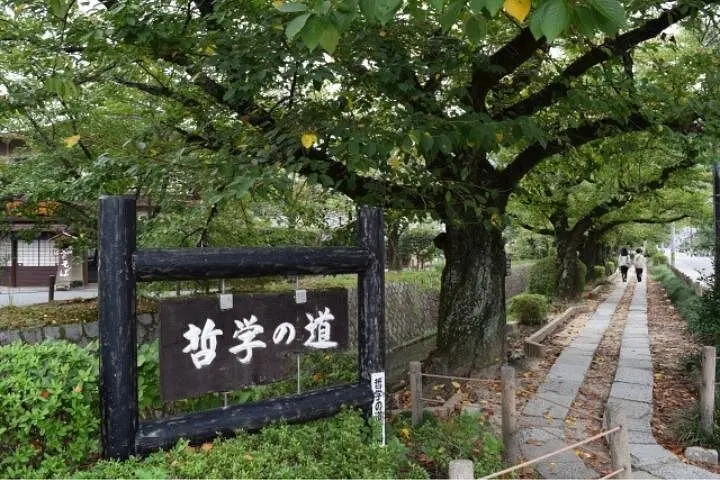
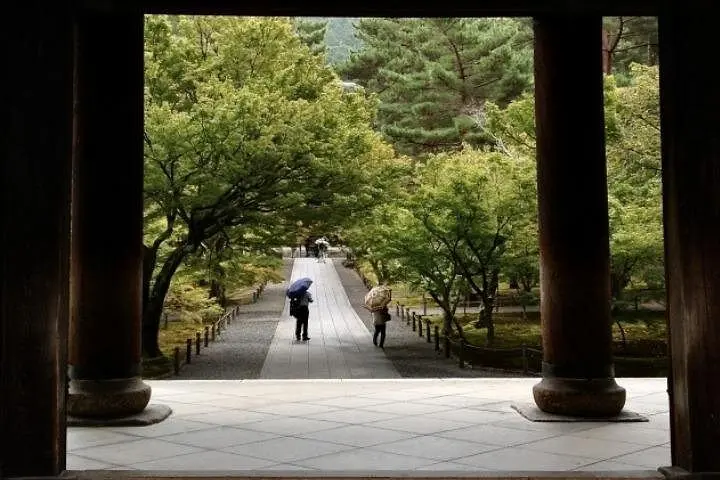
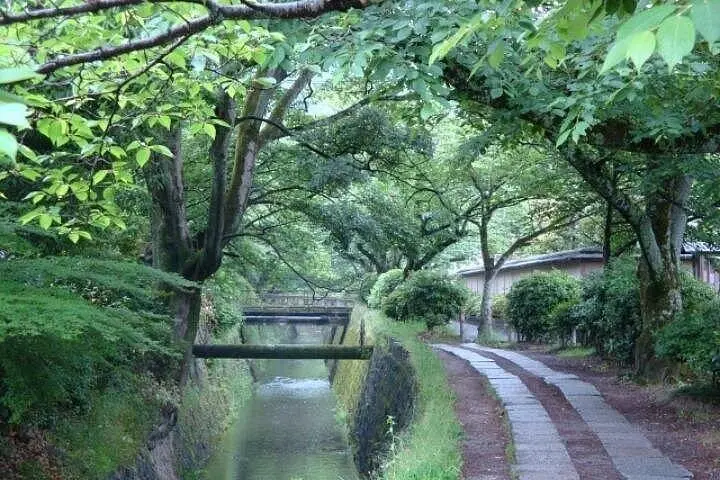
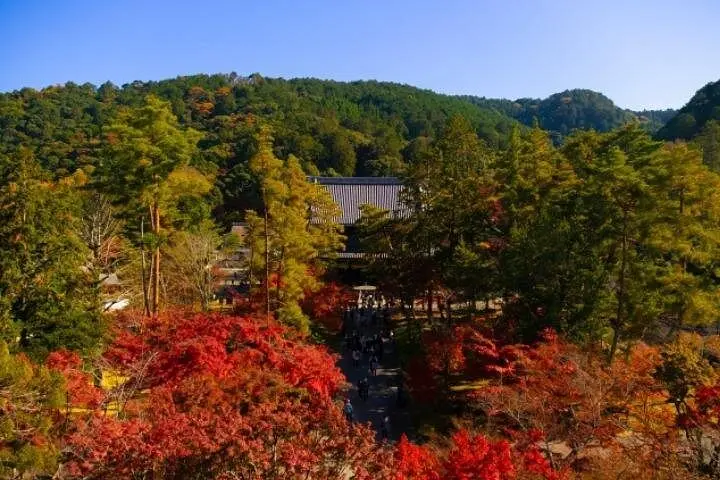
A cool morning on the Philosopher’s Path feels like a slow exhale. You step from a quiet side street into a narrow canal lined with cherry trees; water threads through stone, nudging you forward while maple branches frame temple gates like careful hands. The guide keeps pace, pointing out mossy stones and the red-brick aqueduct of Nanzenji as the city’s commuter hum recedes.
A cool morning on the Philosopher’s Path feels like a slow exhale. You step from a quiet side street into a narrow canal lined with cherry trees; water threads through stone, nudging you forward while maple branches frame temple gates like careful hands. The guide keeps pace, pointing out mossy stones and the red-brick aqueduct of Nanzenji as the city’s commuter hum recedes.
This walk threads several layers of Kyoto history: Nanzenji’s Meiji-era aqueduct and grand sanmon gate, the 15th-century Ginkakuji (Jisho-ji) with its refined dry garden, and the canal path that philosopher Nishida Kitaro favored in the 20th century. Geologically, the route sits on alluvial terraces of the Kamo River—low, well-drained ground that has supported gardens and temples for centuries. Culturally, the pace here is deliberate; small cafés, artisan shops and temple courtyards reward attention.
Expect paved stone walkways, short stair sections and 2 kilometers of gentle riverside trail between Nanzenji and Ginkakuji. The tour is calm rather than strenuous—designed for reflection and photography rather than speed—so bring layered clothing, a light rain jacket in spring and fall, and cash for tiny shops that still prefer coins.
Timing matters: cherry blossom season turns the canal into a tunnel of pale petals, while mid-November to early December makes maples glow. Arrive early to avoid tour bus crowds, observe temple etiquette (quiet voices, no tripods without permission), and keep to marked paths to protect moss and garden beds. This is a walking tour that rewards quiet attention: move slowly and Kyoto will reveal itself.