THE ADVENTURE COLLECTIVE® · Independent discovery and booking for outdoor travel

A 10‑day trek through the Accursed Mountains connecting Theth, Valbona and other high villages across Albania, Montenegro and Kosovo. Expect long days on mixed terrain, simple guesthouse stays, and dramatic limestone ridgelines.
A 10‑day trek through the Accursed Mountains connecting Theth, Valbona and other high villages across Albania, Montenegro and Kosovo. Expect long days on mixed terrain, simple guesthouse stays, and dramatic limestone ridgelines.
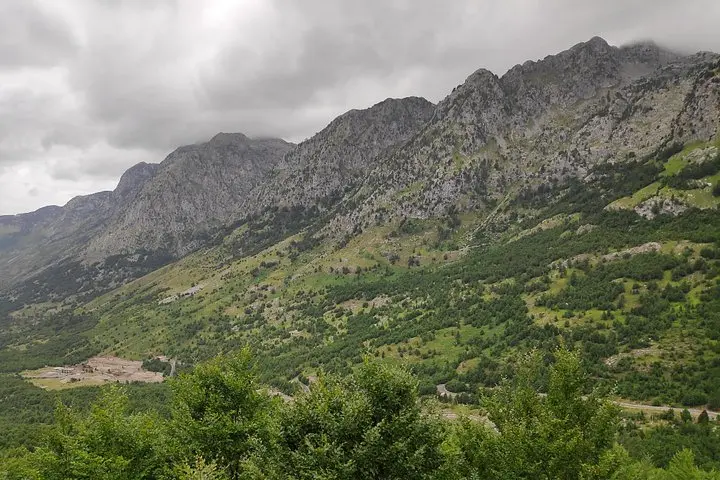
You set out before dawn; mist hangs low in the narrow valley and a limestone ridge ahead dares you to climb. The Peaks of the Balkans route threads high pastures, stone shepherd huts, and switchbacks carved between sharp karst ridgelines, moving from Theth to Valbona and onward through Albania, Montenegro and Kosovo.
Verified experiences and guided adventures in the surrounding area.
Operated by Smart Tour Albania · Theth, Shkodër County
You set out before dawn; mist hangs low in the narrow valley and a limestone ridge ahead dares you to climb. The Peaks of the Balkans route threads high pastures, stone shepherd huts, and switchbacks carved between sharp karst ridgelines, moving from Theth to Valbona and onward through Albania, Montenegro and Kosovo.
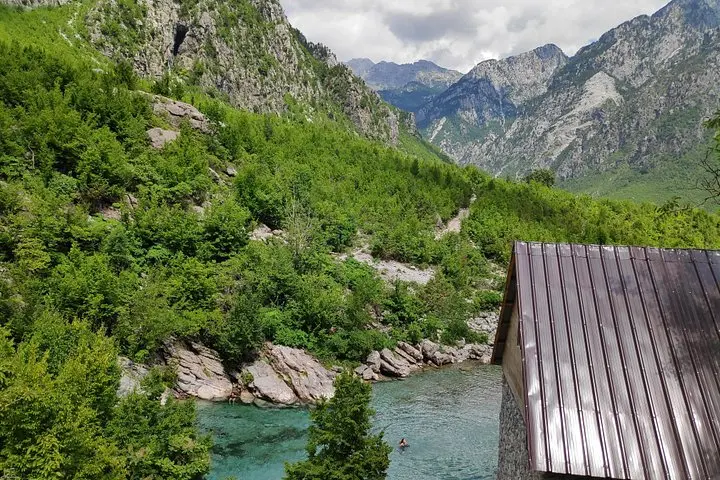
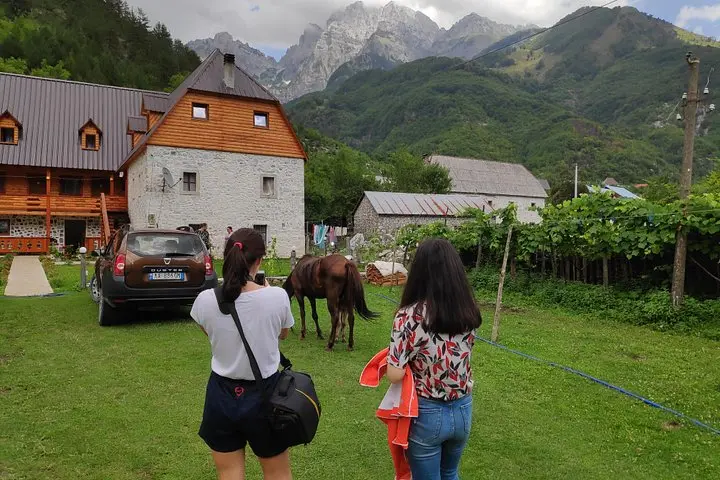
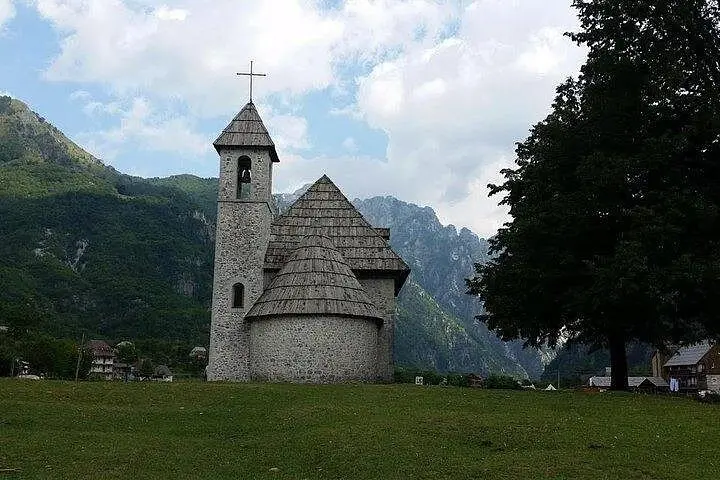
This is an ancient landscape shaped by tectonic collision and glacial sculpting: steep limestone faces, deep river gorges, and rounded summits that retain summer snow. Villages along the way preserve a living culture — stone Kullas, wood-fired cooking and hospitality from families who still raise sheep and harvest mountain herbs.
Expect long walking days on mixed terrain: rocky tracks, narrow footpaths, occasional scree and grassy cols. Many stages are moderate but sustained, with daily distances of 13–27 km and 500–1,200 m of cumulative ascent on some sections. Accommodation is communal and local — guesthouses and mountain lodges where hosts serve homemade cuisine and share regional stories.
Practical guidance: plan for variable weather, start early to avoid afternoon storms, and ration water in exposed stretches. Pack layered insulation, sturdy boots with grippy soles, and a lightweight rain system. Navigation is generally waymarked but download offline maps and carry a power bank — phone signals are intermittent. Border crossings are on-trail; carry ID and check visa requirements beforehand. Move at a steady pace, respect pastureland and local customs, and leave no trace in fragile alpine meadows. The route rewards patience: sweeping panoramas, unexpected limestone windows, and evenings spent in small kitchens where the mountains feel present and tactile.
You may cross borders between Albania, Montenegro and Kosovo; carry a valid passport and check visa requirements for each country well before travel.
The trek is rated moderate with sustained daily distances and elevation gain—regular hikers with good endurance will be comfortable.
Most itineraries use local guesthouses and mountain lodges; expect shared rooms or private rooms depending on availability and bookings.
Waymarking exists but can be inconsistent; bring offline maps, a GPS app and a backup battery in case signage is missing.
Smart Tour Albania operates guided outdoor trips and adventures with an emphasis on safety, stewardship, and memorable experiences.
You set out before dawn; mist hangs low in the narrow valley and a limestone ridge ahead dares you to climb. The Peaks of the Balkans route threads high pastures, stone shepherd huts, and switchbacks carved between sharp karst ridgelines, moving from Theth to Valbona and onward through Albania, Montenegro and Kosovo.
You set out before dawn; mist hangs low in the narrow valley and a limestone ridge ahead dares you to climb. The Peaks of the Balkans route threads high pastures, stone shepherd huts, and switchbacks carved between sharp karst ridgelines, moving from Theth to Valbona and onward through Albania, Montenegro and Kosovo.
This is an ancient landscape shaped by tectonic collision and glacial sculpting: steep limestone faces, deep river gorges, and rounded summits that retain summer snow. Villages along the way preserve a living culture — stone Kullas, wood-fired cooking and hospitality from families who still raise sheep and harvest mountain herbs.
Expect long walking days on mixed terrain: rocky tracks, narrow footpaths, occasional scree and grassy cols. Many stages are moderate but sustained, with daily distances of 13–27 km and 500–1,200 m of cumulative ascent on some sections. Accommodation is communal and local — guesthouses and mountain lodges where hosts serve homemade cuisine and share regional stories.
Practical guidance: plan for variable weather, start early to avoid afternoon storms, and ration water in exposed stretches. Pack layered insulation, sturdy boots with grippy soles, and a lightweight rain system. Navigation is generally waymarked but download offline maps and carry a power bank — phone signals are intermittent. Border crossings are on-trail; carry ID and check visa requirements beforehand. Move at a steady pace, respect pastureland and local customs, and leave no trace in fragile alpine meadows. The route rewards patience: sweeping panoramas, unexpected limestone windows, and evenings spent in small kitchens where the mountains feel present and tactile.