THE ADVENTURE COLLECTIVE® · Independent discovery and booking for outdoor travel

Visit the USS Arizona Memorial and then circle Oahu in one long, revealing day. This full-day tour mixes solemn history at Pearl Harbor with coastal drives, local farms, and North Shore food stops.
Visit the USS Arizona Memorial and then circle Oahu in one long, revealing day. This full-day tour mixes solemn history at Pearl Harbor with coastal drives, local farms, and North Shore food stops.
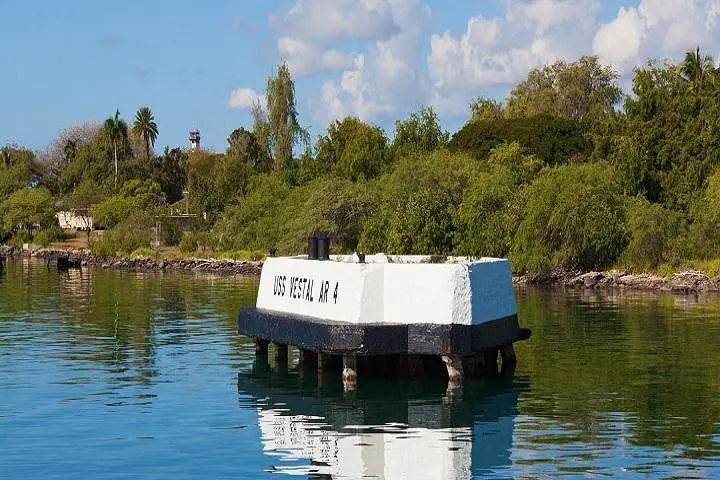
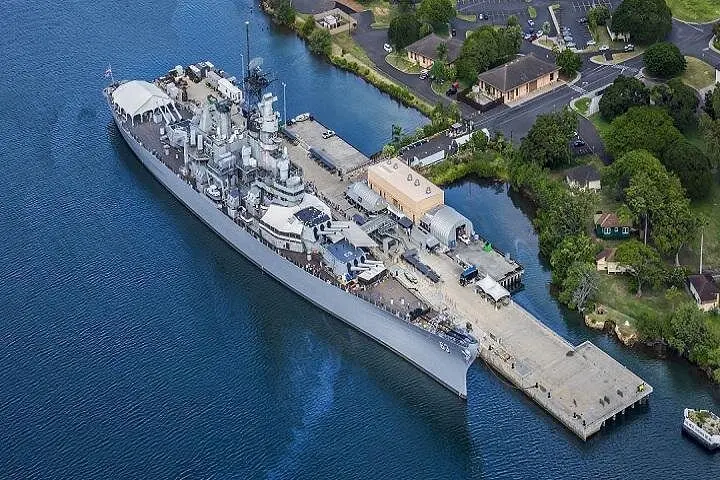
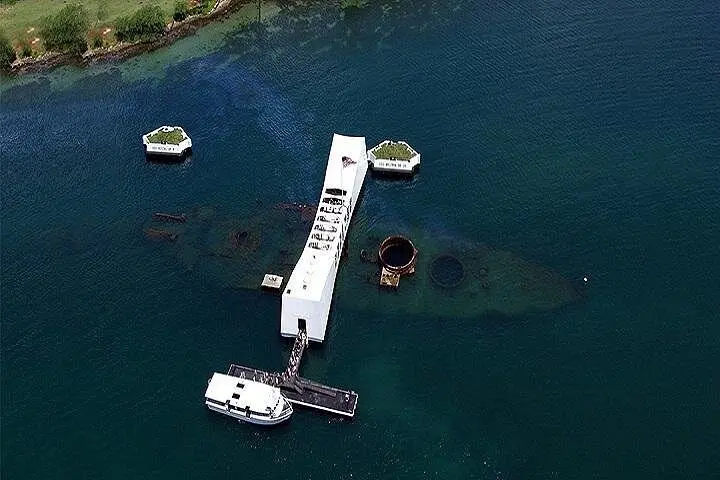
A low-slung dawn on Oahu spreads light over calm navy water as the bus pulls into the Pearl Harbor Visitor Center. Visitors step from an air-conditioned vehicle into a landscape where concrete and ocean meet history: the white span of the USS Arizona Memorial hovering above the ship’s remains, the hush of visitors and the soft, oily glints on the water known as the “Tears of the Arizona.”
Verified experiences and guided adventures in the surrounding area.
Operated by Aloha Sunshine Tours · Honolulu, Hawaii
A low-slung dawn on Oahu spreads light over calm navy water as the bus pulls into the Pearl Harbor Visitor Center. Visitors step from an air-conditioned vehicle into a landscape where concrete and ocean meet history: the white span of the USS Arizona Memorial hovering above the ship’s remains, the hush of visitors and the soft, oily glints on the water known as the “Tears of the Arizona.”
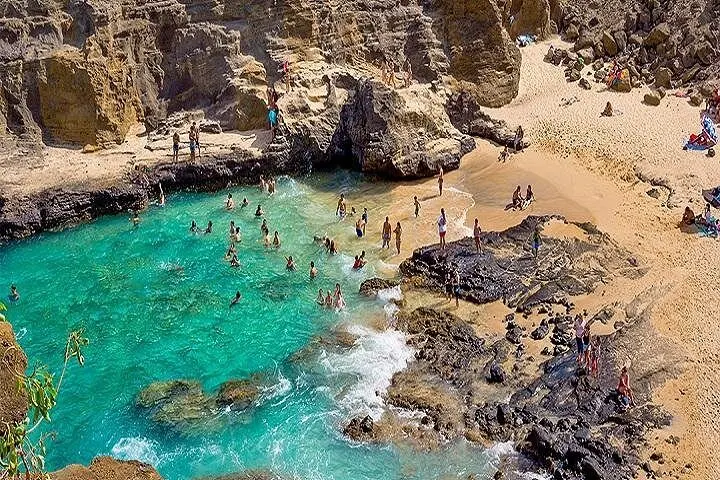
The day moves from solemn reflection to wide-open coastlines. Guides thread history—Dec. 7, 1941 and its global consequences—into context about Hawaiian settlement, plantation-era agriculture and the volcanic forces that raised the Koʻolau Range. Geology shows in the jagged cliffs and the offshore islets at Kaneʻohe; culture appears in shrimp trucks and small farm stands that keep island foodways alive.
Practically, this is a long day: expect 9–10 hours including a short Navy boat ride to the memorial, museum exhibits, and multiple stops around the island’s windward and north shores. Comfortable shoes and sun protection matter more than technical gear; there’s walking on museum ramps, short strolls on park paths, and time to sample local plates in Haleʻiwa.
Timing matters—mornings are best for calmer harbor visits and lighter traffic. Respectful silence is requested at the memorial; bags are restricted and may be stored. Bring cash for roadside vendors, hydrate often, and save room for a garlic-shrimp plate on the North Shore. The tour is a concentrated way to see Oahu’s history, coastlines, and local flavors in a single, full day.
Yes—admission and the Navy boat ride to the USS Arizona Memorial are provided by the tour operator and distributed by your guide on the morning of the tour.
No—meals are at your own expense; the itinerary includes a planned stop at popular food trucks and local eateries where you can purchase lunch.
Purses and bags are not allowed inside the USS Arizona Memorial; clear plastic bags may be permitted in other areas and paid storage is available on site.
The tour is described as physically easy and suitable for most, but it is not recommended for people who cannot walk the equivalent of four city blocks; contact the operator about mobility accommodations.
Aloha Sunshine Tours operates guided outdoor trips and adventures with an emphasis on safety, stewardship, and memorable experiences.
A low-slung dawn on Oahu spreads light over calm navy water as the bus pulls into the Pearl Harbor Visitor Center. Visitors step from an air-conditioned vehicle into a landscape where concrete and ocean meet history: the white span of the USS Arizona Memorial hovering above the ship’s remains, the hush of visitors and the soft, oily glints on the water known as the “Tears of the Arizona.”
A low-slung dawn on Oahu spreads light over calm navy water as the bus pulls into the Pearl Harbor Visitor Center. Visitors step from an air-conditioned vehicle into a landscape where concrete and ocean meet history: the white span of the USS Arizona Memorial hovering above the ship’s remains, the hush of visitors and the soft, oily glints on the water known as the “Tears of the Arizona.”
The day moves from solemn reflection to wide-open coastlines. Guides thread history—Dec. 7, 1941 and its global consequences—into context about Hawaiian settlement, plantation-era agriculture and the volcanic forces that raised the Koʻolau Range. Geology shows in the jagged cliffs and the offshore islets at Kaneʻohe; culture appears in shrimp trucks and small farm stands that keep island foodways alive.
Practically, this is a long day: expect 9–10 hours including a short Navy boat ride to the memorial, museum exhibits, and multiple stops around the island’s windward and north shores. Comfortable shoes and sun protection matter more than technical gear; there’s walking on museum ramps, short strolls on park paths, and time to sample local plates in Haleʻiwa.
Timing matters—mornings are best for calmer harbor visits and lighter traffic. Respectful silence is requested at the memorial; bags are restricted and may be stored. Bring cash for roadside vendors, hydrate often, and save room for a garlic-shrimp plate on the North Shore. The tour is a concentrated way to see Oahu’s history, coastlines, and local flavors in a single, full day.