THE ADVENTURE COLLECTIVE® · Independent discovery and booking for outdoor travel

Visit the USS Arizona Memorial and then tour historic Honolulu on a single day from Kona. This guided trip combines a contemplative boat crossing, museum exhibits, and narrated stops at Punchbowl, Iolani Palace, and Kawaiaheaʻo Church.
Visit the USS Arizona Memorial and then tour historic Honolulu on a single day from Kona. This guided trip combines a contemplative boat crossing, museum exhibits, and narrated stops at Punchbowl, Iolani Palace, and Kawaiaheaʻo Church.
You step off the shuttle into a harbor that holds the weight of history—water lapping quietly against concrete piers, the white form of the USS Arizona Memorial hovering above a dark outline in the bay.
Verified experiences and guided adventures in the surrounding area.
Operated by Aloha Sunshine Tours · Honolulu, Hawaii
You step off the shuttle into a harbor that holds the weight of history—water lapping quietly against concrete piers, the white form of the USS Arizona Memorial hovering above a dark outline in the bay.
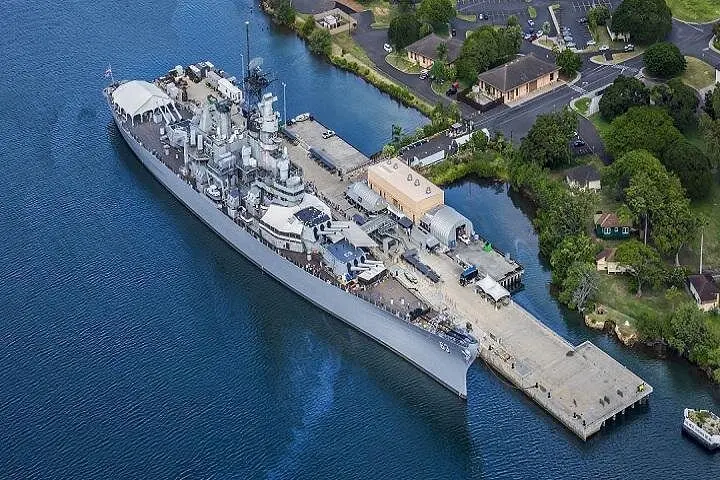
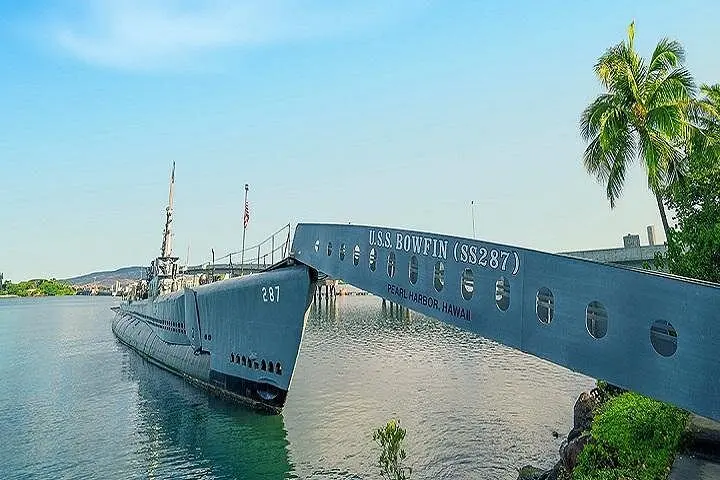
The morning begins at the Pearl Harbor Visitor Center with exhibits and a 23‑minute film that frame December 7, 1941, not as an isolated moment but as a turning point in Pacific history. A short U.S. Navy boat ride crosses calm water to the open‑air memorial where names on a remembrance wall draw the eye and the mind. The shoreline and naval facilities nearby remind visitors of the harbor’s continued strategic role.
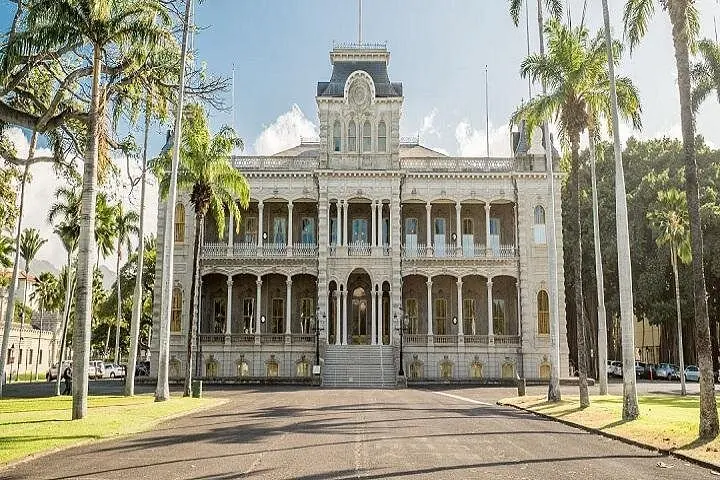
Beyond the memorial, the drive through Honolulu shifts gears: Punchbowl Crater (a volcanic tuff cone) keeps watch over the National Memorial Cemetery of the Pacific; Iolani Palace and Kawaiahao Church show the arc of Hawaiian governance and missionary influence; the King Kamehameha statue marks a chapter of consolidation and sovereignty.
Expect clear narration from a local guide, stoic places that demand quiet, and compact walking between stops. The tour balances museum time, a contemplative boat crossing, and a city drive that connects geology, monarchy, and wartime memory.
Practicalities: wear comfortable walking shoes, bring photo ID (required for some entry), and carry only approved clear bags or leave personal bags in paid storage. Mornings are cooler and less crowded—timing matters for both comfort and the mood of the sites. Respectful silence is requested on the memorial; plan for food on your own after the visit.
Large purses and bags are restricted; clear plastic bags are permitted and paid short‑term storage is available for larger bags on site.
The U.S. Navy boat crossing is about 10 minutes each way and is generally calm under normal weather conditions.
Yes; the tour is rated easy and suitable for most fitness levels, though it involves some walking and stairs to board the boat—infant seats are available.
Photography is allowed, but visitors are asked to be respectful and refrain from disruptive behavior; some exhibits may restrict flash photography.
Aloha Sunshine Tours operates guided outdoor trips and adventures with an emphasis on safety, stewardship, and memorable experiences.
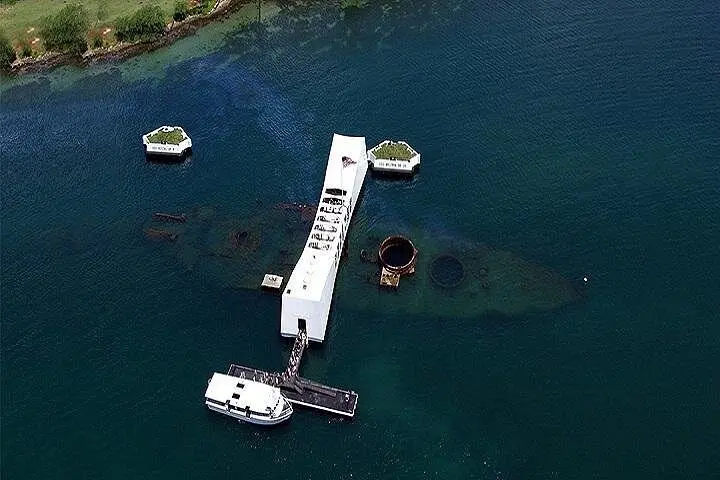
You step off the shuttle into a harbor that holds the weight of history—water lapping quietly against concrete piers, the white form of the USS Arizona Memorial hovering above a dark outline in the bay.
You step off the shuttle into a harbor that holds the weight of history—water lapping quietly against concrete piers, the white form of the USS Arizona Memorial hovering above a dark outline in the bay.
The morning begins at the Pearl Harbor Visitor Center with exhibits and a 23‑minute film that frame December 7, 1941, not as an isolated moment but as a turning point in Pacific history. A short U.S. Navy boat ride crosses calm water to the open‑air memorial where names on a remembrance wall draw the eye and the mind. The shoreline and naval facilities nearby remind visitors of the harbor’s continued strategic role.
Beyond the memorial, the drive through Honolulu shifts gears: Punchbowl Crater (a volcanic tuff cone) keeps watch over the National Memorial Cemetery of the Pacific; Iolani Palace and Kawaiahao Church show the arc of Hawaiian governance and missionary influence; the King Kamehameha statue marks a chapter of consolidation and sovereignty.
Expect clear narration from a local guide, stoic places that demand quiet, and compact walking between stops. The tour balances museum time, a contemplative boat crossing, and a city drive that connects geology, monarchy, and wartime memory.
Practicalities: wear comfortable walking shoes, bring photo ID (required for some entry), and carry only approved clear bags or leave personal bags in paid storage. Mornings are cooler and less crowded—timing matters for both comfort and the mood of the sites. Respectful silence is requested on the memorial; plan for food on your own after the visit.