THE ADVENTURE COLLECTIVE® · Independent discovery and booking for outdoor travel

Visit two of Pearl Harbor’s defining sites in one guided outing: the USS Arizona Memorial’s solemn boat approach and the towering decks of the USS Missouri where WWII ended. This practical guide covers what you’ll see, the history beneath the water, and how to prepare for a 6–7 hour shore excursion from Waikiki.
Visit two of Pearl Harbor’s defining sites in one guided outing: the USS Arizona Memorial’s solemn boat approach and the towering decks of the USS Missouri where WWII ended. This practical guide covers what you’ll see, the history beneath the water, and how to prepare for a 6–7 hour shore excursion from Waikiki.
You arrive before the heat of the day, the harbor water flat and gray, the outline of Ford Island cutting a low silhouette against the sky. Voices fall quiet as the boat nudges the USS Arizona Memorial — a low, white structure hovering over a dark slab of steel beneath the surface. The site reads like a pause between two bookends of the Pacific war: the Arizona's shattered hull below and the Missouri's polished decks where surrender was signed.
Verified experiences and guided adventures in the surrounding area.
Operated by Karma Tour Hawaii · Honolulu, Hawaii
You arrive before the heat of the day, the harbor water flat and gray, the outline of Ford Island cutting a low silhouette against the sky. Voices fall quiet as the boat nudges the USS Arizona Memorial — a low, white structure hovering over a dark slab of steel beneath the surface. The site reads like a pause between two bookends of the Pacific war: the Arizona's shattered hull below and the Missouri's polished decks where surrender was signed.
History is immediate here. December 7, 1941 changed the United States and Hawaii forever; the Arizona holds 1,177 sailors and Marines as a war grave while the Missouri staged Japan’s formal surrender in 1945. Geologically, the harbor sits amid the Honolulu volcanic field; nearby Punchbowl Crater is an extinct tuff cone formed by explosive steam-driven eruptions, a sharp counterpoint to the smooth lagoon waters. Local culture layers on—Native Hawaiian perspectives on land and loss and the long presence of the U.S. Navy—seen in quiet memorial rituals and interpretive exhibits.
Practical guidance: tours run roughly 6–7 hours from Waikiki with hotel pickup; expect guided briefings, a short film, a security screening, and the required boat transfer to the Arizona. No large bags are allowed; bring sun protection, comfortable shoes for walking and ship ladders, and water. Respect the memorial rules, arrive early to avoid crowds, and allow time to visit the Battleship Missouri’s decks — the view across the harbor reframes what you just experienced below the water.
Only very small bags meeting strict dimensions are permitted at Pearl Harbor; larger bags must be left behind—travel light.
The memorial and boat ride accommodate many mobility needs, but check with the operator about specific accessibility services and vehicle limitations.
Expect roughly 2 hours at the Arizona area (including film and boat) and about 2 hours aboard the Battleship Missouri, with travel and briefing filling the remainder.
Photography is allowed at most locations but observe restricted areas and rules around the Arizona memorial and any signage requesting respectful behavior.
Karma Tour Hawaii operates guided outdoor trips and adventures with an emphasis on safety, stewardship, and memorable experiences.
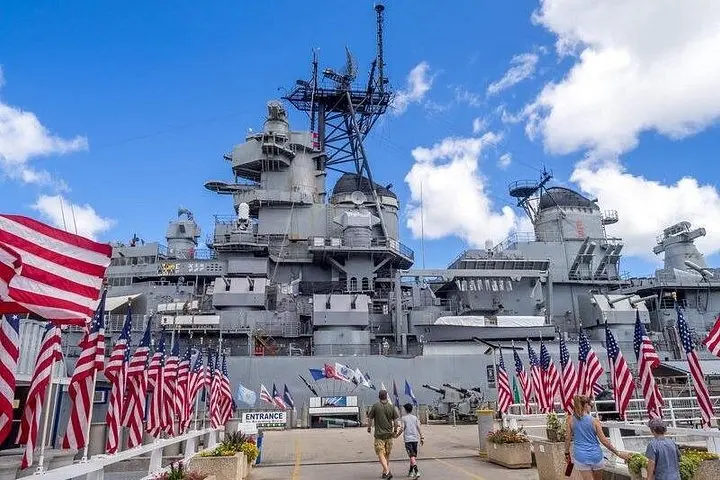
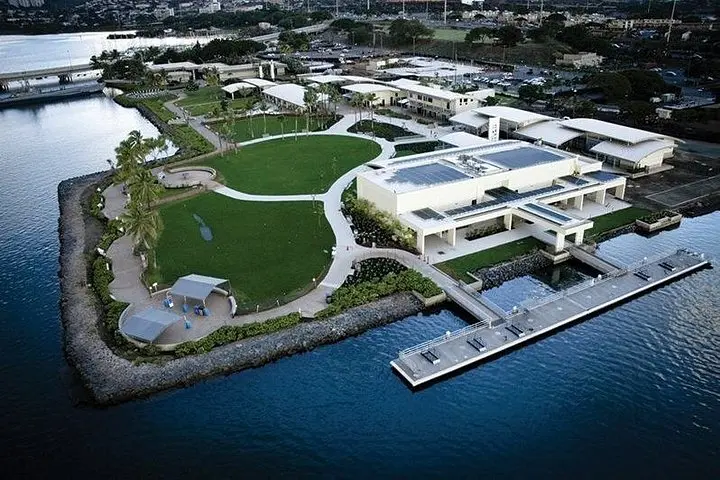
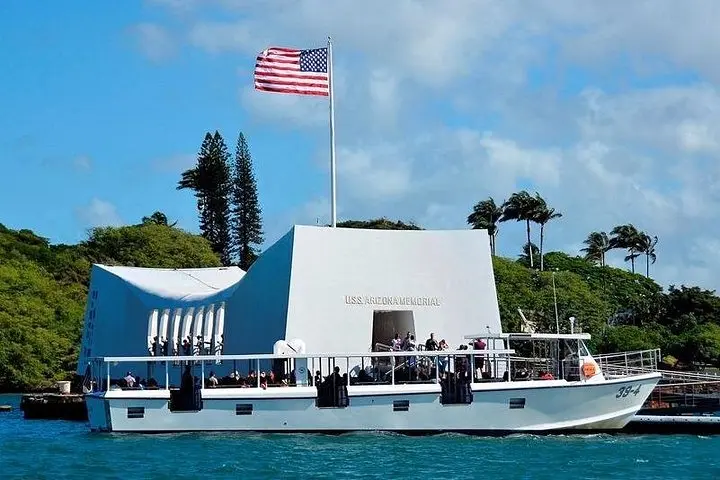
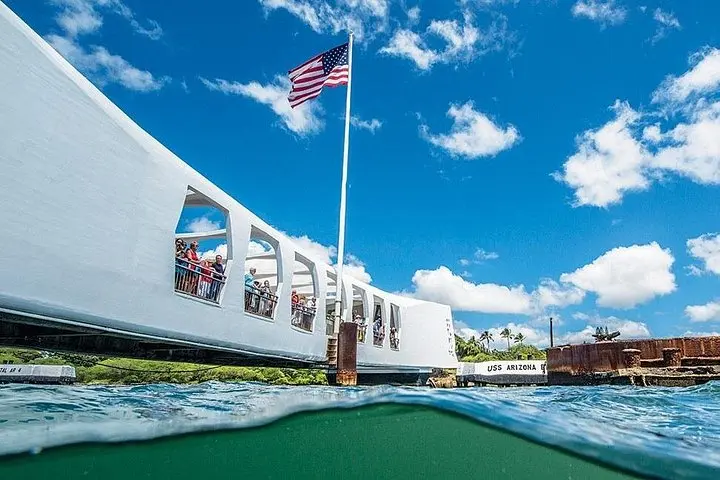
You arrive before the heat of the day, the harbor water flat and gray, the outline of Ford Island cutting a low silhouette against the sky. Voices fall quiet as the boat nudges the USS Arizona Memorial — a low, white structure hovering over a dark slab of steel beneath the surface. The site reads like a pause between two bookends of the Pacific war: the Arizona's shattered hull below and the Missouri's polished decks where surrender was signed.
You arrive before the heat of the day, the harbor water flat and gray, the outline of Ford Island cutting a low silhouette against the sky. Voices fall quiet as the boat nudges the USS Arizona Memorial — a low, white structure hovering over a dark slab of steel beneath the surface. The site reads like a pause between two bookends of the Pacific war: the Arizona's shattered hull below and the Missouri's polished decks where surrender was signed.
History is immediate here. December 7, 1941 changed the United States and Hawaii forever; the Arizona holds 1,177 sailors and Marines as a war grave while the Missouri staged Japan’s formal surrender in 1945. Geologically, the harbor sits amid the Honolulu volcanic field; nearby Punchbowl Crater is an extinct tuff cone formed by explosive steam-driven eruptions, a sharp counterpoint to the smooth lagoon waters. Local culture layers on—Native Hawaiian perspectives on land and loss and the long presence of the U.S. Navy—seen in quiet memorial rituals and interpretive exhibits.
Practical guidance: tours run roughly 6–7 hours from Waikiki with hotel pickup; expect guided briefings, a short film, a security screening, and the required boat transfer to the Arizona. No large bags are allowed; bring sun protection, comfortable shoes for walking and ship ladders, and water. Respect the memorial rules, arrive early to avoid crowds, and allow time to visit the Battleship Missouri’s decks — the view across the harbor reframes what you just experienced below the water.