THE ADVENTURE COLLECTIVE® · Independent discovery and booking for outdoor travel

Begin at the Arizona Memorial and continue around Oahu on an eight-hour loop that pairs Pearl Harbor’s history with coastal lookouts, North Shore surf culture, and the Dole Plantation. Practical details, museum restrictions, and best-times advice included.
Begin at the Arizona Memorial and continue around Oahu on an eight-hour loop that pairs Pearl Harbor’s history with coastal lookouts, North Shore surf culture, and the Dole Plantation. Practical details, museum restrictions, and best-times advice included.
You step off the coach into a humid Hawaiian morning and the harbor meets you first — placid water lapping against concrete, gray monuments rising from blue. The Pearl Harbor Visitor Center has a hush that feels both official and intimate: people moving toward the Arizona Memorial, the bronze plaques, the quiet honesty of names carved in stone. This tour stitches that solemn opening to a full-loop of Oahu, trading the gravity of wartime memory for the island’s volcanic ridgelines, surf-scored north shores, and pineapple fields.
Verified experiences and guided adventures in the surrounding area.
Operated by Hawaii Luxury Travel Concierge and Limousines LLC · Honolulu, Hawaii
You step off the coach into a humid Hawaiian morning and the harbor meets you first — placid water lapping against concrete, gray monuments rising from blue. The Pearl Harbor Visitor Center has a hush that feels both official and intimate: people moving toward the Arizona Memorial, the bronze plaques, the quiet honesty of names carved in stone. This tour stitches that solemn opening to a full-loop of Oahu, trading the gravity of wartime memory for the island’s volcanic ridgelines, surf-scored north shores, and pineapple fields.
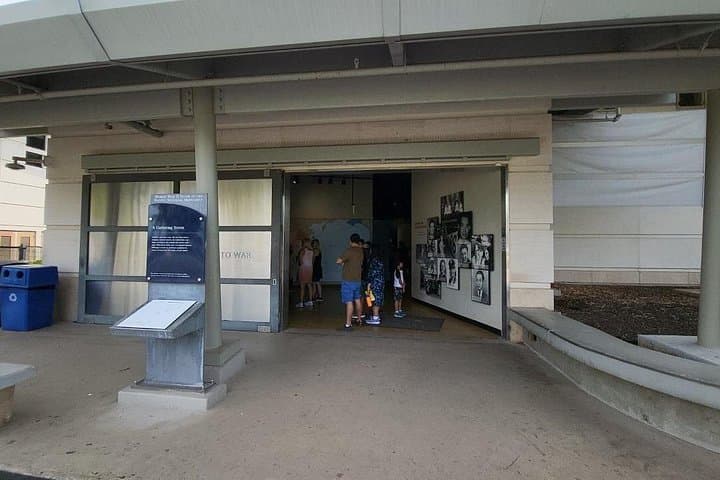
The day begins with context: two small museums at Pearl Harbor — “Road to War” and “Attack” — that frame the strategic calculus and human cost of December 7, 1941. Walking past the exhibits, you get more than dates; you see logistics: the harbor’s natural protection that once made it a Pacific powerhouse. From there the tour pushes into Honolulu’s civic heart — ʻIolani Palace, the King Kamehameha statue, and Kawaiahaʻo Church — each site a chapter in the story of Hawaii’s monarchy, missionary era, and eventual statehood.
Beyond history, the island’s geology announces itself. The drive around Oahu is roughly 120 miles and crosses ancient lava flows, coral cliffs, and eroded calderas. On the North Shore, reef shelves sculpt waves that decide where surfers will take their chances; in the central plains the Dole Plantation still recalls the island’s plantation economy, pineapple fields giving way now to tourism and small farms.
Local culture threads through the route: plate-lunch joints on the North Shore, shave ice stands, and Haleiwa’s surf-town vibe. Guides often point out lesser-known cultural markers — family taro patches, roadside stalls, and the way fishponds on the leeward coast shaped early Hawaiian aquaculture.
Practical notes: the tour runs about eight hours and includes hotel or port pickup in Waikiki, an air-conditioned vehicle, bottled water, and a snack. Arizona Memorial boat tickets may be subject to Navy scheduling or weather cancellation; the tour operator will rework timing if federal ticket availability changes. Important: no bags of any kind are permitted into the visitor center — clear bags only for medications or infant needs — and bag storage at the site is limited and may incur fees.
For a smooth day, arrive prepared: wear sun protection, comfortable walking shoes for short museum and memorial strolls, and bring a charged phone for photos and navigation. Expect traffic delays at peak hours; the loop can feel long but is paced with multiple stopovers for views and food. This is a tour that balances reverence with island-wide context — it lets the harbor's silence settle, then nudges you out to see the resilient, living places that grew from the events memorialized there.
The tour includes access attempts to Pearl Harbor attractions, but Arizona Memorial shuttle operation is controlled by the U.S. Navy and may be rescheduled or canceled; the operator will use NPS standby procedures if direct tickets aren’t available.
No—bags of any size are prohibited inside the Visitor Center; clear bags for medication or infant supplies are permitted.
Pickup is available from Waikiki hotels, Honolulu port, or Daniel K. Inouye International Airport; drop-off returns to the original pickup location.
Lunch is not included; the itinerary includes a non-hosted lunch stop at a North Shore restaurant where you can buy local dishes.
Yes—infants must sit on an adult’s lap. Service animals are allowed, but the tour is not wheelchair accessible due to vehicle constraints.
If the Navy cancels the shuttle, the operator will adjust the schedule; refunds aren’t provided for Navy-driven cancellations, so flexibility is required.
Hawaii Luxury Travel Concierge and Limousines LLC operates guided outdoor trips and adventures with an emphasis on safety, stewardship, and memorable experiences.
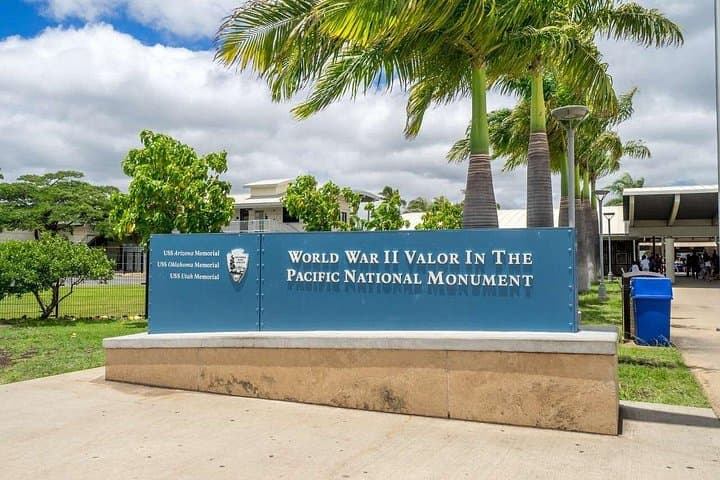
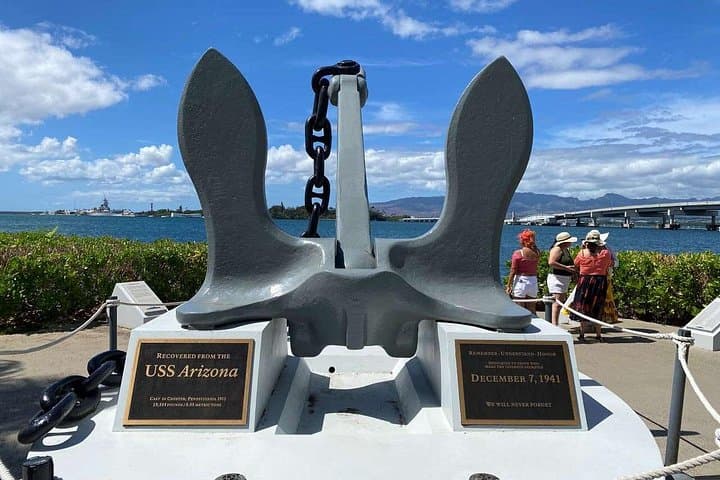
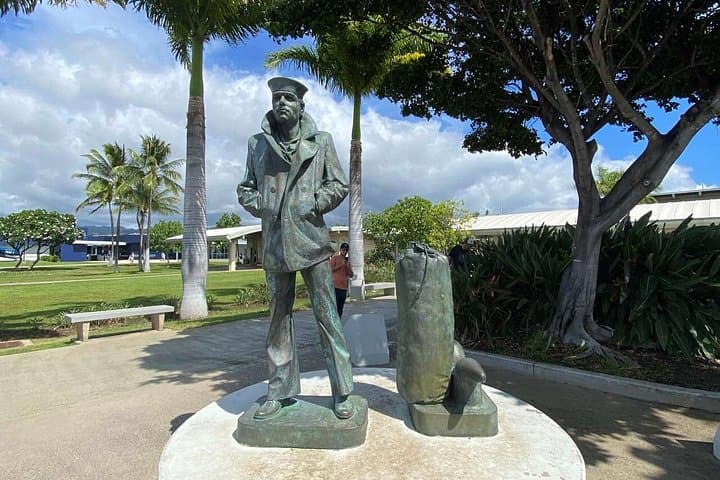
You step off the coach into a humid Hawaiian morning and the harbor meets you first — placid water lapping against concrete, gray monuments rising from blue. The Pearl Harbor Visitor Center has a hush that feels both official and intimate: people moving toward the Arizona Memorial, the bronze plaques, the quiet honesty of names carved in stone. This tour stitches that solemn opening to a full-loop of Oahu, trading the gravity of wartime memory for the island’s volcanic ridgelines, surf-scored north shores, and pineapple fields.
You step off the coach into a humid Hawaiian morning and the harbor meets you first — placid water lapping against concrete, gray monuments rising from blue. The Pearl Harbor Visitor Center has a hush that feels both official and intimate: people moving toward the Arizona Memorial, the bronze plaques, the quiet honesty of names carved in stone. This tour stitches that solemn opening to a full-loop of Oahu, trading the gravity of wartime memory for the island’s volcanic ridgelines, surf-scored north shores, and pineapple fields.
The day begins with context: two small museums at Pearl Harbor — “Road to War” and “Attack” — that frame the strategic calculus and human cost of December 7, 1941. Walking past the exhibits, you get more than dates; you see logistics: the harbor’s natural protection that once made it a Pacific powerhouse. From there the tour pushes into Honolulu’s civic heart — ʻIolani Palace, the King Kamehameha statue, and Kawaiahaʻo Church — each site a chapter in the story of Hawaii’s monarchy, missionary era, and eventual statehood.
Beyond history, the island’s geology announces itself. The drive around Oahu is roughly 120 miles and crosses ancient lava flows, coral cliffs, and eroded calderas. On the North Shore, reef shelves sculpt waves that decide where surfers will take their chances; in the central plains the Dole Plantation still recalls the island’s plantation economy, pineapple fields giving way now to tourism and small farms.
Local culture threads through the route: plate-lunch joints on the North Shore, shave ice stands, and Haleiwa’s surf-town vibe. Guides often point out lesser-known cultural markers — family taro patches, roadside stalls, and the way fishponds on the leeward coast shaped early Hawaiian aquaculture.
Practical notes: the tour runs about eight hours and includes hotel or port pickup in Waikiki, an air-conditioned vehicle, bottled water, and a snack. Arizona Memorial boat tickets may be subject to Navy scheduling or weather cancellation; the tour operator will rework timing if federal ticket availability changes. Important: no bags of any kind are permitted into the visitor center — clear bags only for medications or infant needs — and bag storage at the site is limited and may incur fees.
For a smooth day, arrive prepared: wear sun protection, comfortable walking shoes for short museum and memorial strolls, and bring a charged phone for photos and navigation. Expect traffic delays at peak hours; the loop can feel long but is paced with multiple stopovers for views and food. This is a tour that balances reverence with island-wide context — it lets the harbor's silence settle, then nudges you out to see the resilient, living places that grew from the events memorialized there.