THE ADVENTURE COLLECTIVE® · Independent discovery and booking for outdoor travel

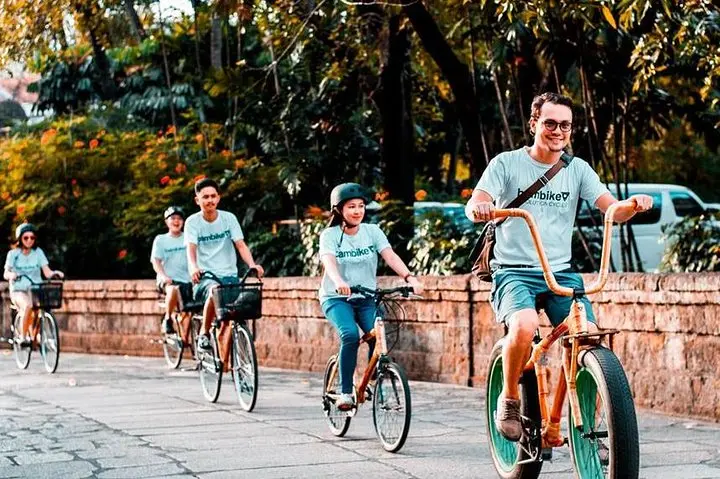
Cycle through Manila’s historic Intramuros on a bamboo bicycle with a local guide. This 2.5-hour small-group tour blends hands-on history, colonial architecture, and sustainably built Bambikes for a compact, active city exploration.
Cycle through Manila’s historic Intramuros on a bamboo bicycle with a local guide. This 2.5-hour small-group tour blends hands-on history, colonial architecture, and sustainably built Bambikes for a compact, active city exploration.
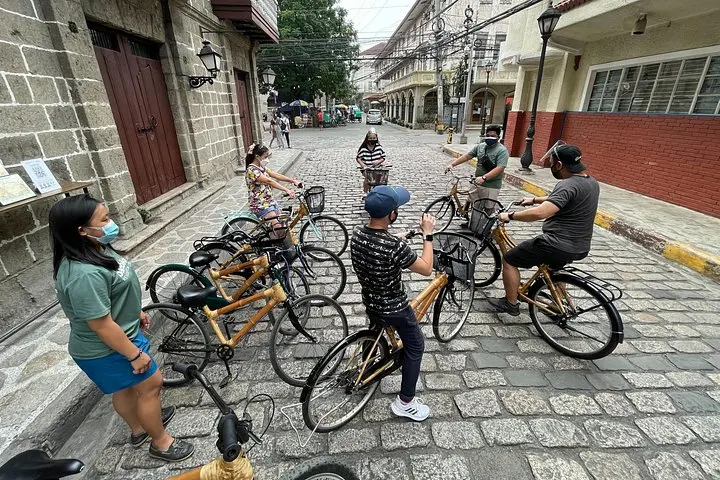
You begin on a narrow Calle at Bambike's Casa Manila HQ, the scent of hot pavement and coconut oil in the air, bamboo frames lined like a small fleet. Helmets are fitted, a guide checks brakes, and the group rolls out onto cobbled streets where carriages once clattered and sentries kept watch.
Verified experiences and guided adventures in the surrounding area.
Operated by Bamb Ecological Technology Inc. · Manila, Metro Manila
You begin on a narrow Calle at Bambike's Casa Manila HQ, the scent of hot pavement and coconut oil in the air, bamboo frames lined like a small fleet. Helmets are fitted, a guide checks brakes, and the group rolls out onto cobbled streets where carriages once clattered and sentries kept watch.
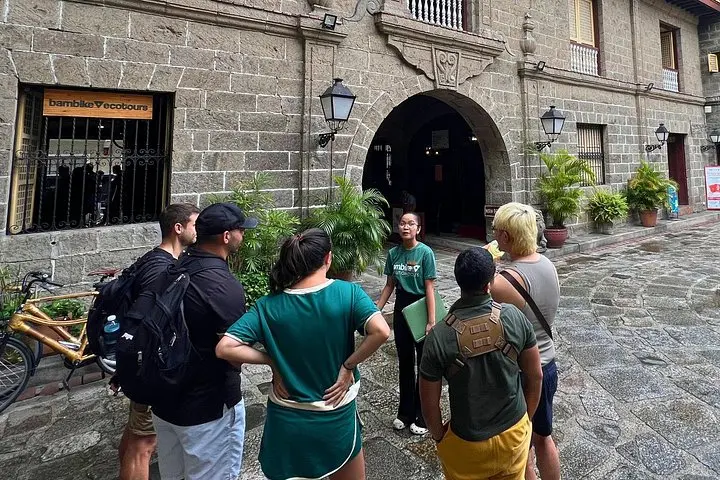
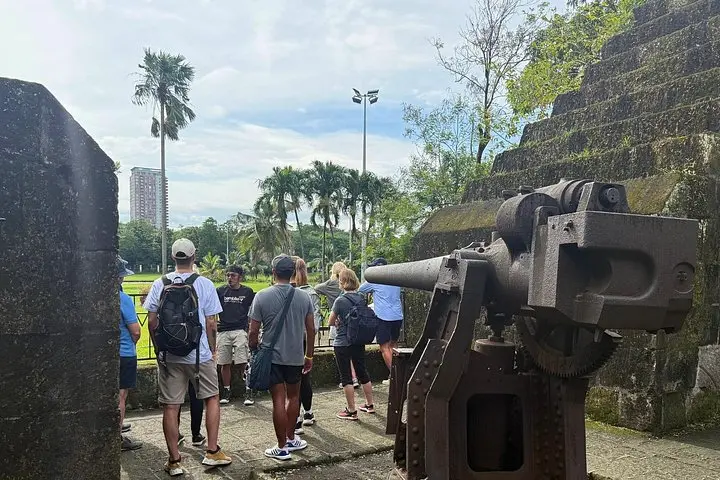
Intramuros — Manila’s 16th‑century Spanish walled city — is a compact classroom of layered history. Expect passages past colonial mansions, the carved façade of San Agustín Church (a UNESCO site), the storied gates and the somber stretches near Fort Santiago, where World War II left deep scars. The walls themselves are reclaimed stone and Manila clay; their rhythm of ramps and plazas maps defensive strategy and trade routes more than modern traffic patterns.
The tour covers 8–10 highlights over about 2.5 hours in small groups (5–15), riding Bambikes — locally built bamboo cruisers — with stops for context and photo turns. Guides weave architecture, Chinese merchant influence, and occupation-era anecdotes into the ride while pointing out quieter corners: Casa Manila’s museum rooms, a little plaza where cathedral bells mark the hour, and a low wall overlooking tidal flats.
Practical edge: go early for cooler temperatures and lighter traffic, wear closed-toe shoes for cobbles, and bring a refillable bottle — guides provide cold towels at the finish. Rain ponchos and sunscreen are supplied when needed, but expect short walking sections inside heritage sites. The pace is steady and conversational; this is urban exploration by bike — equal parts history lesson and active sightseeing.
No — the tour is rated easy and guides accommodate beginners; you should be comfortable balancing on a bike and following a guide in city traffic.
The tour can be cancelled for heavy rain or unsafe conditions; the operator’s policy allows full refunds if cancelled at least 24 hours in advance and may provide ponchos for light rain.
Yes — Bambike supplies bamboo bicycles and helmets; staff help adjust bikes to fit different riders and infant seats are available on request.
The itinerary includes stops at key sites; some admissions are included for certain fortress areas but confirm details with booking as specifics can vary.
Bamb Ecological Technology Inc. operates guided outdoor trips and adventures with an emphasis on safety, stewardship, and memorable experiences.
You begin on a narrow Calle at Bambike's Casa Manila HQ, the scent of hot pavement and coconut oil in the air, bamboo frames lined like a small fleet. Helmets are fitted, a guide checks brakes, and the group rolls out onto cobbled streets where carriages once clattered and sentries kept watch.
You begin on a narrow Calle at Bambike's Casa Manila HQ, the scent of hot pavement and coconut oil in the air, bamboo frames lined like a small fleet. Helmets are fitted, a guide checks brakes, and the group rolls out onto cobbled streets where carriages once clattered and sentries kept watch.
Intramuros — Manila’s 16th‑century Spanish walled city — is a compact classroom of layered history. Expect passages past colonial mansions, the carved façade of San Agustín Church (a UNESCO site), the storied gates and the somber stretches near Fort Santiago, where World War II left deep scars. The walls themselves are reclaimed stone and Manila clay; their rhythm of ramps and plazas maps defensive strategy and trade routes more than modern traffic patterns.
The tour covers 8–10 highlights over about 2.5 hours in small groups (5–15), riding Bambikes — locally built bamboo cruisers — with stops for context and photo turns. Guides weave architecture, Chinese merchant influence, and occupation-era anecdotes into the ride while pointing out quieter corners: Casa Manila’s museum rooms, a little plaza where cathedral bells mark the hour, and a low wall overlooking tidal flats.
Practical edge: go early for cooler temperatures and lighter traffic, wear closed-toe shoes for cobbles, and bring a refillable bottle — guides provide cold towels at the finish. Rain ponchos and sunscreen are supplied when needed, but expect short walking sections inside heritage sites. The pace is steady and conversational; this is urban exploration by bike — equal parts history lesson and active sightseeing.