THE ADVENTURE COLLECTIVE® · Independent discovery and booking for outdoor travel

Swap temple crowds for palm-lined lanes on a two-hour guided bicycle ride across Luxor’s West Bank. Expect flat terrain, riverside views, and close-up encounters with village life—helmets and bottled water included.
Swap temple crowds for palm-lined lanes on a two-hour guided bicycle ride across Luxor’s West Bank. Expect flat terrain, riverside views, and close-up encounters with village life—helmets and bottled water included.
The transfer drops you on the West Bank shoulder of the Nile and, within minutes, the city noise thins to birdsong and the steady hum of bicycle tires.
Verified experiences and guided adventures in the surrounding area.
Operated by Egypt Tours by Lou · Luxor, Luxor Governorate
The transfer drops you on the West Bank shoulder of the Nile and, within minutes, the city noise thins to birdsong and the steady hum of bicycle tires.
Palms lean over narrow lanes, irrigation channels thread the fields, and children wave from mud-brick thresholds as you pedal at an easy, steady pace. The guide points out distant temple roofs across the river while explaining how the Nile’s seasonal floods shaped these plots and the rhythms of local life.
This stretch of Luxor’s West Bank is the living edge of an ancient necropolis—farmland that grew beside tombs and mortuary temples for millennia. Geologically, the fertile strip is alluvium deposited by the Nile, while the limestone ridges to the west hold pharaonic monuments. Culturally, the ride highlights modern rural life: feluccas slipping by on the Nile, date palms shading irrigation channels, and agrarian routines that continue alongside tourism.
Practically, expect flat terrain on a mix of paved village lanes and compact dirt tracks; the tour runs about two hours and covers roughly 8–12 km at a relaxed pace. Helmets and bottled water are supplied, and an assistance vehicle follows if anyone wants a lift. Start early to avoid mid-day heat, wear sun protection, and keep valuables secured—many stops are photo-friendly but always ask before photographing people. The ride balances easy fitness with authentic encounters: it’s less about speed and more about seeing the West Bank from a human-scale perspective, where canals dare you to slow down and listen to the current of everyday life.
Yes—safety helmets and basic cycling gear are provided as part of the tour.
The ride is easy-paced over mostly flat terrain; basic fitness and the ability to ride for about two hours is sufficient.
You’ll get distant views of West Bank monuments and guides will point out landmarks, but this tour focuses on rural village life rather than entering major archaeological sites.
An assistance vehicle accompanies the group; operators will pause, provide water, or transport riders back to the transfer vehicle if needed.
Egypt Tours by Lou operates guided outdoor trips and adventures with an emphasis on safety, stewardship, and memorable experiences.
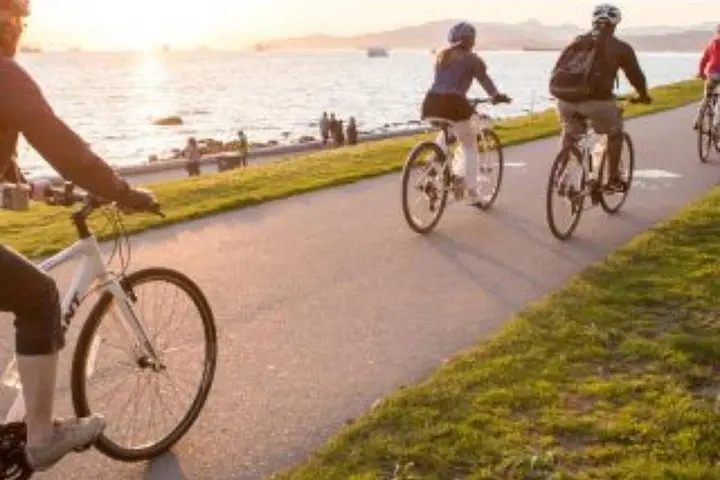
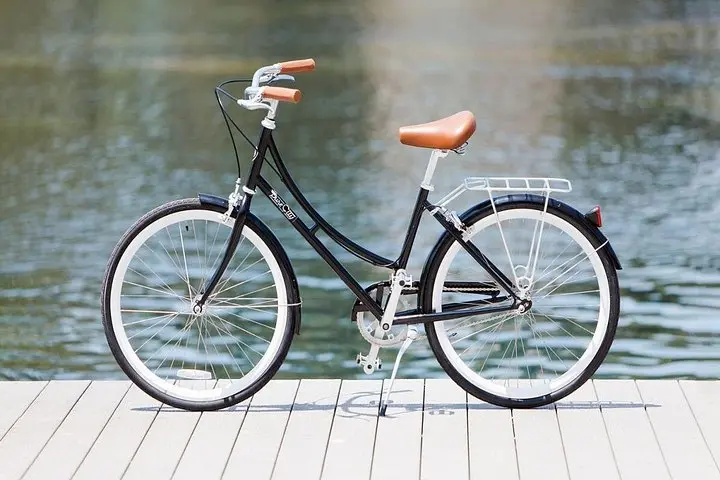


The transfer drops you on the West Bank shoulder of the Nile and, within minutes, the city noise thins to birdsong and the steady hum of bicycle tires.
The transfer drops you on the West Bank shoulder of the Nile and, within minutes, the city noise thins to birdsong and the steady hum of bicycle tires.
Palms lean over narrow lanes, irrigation channels thread the fields, and children wave from mud-brick thresholds as you pedal at an easy, steady pace. The guide points out distant temple roofs across the river while explaining how the Nile’s seasonal floods shaped these plots and the rhythms of local life.
This stretch of Luxor’s West Bank is the living edge of an ancient necropolis—farmland that grew beside tombs and mortuary temples for millennia. Geologically, the fertile strip is alluvium deposited by the Nile, while the limestone ridges to the west hold pharaonic monuments. Culturally, the ride highlights modern rural life: feluccas slipping by on the Nile, date palms shading irrigation channels, and agrarian routines that continue alongside tourism.
Practically, expect flat terrain on a mix of paved village lanes and compact dirt tracks; the tour runs about two hours and covers roughly 8–12 km at a relaxed pace. Helmets and bottled water are supplied, and an assistance vehicle follows if anyone wants a lift. Start early to avoid mid-day heat, wear sun protection, and keep valuables secured—many stops are photo-friendly but always ask before photographing people. The ride balances easy fitness with authentic encounters: it’s less about speed and more about seeing the West Bank from a human-scale perspective, where canals dare you to slow down and listen to the current of everyday life.