THE ADVENTURE COLLECTIVE® · Independent discovery and booking for outdoor travel

Ride three hours through the French Quarter, Treme, City Park and the Mississippi Riverfront on a small-group bike tour that blends jazz history, cemetery culture and city planning. Perfect for first-time visitors who want an efficient, narrated introduction to New Orleans.
Ride three hours through the French Quarter, Treme, City Park and the Mississippi Riverfront on a small-group bike tour that blends jazz history, cemetery culture and city planning. Perfect for first-time visitors who want an efficient, narrated introduction to New Orleans.
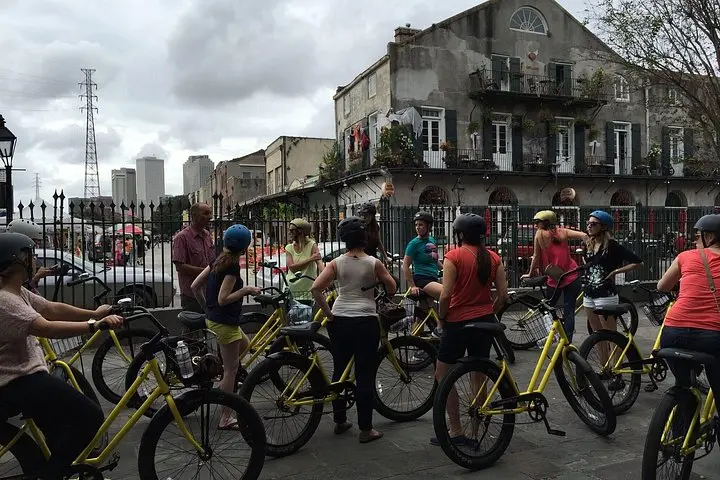
The city blooms as you push off—heat rising from the cobbles, brass notes threading through an open window, and the Mississippi demanding attention at every turn. On a three-hour small-group bike tour that begins a block from Bourbon Street, the French Quarter loosens its tight grip and the city stretches out: shotgun houses, squat Creole townhomes, broad live oaks flecked with Spanish moss. The rhythm of the ride is conversational—guides punctuate turns with stories that make corners feel like characters.
Verified experiences and guided adventures in the surrounding area.
Operated by Buzz Nola Tours · New Orleans, Louisiana
The city blooms as you push off—heat rising from the cobbles, brass notes threading through an open window, and the Mississippi demanding attention at every turn. On a three-hour small-group bike tour that begins a block from Bourbon Street, the French Quarter loosens its tight grip and the city stretches out: shotgun houses, squat Creole townhomes, broad live oaks flecked with Spanish moss. The rhythm of the ride is conversational—guides punctuate turns with stories that make corners feel like characters.
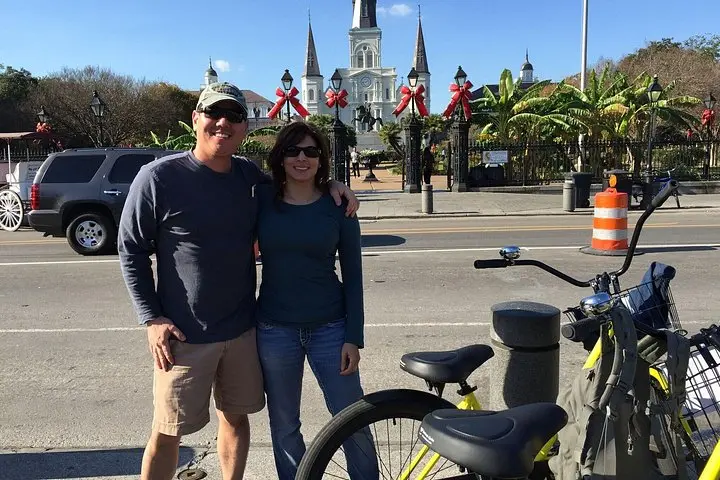
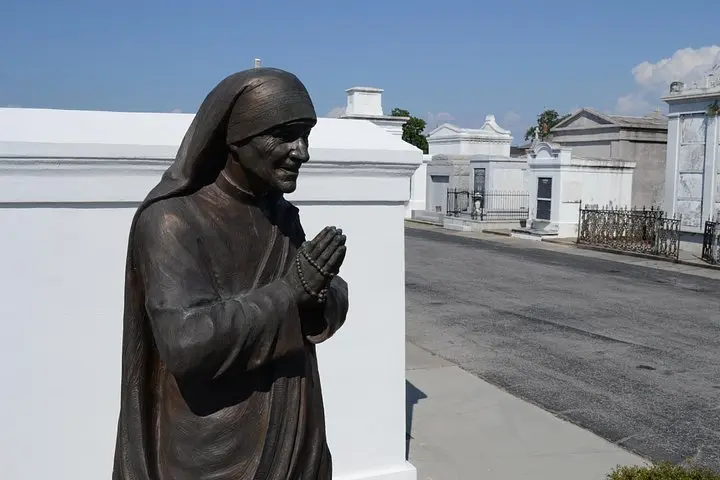
You leave the Quarter with its ironwork balconies and Jackson Square’s horse-drawn cart economy, and head toward the river where New Orleans first anchored itself as a trade hub. The route threads Faubourg Treme—the country’s oldest African American neighborhood—whose streets map the cultural DNA of jazz and community resistance. Pedaling past St. Louis Cemetery and the raised tombs that define local burial practices, you get a quick lesson in geology and engineering: a city built on alluvial deposits and stubborn levees, where above-ground crypts are practical answers to a high water table.
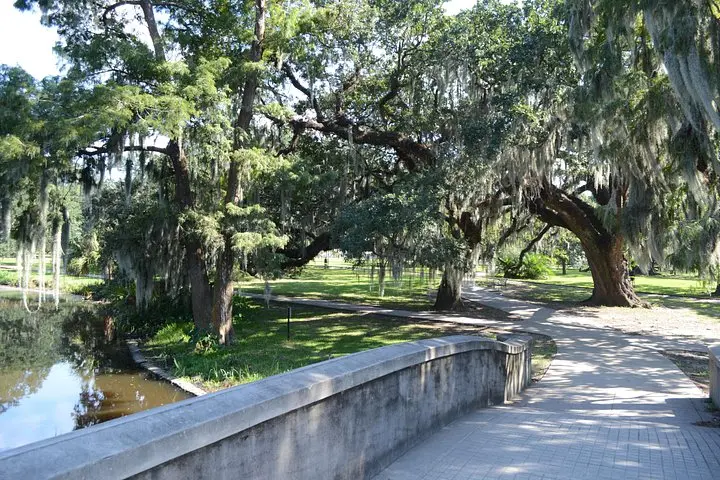
Louis Armstrong Park and Congo Square appear not as museum pieces but as living rooms for music; here, the pulse of brass and call-and-response that shaped jazz still hums underfoot. City Park offers a softer counterpoint—millennial live oaks, some older than the nation, that shade a city often described only by its heat and humidity. The tour moves at an accessible pace, long enough to cover major landmarks without devolving into a checklist—this is active storytelling delivered on two wheels.
History is never dry: your guide will connect Creole trade routes, French and Spanish legal traditions, and the social migrations that produced New Orleans’ vivid neighborhoods. Practical notes are woven in too: where to buy beignets after the ride, how public transit interfaces with bike lanes, and which streets are flat versus slightly crowned for drainage. Expect stops at the riverfront, a cultural walk through Treme, and a look at neighborhood cemetery architecture.
For travelers, this tour is both orientation and invitation. Wear closed-toe shoes, hydrate early (guides provide bottled water), and arrive 20 minutes before departure for a quick bike fit. The route is family-friendly from age 12, and the max group is small enough to ask questions and swap recommendations. Whether you’re on a first visit or returning for deeper listening, pedaling through New Orleans is a way to let the city tell its layered story at a human pace.
The tour lasts approximately three hours and covers the French Quarter, Treme, City Park and the Mississippi riverfront.
Meet at the bike shop on Dauphine Street in the French Quarter—one block from Bourbon and next to the Museum of Death; arrive 20 minutes early.
Minimum age is 12; younger riders aren’t permitted due to equipment and route safety.
Yes—comfortable bikes with baskets and bottled water are provided; wear suitable footwear and clothing.
Yes—small packs and cameras are fine; keep gear light and secured to avoid balance issues.
Tours can be canceled if weather is severe; light rain may still proceed—check cancellation policy and bring a rain shell.
Buzz Nola Tours operates guided outdoor trips and adventures with an emphasis on safety, stewardship, and memorable experiences.
The city blooms as you push off—heat rising from the cobbles, brass notes threading through an open window, and the Mississippi demanding attention at every turn. On a three-hour small-group bike tour that begins a block from Bourbon Street, the French Quarter loosens its tight grip and the city stretches out: shotgun houses, squat Creole townhomes, broad live oaks flecked with Spanish moss. The rhythm of the ride is conversational—guides punctuate turns with stories that make corners feel like characters.
The city blooms as you push off—heat rising from the cobbles, brass notes threading through an open window, and the Mississippi demanding attention at every turn. On a three-hour small-group bike tour that begins a block from Bourbon Street, the French Quarter loosens its tight grip and the city stretches out: shotgun houses, squat Creole townhomes, broad live oaks flecked with Spanish moss. The rhythm of the ride is conversational—guides punctuate turns with stories that make corners feel like characters.
You leave the Quarter with its ironwork balconies and Jackson Square’s horse-drawn cart economy, and head toward the river where New Orleans first anchored itself as a trade hub. The route threads Faubourg Treme—the country’s oldest African American neighborhood—whose streets map the cultural DNA of jazz and community resistance. Pedaling past St. Louis Cemetery and the raised tombs that define local burial practices, you get a quick lesson in geology and engineering: a city built on alluvial deposits and stubborn levees, where above-ground crypts are practical answers to a high water table.
Louis Armstrong Park and Congo Square appear not as museum pieces but as living rooms for music; here, the pulse of brass and call-and-response that shaped jazz still hums underfoot. City Park offers a softer counterpoint—millennial live oaks, some older than the nation, that shade a city often described only by its heat and humidity. The tour moves at an accessible pace, long enough to cover major landmarks without devolving into a checklist—this is active storytelling delivered on two wheels.
History is never dry: your guide will connect Creole trade routes, French and Spanish legal traditions, and the social migrations that produced New Orleans’ vivid neighborhoods. Practical notes are woven in too: where to buy beignets after the ride, how public transit interfaces with bike lanes, and which streets are flat versus slightly crowned for drainage. Expect stops at the riverfront, a cultural walk through Treme, and a look at neighborhood cemetery architecture.
For travelers, this tour is both orientation and invitation. Wear closed-toe shoes, hydrate early (guides provide bottled water), and arrive 20 minutes before departure for a quick bike fit. The route is family-friendly from age 12, and the max group is small enough to ask questions and swap recommendations. Whether you’re on a first visit or returning for deeper listening, pedaling through New Orleans is a way to let the city tell its layered story at a human pace.