THE ADVENTURE COLLECTIVE® · Independent discovery and booking for outdoor travel

Short, steep and wildly rewarding: the Pedra Bonita trail climbs to a 693‑m summit with a free‑flight ramp for hang gliders and paragliders. This concise guide covers what to expect, how to prepare, and the best time to go.
Short, steep and wildly rewarding: the Pedra Bonita trail climbs to a 693‑m summit with a free‑flight ramp for hang gliders and paragliders. This concise guide covers what to expect, how to prepare, and the best time to go.
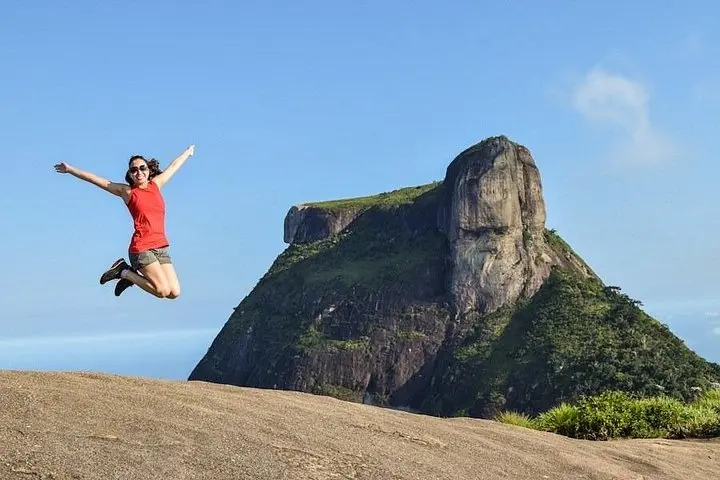
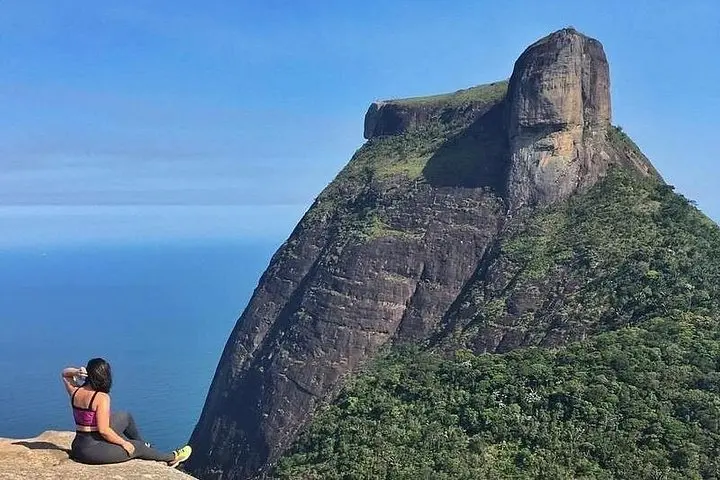
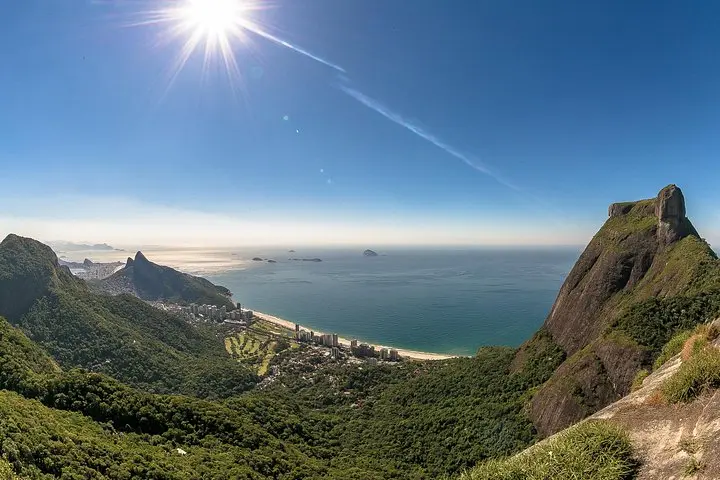
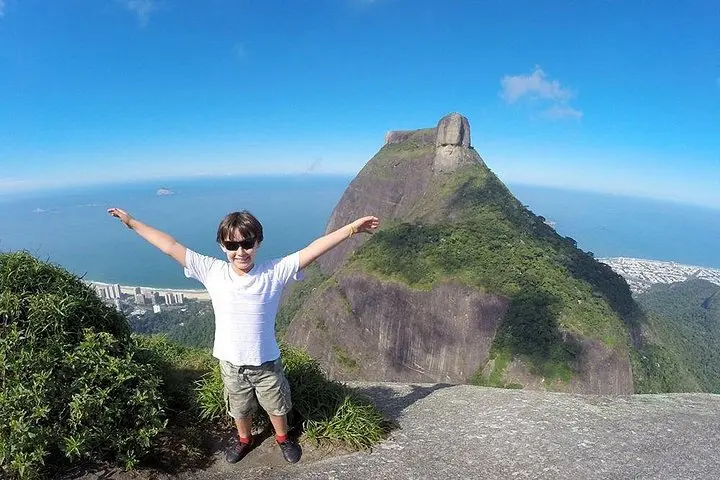
You push through the last stand of Atlantic Forest and the trail opens — wind hits your face as if the city itself is exhaling. Ahead, the rounded shoulder of Pedra Bonita rises, a 693‑meter viewpoint that frames São Conrado’s beaches, the sweeping curve of Barra da Tijuca, and the knife-edge silhouette of Pedra da Gávea. The free‑flight ramp perches near the summit; hang gliders and paragliders lift like birds daring the thermals.
Verified experiences and guided adventures in the surrounding area.
Operated by Avoir Experience · Rio de Janeiro, Rio de Janeiro
You push through the last stand of Atlantic Forest and the trail opens — wind hits your face as if the city itself is exhaling. Ahead, the rounded shoulder of Pedra Bonita rises, a 693‑meter viewpoint that frames São Conrado’s beaches, the sweeping curve of Barra da Tijuca, and the knife-edge silhouette of Pedra da Gávea. The free‑flight ramp perches near the summit; hang gliders and paragliders lift like birds daring the thermals.
The trail sits inside the Tijuca Forest, a restored fragment of the Atlantic Forest replanted in the 19th century to protect water sources and stabilize steep slopes. The rock here is coastal granite and gneiss, sculpted by erosion into the bold outcrops Rio’s coastline is famous for. Local culture blends outdoor sport and beach life — pilots, climbers and cariocas mix at the overlook, trading weather tips and launch windows.
Practically, the climb is short but uneven: expect roughly 30–45 minutes of steady walking to the summit on well‑trodden dirt and stone steps, with occasional roots and rock scrambles. Early morning or late afternoon is best for cooler temperatures and dramatic light; flights require suitable winds and are weather‑dependent. Start at São Conrado subway exit B to connect with the trailhead easily; certified guides and gear rentals are common if you plan to paraglide. Bring sturdy shoes, water, sun protection, and a light layer — conditions can change quickly under the canopy. Respect trail markers, keep distance from wildlife (including noisy marmosets), and leave no trace: the view is fragile and worth protecting.
The climb from the trailhead to the summit typically takes 30–45 minutes of steady walking; plan 4–5 hours total including transport, time at viewpoints and watching flights.
Flights are optional and usually booked separately; the experience commonly takes you to the ramp to watch launches and may coordinate flights on request for an additional fee.
Early morning or late afternoon offers cooler temperatures, better light for photos, and more predictable winds for paragliding; mid‑day can be hot and windier.
The meeting point is São Conrado subway station (exit B); from there local guides or a short taxi/trip can take you to the trail access road.
Avoir Experience operates guided outdoor trips and adventures with an emphasis on safety, stewardship, and memorable experiences.
You push through the last stand of Atlantic Forest and the trail opens — wind hits your face as if the city itself is exhaling. Ahead, the rounded shoulder of Pedra Bonita rises, a 693‑meter viewpoint that frames São Conrado’s beaches, the sweeping curve of Barra da Tijuca, and the knife-edge silhouette of Pedra da Gávea. The free‑flight ramp perches near the summit; hang gliders and paragliders lift like birds daring the thermals.
You push through the last stand of Atlantic Forest and the trail opens — wind hits your face as if the city itself is exhaling. Ahead, the rounded shoulder of Pedra Bonita rises, a 693‑meter viewpoint that frames São Conrado’s beaches, the sweeping curve of Barra da Tijuca, and the knife-edge silhouette of Pedra da Gávea. The free‑flight ramp perches near the summit; hang gliders and paragliders lift like birds daring the thermals.
The trail sits inside the Tijuca Forest, a restored fragment of the Atlantic Forest replanted in the 19th century to protect water sources and stabilize steep slopes. The rock here is coastal granite and gneiss, sculpted by erosion into the bold outcrops Rio’s coastline is famous for. Local culture blends outdoor sport and beach life — pilots, climbers and cariocas mix at the overlook, trading weather tips and launch windows.
Practically, the climb is short but uneven: expect roughly 30–45 minutes of steady walking to the summit on well‑trodden dirt and stone steps, with occasional roots and rock scrambles. Early morning or late afternoon is best for cooler temperatures and dramatic light; flights require suitable winds and are weather‑dependent. Start at São Conrado subway exit B to connect with the trailhead easily; certified guides and gear rentals are common if you plan to paraglide. Bring sturdy shoes, water, sun protection, and a light layer — conditions can change quickly under the canopy. Respect trail markers, keep distance from wildlife (including noisy marmosets), and leave no trace: the view is fragile and worth protecting.