THE ADVENTURE COLLECTIVE® · Independent discovery and booking for outdoor travel

A short, revealing hike to Pedra Bonita pairs Atlantic Forest trails with sweeping coastal views and a front-row seat to paragliders launching from the ramp. This guided half-day tour mixes natural history, geology and easy trail time inside Tijuca National Park.
A short, revealing hike to Pedra Bonita pairs Atlantic Forest trails with sweeping coastal views and a front-row seat to paragliders launching from the ramp. This guided half-day tour mixes natural history, geology and easy trail time inside Tijuca National Park.
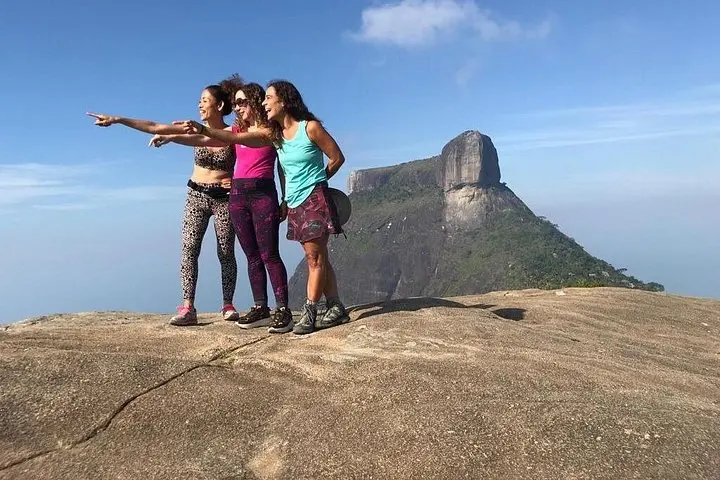
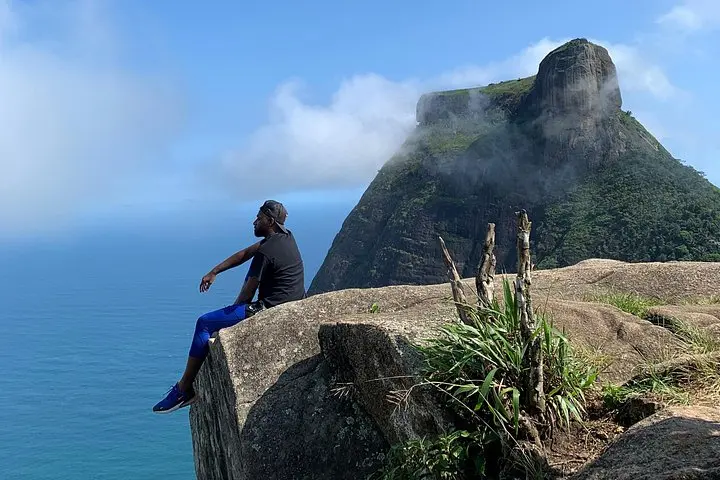
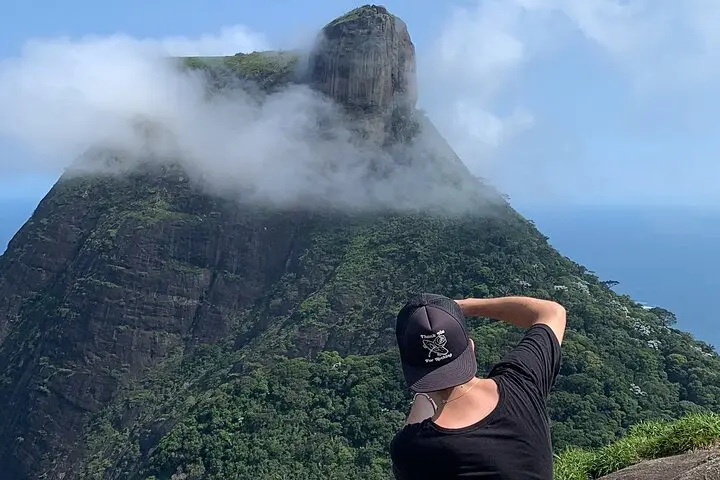
The trail opens like a stage: humid air pressing soft against your skin, the city’s hum receding as the forest crowds around you. A short drive from São Conrado drops the group at Pedra Bonita’s trailhead and the hike climbs through Atlantic Forest ferns and granite outcrops. In roughly 45 minutes you break the canopy and the city unfurls—São Conrado beach, the sweep of Barra, and the massive flank of Pedra da Gávea in the distance.
Verified experiences and guided adventures in the surrounding area.
Operated by Hike in Rio · Rio de Janeiro, Rio de Janeiro
The trail opens like a stage: humid air pressing soft against your skin, the city’s hum receding as the forest crowds around you. A short drive from São Conrado drops the group at Pedra Bonita’s trailhead and the hike climbs through Atlantic Forest ferns and granite outcrops. In roughly 45 minutes you break the canopy and the city unfurls—São Conrado beach, the sweep of Barra, and the massive flank of Pedra da Gávea in the distance.
Tijuca National Park is a reconstructed forest—replanted in the 19th century to protect the watershed that supplies Rio—so the paths mix rewilded growth with historic roads and viewpoint platforms. Geology here is dramatic: coastal granite and gneiss sculpted into monoliths, with steep faces that attract hang gliders and paragliders to Pedra Bonita’s take-off ramp. Local culture threads through the day: guides relay stories of early conservation, urban expansion, and the city’s relationship with its mountains.
Practical guidance: expect a short but sometimes steep 1–1.5 km ascent with intermittent stone steps and roots; total outing time is about five hours with drives and stops. Morning light is best for clear views and cooler air; afternoons bring thermals and higher chances of rain in summer. Wear sturdy sneakers or light hiking boots, bring 1–2 liters of water, sun protection, and insect repellent. Respect wildlife—marmosets and toucans are commonly seen, but do not feed them. The experience pairs a brisk, accessible hike with several photo-ready lookouts and an easy immersion into one of the world’s largest urban forests.
The trail is short—about 1–1.5 km—and typically takes 30–60 minutes depending on pace; it’s steep in places but non-technical.
The tour visits the paragliding take-off ramp for viewing, but tandem flights are run by independent operators and require separate booking and safety checks.
Many operators include pickup from common neighborhoods in Rio; confirm pickup point during booking as options vary.
You may encounter marmosets, toucans, and other native birds—sightings are common but never guaranteed.
Hike in Rio operates guided outdoor trips and adventures with an emphasis on safety, stewardship, and memorable experiences.

The trail opens like a stage: humid air pressing soft against your skin, the city’s hum receding as the forest crowds around you. A short drive from São Conrado drops the group at Pedra Bonita’s trailhead and the hike climbs through Atlantic Forest ferns and granite outcrops. In roughly 45 minutes you break the canopy and the city unfurls—São Conrado beach, the sweep of Barra, and the massive flank of Pedra da Gávea in the distance.
The trail opens like a stage: humid air pressing soft against your skin, the city’s hum receding as the forest crowds around you. A short drive from São Conrado drops the group at Pedra Bonita’s trailhead and the hike climbs through Atlantic Forest ferns and granite outcrops. In roughly 45 minutes you break the canopy and the city unfurls—São Conrado beach, the sweep of Barra, and the massive flank of Pedra da Gávea in the distance.
Tijuca National Park is a reconstructed forest—replanted in the 19th century to protect the watershed that supplies Rio—so the paths mix rewilded growth with historic roads and viewpoint platforms. Geology here is dramatic: coastal granite and gneiss sculpted into monoliths, with steep faces that attract hang gliders and paragliders to Pedra Bonita’s take-off ramp. Local culture threads through the day: guides relay stories of early conservation, urban expansion, and the city’s relationship with its mountains.
Practical guidance: expect a short but sometimes steep 1–1.5 km ascent with intermittent stone steps and roots; total outing time is about five hours with drives and stops. Morning light is best for clear views and cooler air; afternoons bring thermals and higher chances of rain in summer. Wear sturdy sneakers or light hiking boots, bring 1–2 liters of water, sun protection, and insect repellent. Respect wildlife—marmosets and toucans are commonly seen, but do not feed them. The experience pairs a brisk, accessible hike with several photo-ready lookouts and an easy immersion into one of the world’s largest urban forests.