THE ADVENTURE COLLECTIVE® · Independent discovery and booking for outdoor travel

Climb through Tijuca National Park to the 699 m summit of Pedra Bonita, see Cascatinha Taunay waterfall, and finish with wide ocean-and-city views. This guided, moderate hike blends forest ecology, geology, and local culture in a compact, rewarding outing.
Climb through Tijuca National Park to the 699 m summit of Pedra Bonita, see Cascatinha Taunay waterfall, and finish with wide ocean-and-city views. This guided, moderate hike blends forest ecology, geology, and local culture in a compact, rewarding outing.
A humid breath of Atlantic Forest meets the city as you step off the vehicle and into green that seems to push back at Rio's skyline. The trail to Pedra Bonita climbs through Tijuca National Park, the large urban forest that once was cleared and then replanted in the 19th century, and rises to a rocky crest at about 699 meters above sea level. Early on the path narrows, roots and stone forming a rhythm underfoot; birds call from the canopy and the forest seems to dare you onward.
Verified experiences and guided adventures in the surrounding area.
Operated by Sunrise Turismo Brasil · Rio de Janeiro, Rio de Janeiro
A humid breath of Atlantic Forest meets the city as you step off the vehicle and into green that seems to push back at Rio's skyline. The trail to Pedra Bonita climbs through Tijuca National Park, the large urban forest that once was cleared and then replanted in the 19th century, and rises to a rocky crest at about 699 meters above sea level. Early on the path narrows, roots and stone forming a rhythm underfoot; birds call from the canopy and the forest seems to dare you onward.
Geologically, Pedra Bonita is a granite outcrop shaped by coastal erosion and uplift, a compact prominence between São Conrado and Barra da Tijuca. Along the route guides point out Cascatinha Taunay, Tijuca's largest waterfall, and explain the park’s recovery from past deforestation and its role in Rio’s water supply. Cultural layers show in the neighborhoods below and in paragliders launching from nearby ramps—local residents have long used this slope for recreation and display.
Practical guidance: expect a steady, sometimes steep three-hour round-trip on uneven terrain, with a short, exposed final scramble to the viewpoint. Bring at least 1–2 liters of water, sturdy shoes with good grip, sun protection, and a light rain layer; trails get slick after showers. Morning departures avoid heat and crowds; the summit rewards you with broad city-to-ocean panoramas and a chance to watch hang gliders appear like birds off the cliff. Stay on marked routes, respect wildlife (monkeys and tamarins are common), and save camera batteries—the view is generous.
The guided outing allocates about three hours for the round-trip hike to the summit, plus time at the viewpoint; total tour time including transport is often around five hours.
Active children and inexperienced hikers with reasonable fitness can often complete the route, but those with mobility issues or sedentary lifestyles may find the steady climbs and uneven surfaces difficult.
Yes—Tijuca hosts monkeys, tamarins, and a variety of birds and reptiles; sightings are common but never guaranteed, and you should not attempt to touch or feed animals.
Tijuca National Park has entrance management in some zones, but this guided tour typically includes access; check with your operator about any park fees or restrictions before departure.
Sunrise Turismo Brasil operates guided outdoor trips and adventures with an emphasis on safety, stewardship, and memorable experiences.
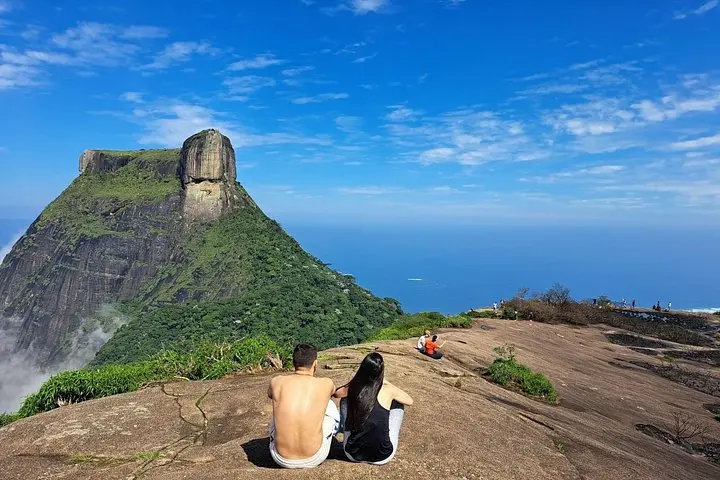
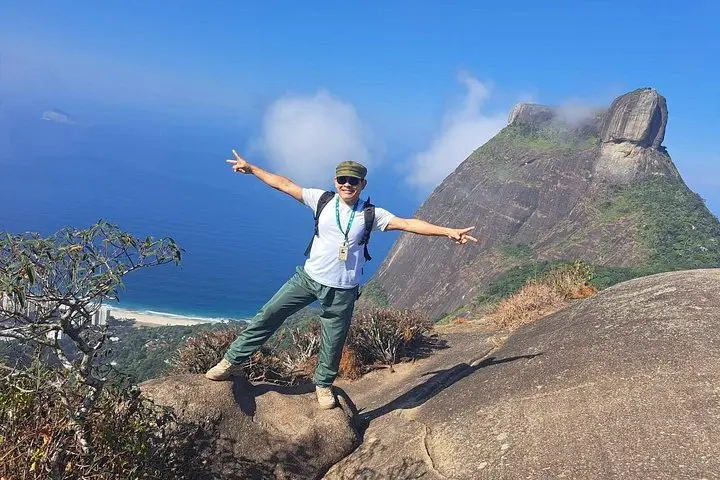
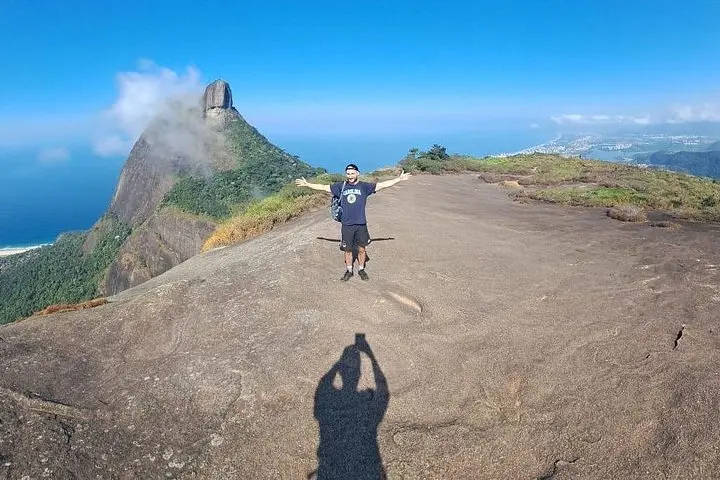
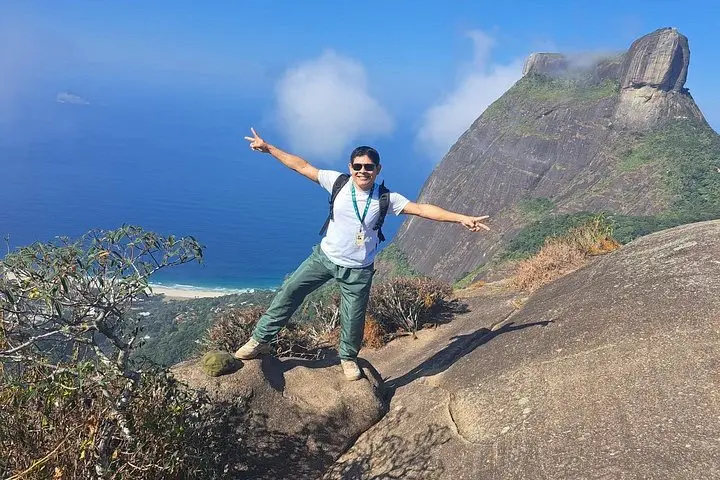
A humid breath of Atlantic Forest meets the city as you step off the vehicle and into green that seems to push back at Rio's skyline. The trail to Pedra Bonita climbs through Tijuca National Park, the large urban forest that once was cleared and then replanted in the 19th century, and rises to a rocky crest at about 699 meters above sea level. Early on the path narrows, roots and stone forming a rhythm underfoot; birds call from the canopy and the forest seems to dare you onward.
A humid breath of Atlantic Forest meets the city as you step off the vehicle and into green that seems to push back at Rio's skyline. The trail to Pedra Bonita climbs through Tijuca National Park, the large urban forest that once was cleared and then replanted in the 19th century, and rises to a rocky crest at about 699 meters above sea level. Early on the path narrows, roots and stone forming a rhythm underfoot; birds call from the canopy and the forest seems to dare you onward.
Geologically, Pedra Bonita is a granite outcrop shaped by coastal erosion and uplift, a compact prominence between São Conrado and Barra da Tijuca. Along the route guides point out Cascatinha Taunay, Tijuca's largest waterfall, and explain the park’s recovery from past deforestation and its role in Rio’s water supply. Cultural layers show in the neighborhoods below and in paragliders launching from nearby ramps—local residents have long used this slope for recreation and display.
Practical guidance: expect a steady, sometimes steep three-hour round-trip on uneven terrain, with a short, exposed final scramble to the viewpoint. Bring at least 1–2 liters of water, sturdy shoes with good grip, sun protection, and a light rain layer; trails get slick after showers. Morning departures avoid heat and crowds; the summit rewards you with broad city-to-ocean panoramas and a chance to watch hang gliders appear like birds off the cliff. Stay on marked routes, respect wildlife (monkeys and tamarins are common), and save camera batteries—the view is generous.