THE ADVENTURE COLLECTIVE® · Independent discovery and booking for outdoor travel

A strenuous full-day hike from Rio to the summit of Pedra do Sino in Serra dos Órgãos National Park. Expect steep granite sections, spring-fed streams, and panoramic ridgeline views at 2,275 m.
A strenuous full-day hike from Rio to the summit of Pedra do Sino in Serra dos Órgãos National Park. Expect steep granite sections, spring-fed streams, and panoramic ridgeline views at 2,275 m.
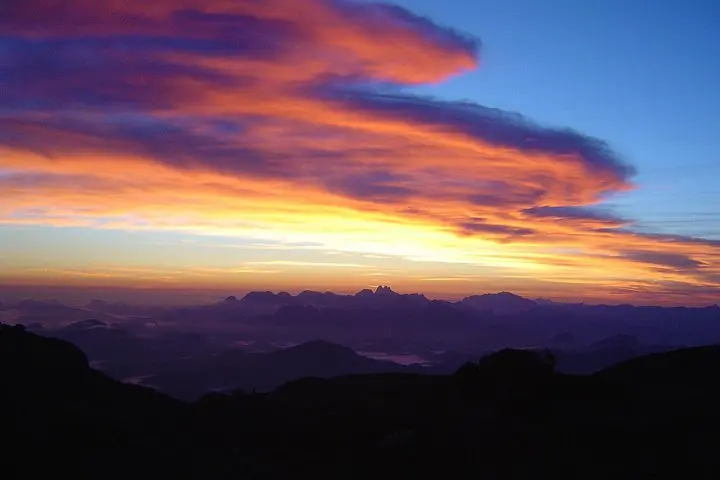
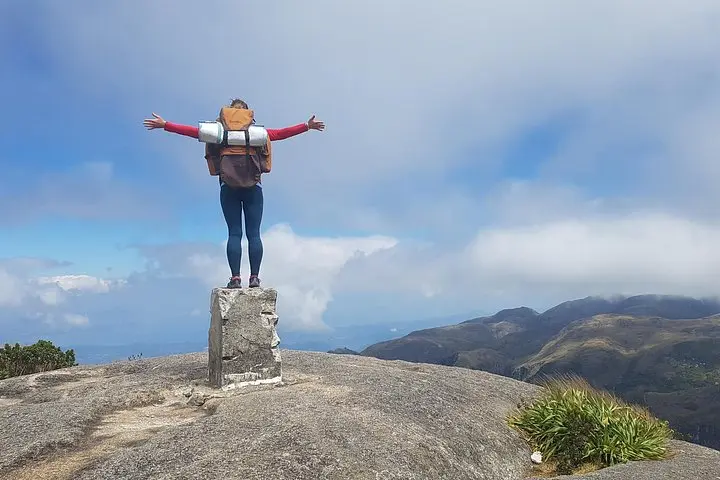
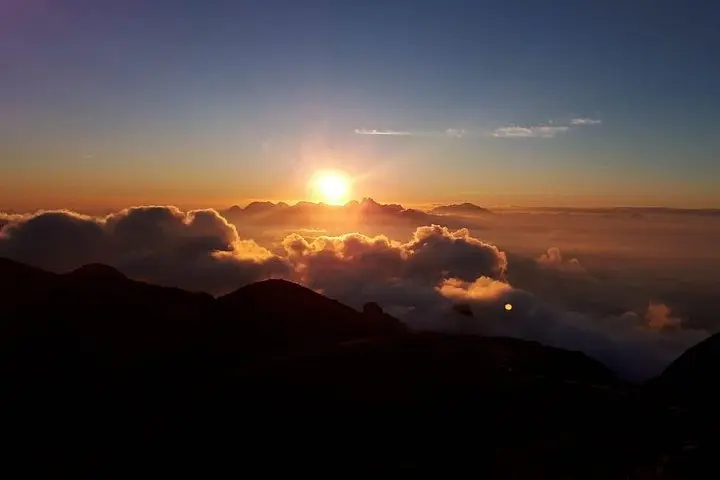
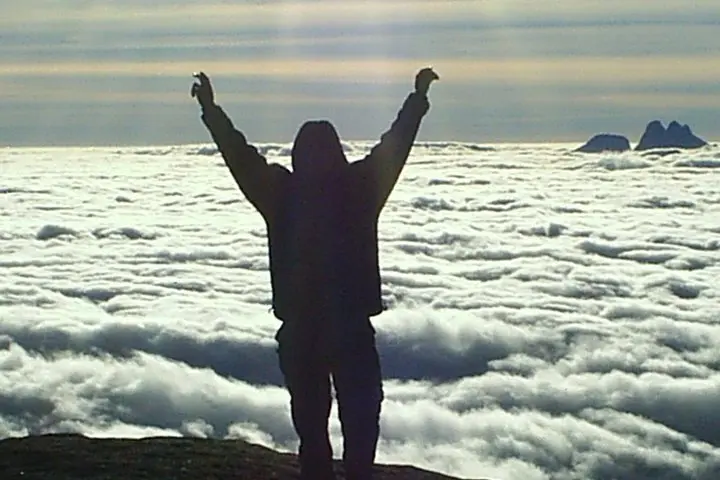
You leave Rio de Janeiro before dawn and the highway drops you into a pine-scented valley as the massif of Serra dos Órgãos rises like a folded roof ahead. The trail climbs steadily out of forest into pockets of Atlantic Forest, crosses clear spring streams and threads through granite slabs that warm under the sun. At 2,275 m the summit of Pedra do Sino gives you a wide, exposed platform—wind, light and long views of serrated ridgelines that demand the camera and a quiet moment.
Verified experiences and guided adventures in the surrounding area.
Operated by Rio Eco Trip · Teresópolis, Rio de Janeiro
You leave Rio de Janeiro before dawn and the highway drops you into a pine-scented valley as the massif of Serra dos Órgãos rises like a folded roof ahead. The trail climbs steadily out of forest into pockets of Atlantic Forest, crosses clear spring streams and threads through granite slabs that warm under the sun. At 2,275 m the summit of Pedra do Sino gives you a wide, exposed platform—wind, light and long views of serrated ridgelines that demand the camera and a quiet moment.
The park, created early in Brazil’s national-park history, protects a slice of Atlantic Forest and dramatic granite spires carved by tectonics and erosion. Local culture mixes small mountain towns, water mills and a tradition of mountaineering that’s earned the park an important place in Brazil’s outdoor community.
Practically: expect 11 km round-trip and roughly 1,100 m of ascent over 5–6 hours on a well-marked but steep route. Footing alternates between packed dirt, roots, and polished granite; there are natural springs and small waterfalls along the approach. Weather at elevation changes fast—fog, wind and sun can all arrive within an hour.
Plan for layered clothing, sturdy boots, 2–3 L of water, and a headlamp if you’ll start or return in low light. Consider a guide if you want logistics handled—many groups include round-trip transport from Rio and a park briefing. Respect trail closures, stay on marked paths to protect fragile vegetation, and leave no trace: the park’s ecosystems recover slowly from off-trail damage.
The route is steep with about 1,100 m of elevation gain over 11 km; fit hikers can complete it in 5–6 hours, but it’s rated challenging.
Guides aren’t mandatory but are recommended for logistics, safety, and local knowledge—many operators include transport and a guide.
Yes—clear springs and small waterfalls occur on the approach, but purify water before drinking or carry enough from the start.
Not recommended for people with serious back, heart issues, or pregnancy; consult the operator’s fitness guidelines before booking.
Rio Eco Trip operates guided outdoor trips and adventures with an emphasis on safety, stewardship, and memorable experiences.
You leave Rio de Janeiro before dawn and the highway drops you into a pine-scented valley as the massif of Serra dos Órgãos rises like a folded roof ahead. The trail climbs steadily out of forest into pockets of Atlantic Forest, crosses clear spring streams and threads through granite slabs that warm under the sun. At 2,275 m the summit of Pedra do Sino gives you a wide, exposed platform—wind, light and long views of serrated ridgelines that demand the camera and a quiet moment.
You leave Rio de Janeiro before dawn and the highway drops you into a pine-scented valley as the massif of Serra dos Órgãos rises like a folded roof ahead. The trail climbs steadily out of forest into pockets of Atlantic Forest, crosses clear spring streams and threads through granite slabs that warm under the sun. At 2,275 m the summit of Pedra do Sino gives you a wide, exposed platform—wind, light and long views of serrated ridgelines that demand the camera and a quiet moment.
The park, created early in Brazil’s national-park history, protects a slice of Atlantic Forest and dramatic granite spires carved by tectonics and erosion. Local culture mixes small mountain towns, water mills and a tradition of mountaineering that’s earned the park an important place in Brazil’s outdoor community.
Practically: expect 11 km round-trip and roughly 1,100 m of ascent over 5–6 hours on a well-marked but steep route. Footing alternates between packed dirt, roots, and polished granite; there are natural springs and small waterfalls along the approach. Weather at elevation changes fast—fog, wind and sun can all arrive within an hour.
Plan for layered clothing, sturdy boots, 2–3 L of water, and a headlamp if you’ll start or return in low light. Consider a guide if you want logistics handled—many groups include round-trip transport from Rio and a park briefing. Respect trail closures, stay on marked paths to protect fragile vegetation, and leave no trace: the park’s ecosystems recover slowly from off-trail damage.