THE ADVENTURE COLLECTIVE® · Independent discovery and booking for outdoor travel

Drive Rio’s west coast to a short but steep 1.5 km hike that ends at Pedra do Telégrafo, a 354 m cliff with sweeping ocean and valley views. After the summit, enjoy seafood and unspoiled Grumari beach on a private full-day tour with transport and a bilingual guide.
Drive Rio’s west coast to a short but steep 1.5 km hike that ends at Pedra do Telégrafo, a 354 m cliff with sweeping ocean and valley views. After the summit, enjoy seafood and unspoiled Grumari beach on a private full-day tour with transport and a bilingual guide.
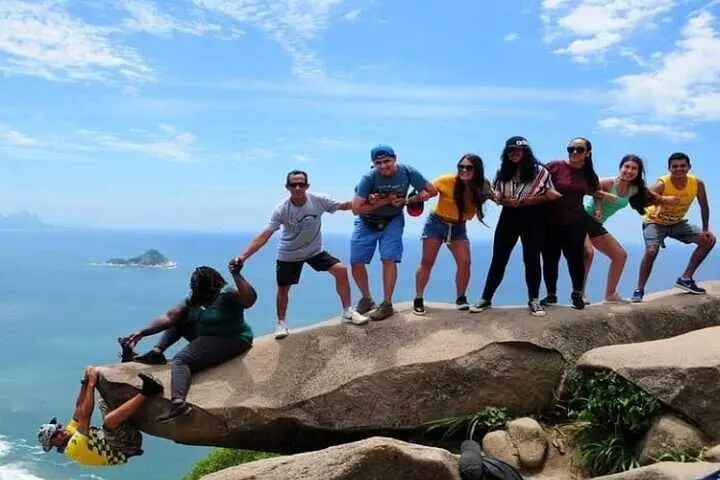
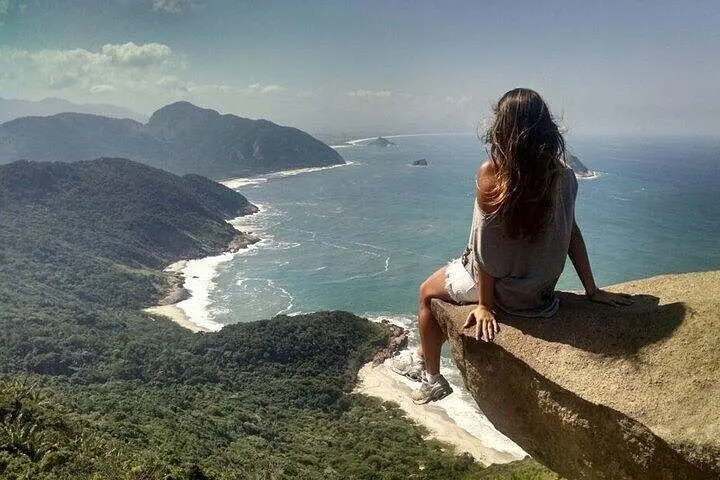
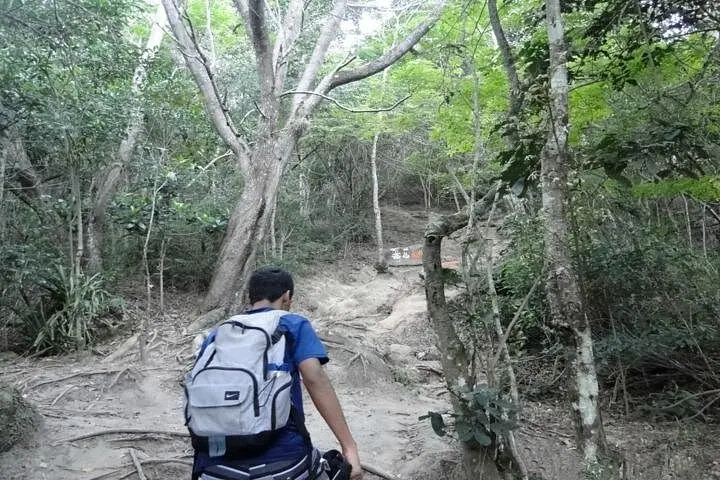
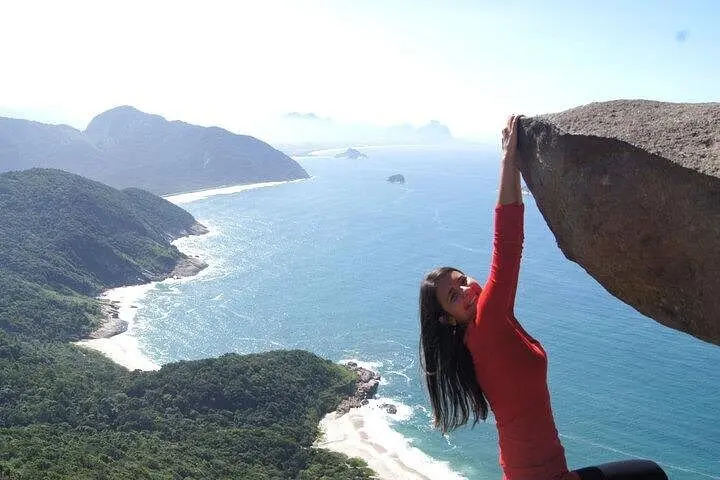
The morning drive slides along Rio’s western coastline — salt-laced air, ocean cliffs unspooling past car windows, and the guide pointing out photo stops before the trailhead. You step out where the road meets Atlantic Forest, then begin the 1.5 km climb: compacted dirt, exposed roots and short, steeper pitches that demand a steady pace. At the summit the Telegraph Stone sits 354 m above sea level; the cliff-tip view throws open valleys, mangrove islets and an ocean that seems to push at the land.
Verified experiences and guided adventures in the surrounding area.
Operated by Gregtur Turismo · Rio de Janeiro, Rio de Janeiro
The morning drive slides along Rio’s western coastline — salt-laced air, ocean cliffs unspooling past car windows, and the guide pointing out photo stops before the trailhead. You step out where the road meets Atlantic Forest, then begin the 1.5 km climb: compacted dirt, exposed roots and short, steeper pitches that demand a steady pace. At the summit the Telegraph Stone sits 354 m above sea level; the cliff-tip view throws open valleys, mangrove islets and an ocean that seems to push at the land.
Geologically the outcrop is part of Rio’s coastal granite, weathered into the blunt boulders locals call “pedras.” The route crosses secondary-growth forest that has reclaimed old farmlands; nearby beaches like Grumari still show traces of small fishing communities and protected coastal reserves created to limit new development.
Expect 50 minutes up at a moderate pace, time for iconic cliff photos and 90–120 minutes ashore afterward at a rustic seafood restaurant built in the trees. The tour finishes with unhurried beach time at Grumari and a stop at a local cachaça producer for a brief tasting.
Practical edge: start early to avoid queues at the cliff, wear decent treaded shoes, carry 1–2 liters of water and reef-safe sunscreen, and budget for lunch and tips. Weather can shift quickly — thunderstorms in summer are common — so bring a light rain layer. The route is physically moderate but technical skills are minimal; good footwear and steady legs are the key to enjoying the view and the surf that dares you to wade in.
The trail is about 1.5 km each way and typically takes roughly 50 minutes uphill at a normal pace.
The photo spot is on a rocky edge; guides manage crowds and identify the safest positions — follow their instructions and avoid risky poses.
No, lunch is not included; the itinerary stops at a rustic seafood restaurant where guests pay separately for their meal and drinks.
Participants should have moderate fitness; those with serious mobility issues or heart/spinal conditions are not recommended for this activity.
Gregtur Turismo operates guided outdoor trips and adventures with an emphasis on safety, stewardship, and memorable experiences.
The morning drive slides along Rio’s western coastline — salt-laced air, ocean cliffs unspooling past car windows, and the guide pointing out photo stops before the trailhead. You step out where the road meets Atlantic Forest, then begin the 1.5 km climb: compacted dirt, exposed roots and short, steeper pitches that demand a steady pace. At the summit the Telegraph Stone sits 354 m above sea level; the cliff-tip view throws open valleys, mangrove islets and an ocean that seems to push at the land.
The morning drive slides along Rio’s western coastline — salt-laced air, ocean cliffs unspooling past car windows, and the guide pointing out photo stops before the trailhead. You step out where the road meets Atlantic Forest, then begin the 1.5 km climb: compacted dirt, exposed roots and short, steeper pitches that demand a steady pace. At the summit the Telegraph Stone sits 354 m above sea level; the cliff-tip view throws open valleys, mangrove islets and an ocean that seems to push at the land.
Geologically the outcrop is part of Rio’s coastal granite, weathered into the blunt boulders locals call “pedras.” The route crosses secondary-growth forest that has reclaimed old farmlands; nearby beaches like Grumari still show traces of small fishing communities and protected coastal reserves created to limit new development.
Expect 50 minutes up at a moderate pace, time for iconic cliff photos and 90–120 minutes ashore afterward at a rustic seafood restaurant built in the trees. The tour finishes with unhurried beach time at Grumari and a stop at a local cachaça producer for a brief tasting.
Practical edge: start early to avoid queues at the cliff, wear decent treaded shoes, carry 1–2 liters of water and reef-safe sunscreen, and budget for lunch and tips. Weather can shift quickly — thunderstorms in summer are common — so bring a light rain layer. The route is physically moderate but technical skills are minimal; good footwear and steady legs are the key to enjoying the view and the surf that dares you to wade in.