THE ADVENTURE COLLECTIVE® · Independent discovery and booking for outdoor travel

Step into one of Grand Cayman’s oldest stone houses and trace island history from plantation rooms to the spot where emancipation was proclaimed, then sample seven local rums at the Outpost Bar. This guided visit pairs tangible history with a concise, flavorful tasting.
Step into one of Grand Cayman’s oldest stone houses and trace island history from plantation rooms to the spot where emancipation was proclaimed, then sample seven local rums at the Outpost Bar. This guided visit pairs tangible history with a concise, flavorful tasting.
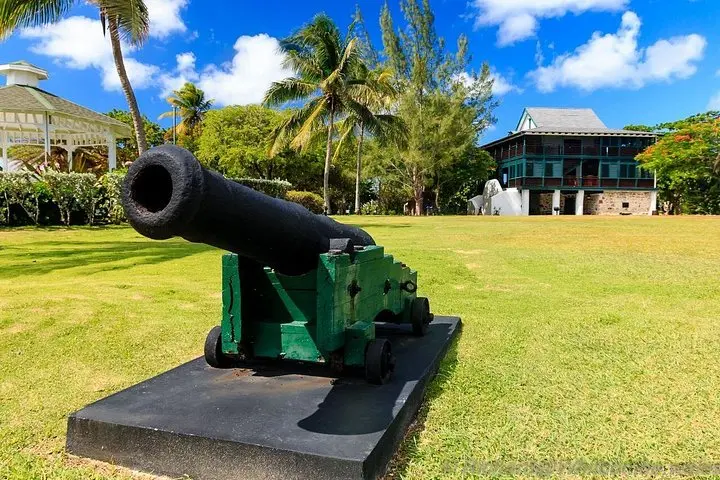
A warm sea breeze pushes across manicured lawn and lifts the smell of salt and citrus as you approach Pedro St. James. The Great House rises plain and purposeful against the western shore of Grand Cayman; its coral-stone foundation and shuttered windows read like pages of an island chronicle. Inside, a guided narration and a 3D multi-sensory film pull you back to the 1700s, while the gardens lay out quiet ocean views that dare you to linger.
Verified experiences and guided adventures in the surrounding area.
Operated by Pedro St. James - National Historic Site · Savannah, Grand Cayman
A warm sea breeze pushes across manicured lawn and lifts the smell of salt and citrus as you approach Pedro St. James. The Great House rises plain and purposeful against the western shore of Grand Cayman; its coral-stone foundation and shuttered windows read like pages of an island chronicle. Inside, a guided narration and a 3D multi-sensory film pull you back to the 1700s, while the gardens lay out quiet ocean views that dare you to linger.
Pedro St. James is one of the oldest surviving stone structures on Grand Cayman. The site traces colonial architecture, plantation-era stories and the moment the Abolition proclamation was publicly read in the islands — a local pivot in 19th-century Caribbean history. Geologically, the property sits on low limestone bedrock shaped by wind and sea; the garden soils are shallow and salt-sprayed, favoring native shrubs and coastal grasses.
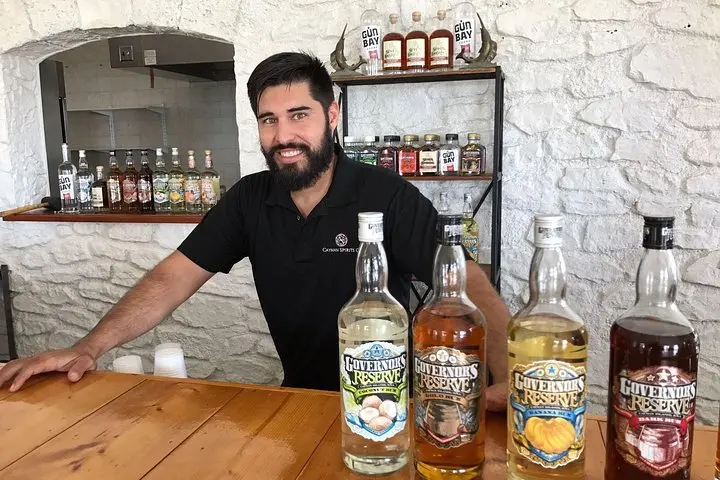
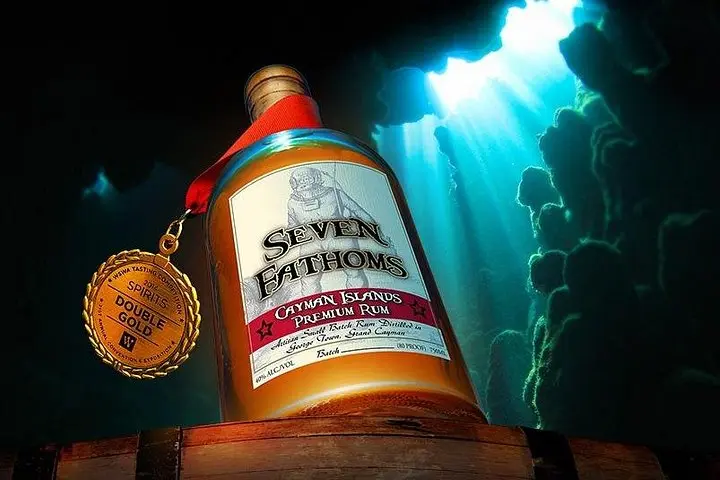
Culturally, the Great House functions as a living museum: period rooms display artifacts, while interpreters connect local genealogy, plantation life and Caymanian resilience. The experience finishes at the Outpost Bar with a tasting of seven rums from Cayman Spirits Co., pairing robust molasses notes with brighter pot-still expressions.
Practical guidance: the standard visit runs 60–90 minutes on-site (about 2.5 hours including transit if you join a tour). Bring government photo ID to sample spirits; wear comfortable walking shoes and sun protection for the grounds. The site is mostly accessible but the upper floors are not wheelchair-friendly. Public buses (NS, EE, BT, #9), taxis or tour transfers link to George Town and cruise ports. Move deliberately through rooms and gardens — the place rewards attention.
On-site guided tour and rum tasting take 60–90 minutes; with transport from central pickup points the full program can run about 2–2.5 hours.
Yes. You must be at least 18 and present valid government-issued photo ID to sample rums.
Most ground-floor exhibits and gardens are accessible, but the 2nd and 3rd floors are not wheelchair-friendly—contact staff for alternatives.
Yes. Local buses (NS, EE, BT and route #9) stop nearby; taxis and tour transfers are also common from George Town and cruise ports.
Pedro St. James - National Historic Site operates guided outdoor trips and adventures with an emphasis on safety, stewardship, and memorable experiences.
A warm sea breeze pushes across manicured lawn and lifts the smell of salt and citrus as you approach Pedro St. James. The Great House rises plain and purposeful against the western shore of Grand Cayman; its coral-stone foundation and shuttered windows read like pages of an island chronicle. Inside, a guided narration and a 3D multi-sensory film pull you back to the 1700s, while the gardens lay out quiet ocean views that dare you to linger.
A warm sea breeze pushes across manicured lawn and lifts the smell of salt and citrus as you approach Pedro St. James. The Great House rises plain and purposeful against the western shore of Grand Cayman; its coral-stone foundation and shuttered windows read like pages of an island chronicle. Inside, a guided narration and a 3D multi-sensory film pull you back to the 1700s, while the gardens lay out quiet ocean views that dare you to linger.
Pedro St. James is one of the oldest surviving stone structures on Grand Cayman. The site traces colonial architecture, plantation-era stories and the moment the Abolition proclamation was publicly read in the islands — a local pivot in 19th-century Caribbean history. Geologically, the property sits on low limestone bedrock shaped by wind and sea; the garden soils are shallow and salt-sprayed, favoring native shrubs and coastal grasses.
Culturally, the Great House functions as a living museum: period rooms display artifacts, while interpreters connect local genealogy, plantation life and Caymanian resilience. The experience finishes at the Outpost Bar with a tasting of seven rums from Cayman Spirits Co., pairing robust molasses notes with brighter pot-still expressions.
Practical guidance: the standard visit runs 60–90 minutes on-site (about 2.5 hours including transit if you join a tour). Bring government photo ID to sample spirits; wear comfortable walking shoes and sun protection for the grounds. The site is mostly accessible but the upper floors are not wheelchair-friendly. Public buses (NS, EE, BT, #9), taxis or tour transfers link to George Town and cruise ports. Move deliberately through rooms and gardens — the place rewards attention.