THE ADVENTURE COLLECTIVE® · Independent discovery and booking for outdoor travel

A single-day trek from Marangu Gate to Mandara Hut and the Maundi Crater offers a compact but vivid preview of Kilimanjaro’s ecosystems—rainforest, crater rim views and the people who live on the mountain’s skirts. Perfect for travelers short on time or testing themselves for a longer climb.
A single-day trek from Marangu Gate to Mandara Hut and the Maundi Crater offers a compact but vivid preview of Kilimanjaro’s ecosystems—rainforest, crater rim views and the people who live on the mountain’s skirts. Perfect for travelers short on time or testing themselves for a longer climb.
The pickup from Moshi happens before dawn, when the town’s streetlights still blink and the first lamps in coffee farms wink out. The van climbs away from the plains, and Kilimanjaro’s broad shoulder slides into view—an island of ice and rock rising from green farmland. By the time you reach Marangu Gate the forest has already begun to breathe: mist hangs low, leaves drip, and the trail ahead is a ribbon cutting through moss-draped trees.
Verified experiences and guided adventures in the surrounding area.
Operated by Take Me To Tanzania Adventure & Safaris · Moshi, Kilimanjaro Region
The pickup from Moshi happens before dawn, when the town’s streetlights still blink and the first lamps in coffee farms wink out. The van climbs away from the plains, and Kilimanjaro’s broad shoulder slides into view—an island of ice and rock rising from green farmland. By the time you reach Marangu Gate the forest has already begun to breathe: mist hangs low, leaves drip, and the trail ahead is a ribbon cutting through moss-draped trees.
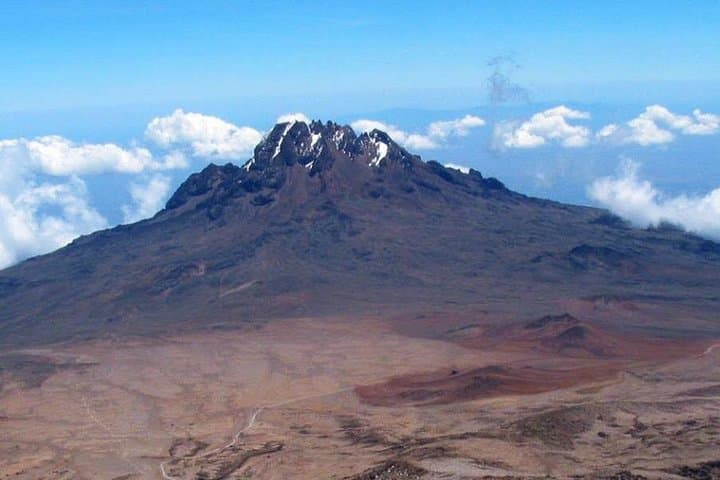
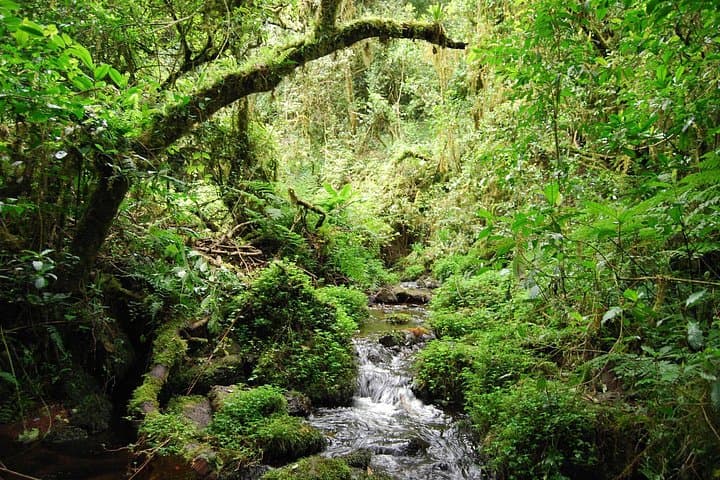
You register, tap a park card into your passport, and step beneath a canopy where sunlight comes through in shards. The route to Mandara Hut pushes through montane rainforest—tight, root-strewn trails, occasional rock steps and the sound of birds that treat the canopy like a marketplace. The path gains roughly 700–900 meters in elevation (Marangu Gate is ~1,860 m; Mandara Hut around 2,700 m) over about 5–6 km one-way, a steady climb that surprises unprepared legs. Near the hut you can take a short, steeper spur to Maundi Crater; from its rim the view opens east toward Taveta and northwest to the serrated face of Mawenzi.
Kilimanjaro itself is a layered story of geology and culture. The mountain is a three-peaked volcanic massif—Kibo, Mawenzi and Shira—formed by long-ago eruptions. The summit’s dwindling glacier crowns an otherwise warm, equatorial region, a visible reminder of climate change. Locally, the Chagga (often spelled Wachagga) people farm the lower slopes—bananas, coffee and maize—on ancient terraces, and their villages and trade routes shaped how the mountain has been used for centuries.
Down-to-earth travel notes: the trail is often muddy after rain, and the rainforest can feel humid and cool in the shade, brisk in the wind. Wildlife—colobus monkeys, sunbirds and mongoose—are common, and you’ll pass hikers on multi-day treks returning from or heading toward the summit; exchange a knowing nod. The hut offers a simple lunch and a chance to sit with a hot drink before the brief, sharp scramble to Maundi.
Practical guidance: aim for a slow, steady pace—this isn’t a race. Hydrate early and often; start from Moshi with layers to shed as the sun warms the lower forest and to add when wind hits the crater rim. If you have any cardiovascular or spinal concerns, consider skipping the crater spur and enjoy the hut views instead.
This day hike is an accessible window into what summiting Kilimanjaro feels like—height, changing ecosystems, and that unexpected sense of being on a mountain that watches the plains below. It’s a taste of altitude, culture and raw landscape that leaves most people planning their next, longer approach.
Yes—entry to Kilimanjaro National Park is required and registration occurs at Marangu Gate; the operator handles permits as part of the tour.
It’s a useful short exposure to altitude but not enough alone to ensure acclimatization for a summit—use longer multi-day routes for proper acclimatization.
The crater spur is short but steeper and rockier than the approach to Mandara Hut—careful footing required, especially after rain.
Expect forest birds, colobus monkeys and small mammals like mongoose; sightings are more likely in the quieter morning hours.
Yes—the tour includes a hut lunch and bottled water as listed in the inclusions.
Yes—operators offer hotel and airport pickup, but you’ll be asked to provide exact pickup details when booking.
Take Me To Tanzania Adventure & Safaris operates guided outdoor trips and adventures with an emphasis on safety, stewardship, and memorable experiences.
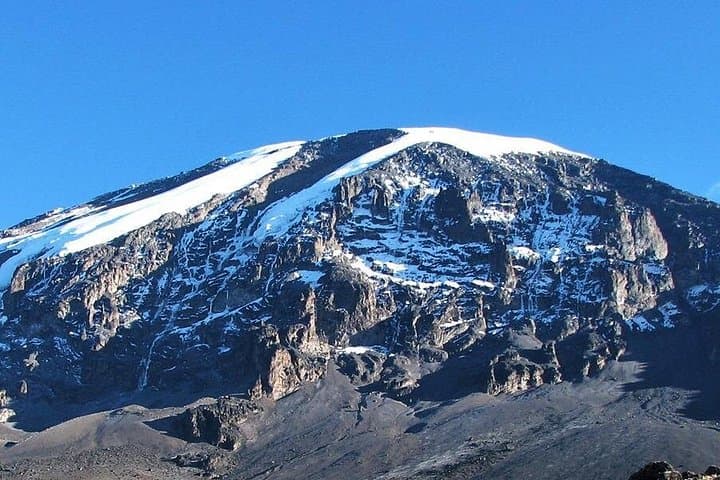
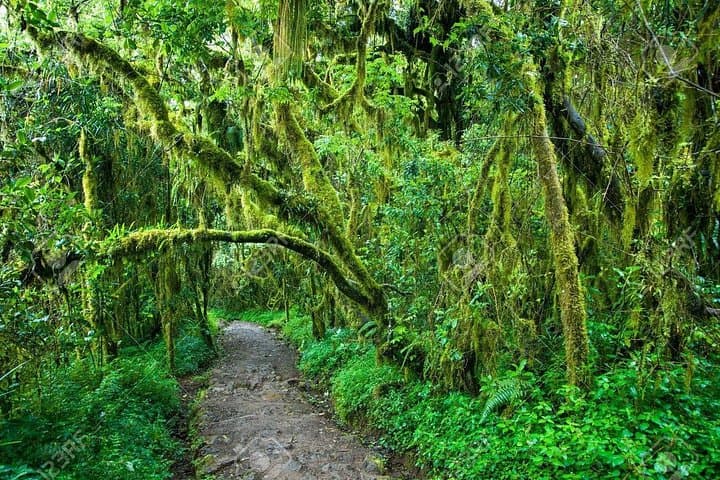
The pickup from Moshi happens before dawn, when the town’s streetlights still blink and the first lamps in coffee farms wink out. The van climbs away from the plains, and Kilimanjaro’s broad shoulder slides into view—an island of ice and rock rising from green farmland. By the time you reach Marangu Gate the forest has already begun to breathe: mist hangs low, leaves drip, and the trail ahead is a ribbon cutting through moss-draped trees.
The pickup from Moshi happens before dawn, when the town’s streetlights still blink and the first lamps in coffee farms wink out. The van climbs away from the plains, and Kilimanjaro’s broad shoulder slides into view—an island of ice and rock rising from green farmland. By the time you reach Marangu Gate the forest has already begun to breathe: mist hangs low, leaves drip, and the trail ahead is a ribbon cutting through moss-draped trees.
You register, tap a park card into your passport, and step beneath a canopy where sunlight comes through in shards. The route to Mandara Hut pushes through montane rainforest—tight, root-strewn trails, occasional rock steps and the sound of birds that treat the canopy like a marketplace. The path gains roughly 700–900 meters in elevation (Marangu Gate is ~1,860 m; Mandara Hut around 2,700 m) over about 5–6 km one-way, a steady climb that surprises unprepared legs. Near the hut you can take a short, steeper spur to Maundi Crater; from its rim the view opens east toward Taveta and northwest to the serrated face of Mawenzi.
Kilimanjaro itself is a layered story of geology and culture. The mountain is a three-peaked volcanic massif—Kibo, Mawenzi and Shira—formed by long-ago eruptions. The summit’s dwindling glacier crowns an otherwise warm, equatorial region, a visible reminder of climate change. Locally, the Chagga (often spelled Wachagga) people farm the lower slopes—bananas, coffee and maize—on ancient terraces, and their villages and trade routes shaped how the mountain has been used for centuries.
Down-to-earth travel notes: the trail is often muddy after rain, and the rainforest can feel humid and cool in the shade, brisk in the wind. Wildlife—colobus monkeys, sunbirds and mongoose—are common, and you’ll pass hikers on multi-day treks returning from or heading toward the summit; exchange a knowing nod. The hut offers a simple lunch and a chance to sit with a hot drink before the brief, sharp scramble to Maundi.
Practical guidance: aim for a slow, steady pace—this isn’t a race. Hydrate early and often; start from Moshi with layers to shed as the sun warms the lower forest and to add when wind hits the crater rim. If you have any cardiovascular or spinal concerns, consider skipping the crater spur and enjoy the hut views instead.
This day hike is an accessible window into what summiting Kilimanjaro feels like—height, changing ecosystems, and that unexpected sense of being on a mountain that watches the plains below. It’s a taste of altitude, culture and raw landscape that leaves most people planning their next, longer approach.