THE ADVENTURE COLLECTIVE® · Independent discovery and booking for outdoor travel

Spend a private day driving the Pelješac spine from Dubrovnik to sample Dingač wines and Mali Ston oysters. This full-day luxury tour blends panoramic coastal drives, cellar visits, and the history of Ston’s ancient walls.
Spend a private day driving the Pelješac spine from Dubrovnik to sample Dingač wines and Mali Ston oysters. This full-day luxury tour blends panoramic coastal drives, cellar visits, and the history of Ston’s ancient walls.
The road lifts away from Dubrovnik and the Adriatic opens like a cool, briny hand inviting you west toward Pelješac. Low, stone-dry hills roll into terraces where gnarled vines cling to karst soil; the sea presses in from one side, the Pelješac channel on the other. Your private Mercedes hums along the coast, and the day becomes a study in salt, stone and grapes.
Verified experiences and guided adventures in the surrounding area.
Operated by Touch Croatia · Ston, Dubrovnik-Neretva County
The road lifts away from Dubrovnik and the Adriatic opens like a cool, briny hand inviting you west toward Pelješac. Low, stone-dry hills roll into terraces where gnarled vines cling to karst soil; the sea presses in from one side, the Pelješac channel on the other. Your private Mercedes hums along the coast, and the day becomes a study in salt, stone and grapes.
Pelješac's story is carved into the 14th-century Walls of Ston — a fortified line built by the Republic of Ragusa to protect salt pans and trade. Geologically, the peninsula is limestone karst: thin soils, good drainage, and steep slopes that force vines to concentrate sugars, which is why Plavac Mali wines like Dingač and Postup have such intensity. The culture blends maritime work—oyster farming in Mali Ston—with rugged viticulture on exposed ridges.
On this private, 10-hour tour expect panoramic drives, short cellar walks, and seated tastings at family-run cellars, paired with freshly farmed oysters. Walking is minimal but surfaces can be cobble or uneven at historic sites, so plan for stability more than endurance.
Practical guide: start early in summer to avoid midday heat, bring cash for small purchases, and carry a light layer for coastal breezes. Pace tastings, sip water between pours, and save space for oysters—Mali Ston’s bivalves are a local specialty. Respect vineyards: stay on paths, ask before photographing faces of producers, and pack out any trash.
This is a day that balances sensory rewards—salty air, tannic depth—and straightforward logistics: private pickup, English-speaking driver, and a full day of coastal driving and sampling.
Yes — the tour includes pickup from Dubrovnik hotels or a meeting point at Pile Gate if you prefer to meet in Old Town.
The tour includes several cellar visits and water; specific food tastings such as oysters are typically included but confirm details at booking for any extra purchases.
Children can join; infant seats are available on request. Wine tastings are adults-only, and some walking areas may be uneven for strollers.
Yes — most wineries sell bottles directly; bring space in your luggage and check customs rules for international transport.
Touch Croatia operates guided outdoor trips and adventures with an emphasis on safety, stewardship, and memorable experiences.


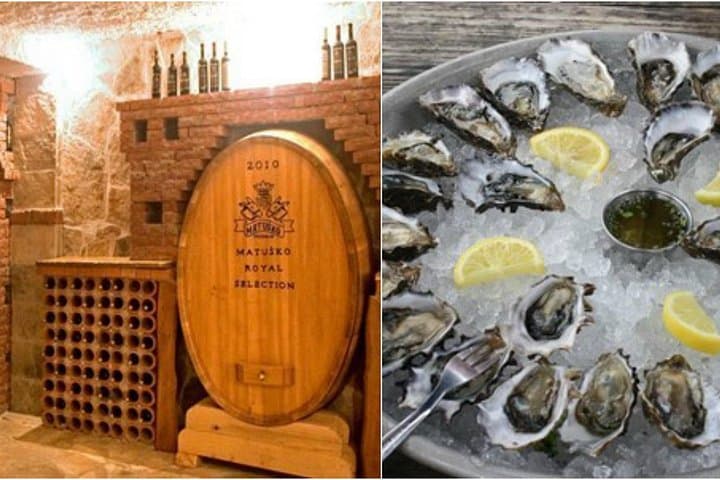

The road lifts away from Dubrovnik and the Adriatic opens like a cool, briny hand inviting you west toward Pelješac. Low, stone-dry hills roll into terraces where gnarled vines cling to karst soil; the sea presses in from one side, the Pelješac channel on the other. Your private Mercedes hums along the coast, and the day becomes a study in salt, stone and grapes.
The road lifts away from Dubrovnik and the Adriatic opens like a cool, briny hand inviting you west toward Pelješac. Low, stone-dry hills roll into terraces where gnarled vines cling to karst soil; the sea presses in from one side, the Pelješac channel on the other. Your private Mercedes hums along the coast, and the day becomes a study in salt, stone and grapes.
Pelješac's story is carved into the 14th-century Walls of Ston — a fortified line built by the Republic of Ragusa to protect salt pans and trade. Geologically, the peninsula is limestone karst: thin soils, good drainage, and steep slopes that force vines to concentrate sugars, which is why Plavac Mali wines like Dingač and Postup have such intensity. The culture blends maritime work—oyster farming in Mali Ston—with rugged viticulture on exposed ridges.
On this private, 10-hour tour expect panoramic drives, short cellar walks, and seated tastings at family-run cellars, paired with freshly farmed oysters. Walking is minimal but surfaces can be cobble or uneven at historic sites, so plan for stability more than endurance.
Practical guide: start early in summer to avoid midday heat, bring cash for small purchases, and carry a light layer for coastal breezes. Pace tastings, sip water between pours, and save space for oysters—Mali Ston’s bivalves are a local specialty. Respect vineyards: stay on paths, ask before photographing faces of producers, and pack out any trash.
This is a day that balances sensory rewards—salty air, tannic depth—and straightforward logistics: private pickup, English-speaking driver, and a full day of coastal driving and sampling.