THE ADVENTURE COLLECTIVE® · Independent discovery and booking for outdoor travel

Trade Dubrovnik’s crowds for a coastal day of oysters and coastal reds on Pelješac. Taste fresh-from-the-sea shellfish and visit two contrasting wineries while learning about local salt pans, stone walls, and karst vineyards.
Trade Dubrovnik’s crowds for a coastal day of oysters and coastal reds on Pelješac. Taste fresh-from-the-sea shellfish and visit two contrasting wineries while learning about local salt pans, stone walls, and karst vineyards.
You leave Dubrovnik’s stone alleys behind and drive the coast road as the Adriatic slides past the window—salt-sweet wind tugging at your jacket, islands shrinking into the distance. A stop at the Bridge of Dubrovnik frames the Elaphiti Islands before the road climbs onto the Pelješac peninsula, where limestone ridges push the sea into sheltered bays and the air tastes faintly of brine.
Verified experiences and guided adventures in the surrounding area.
Operated by Experience Dubrovnik · Ston, Dubrovnik-Neretva County
You leave Dubrovnik’s stone alleys behind and drive the coast road as the Adriatic slides past the window—salt-sweet wind tugging at your jacket, islands shrinking into the distance. A stop at the Bridge of Dubrovnik frames the Elaphiti Islands before the road climbs onto the Pelješac peninsula, where limestone ridges push the sea into sheltered bays and the air tastes faintly of brine.
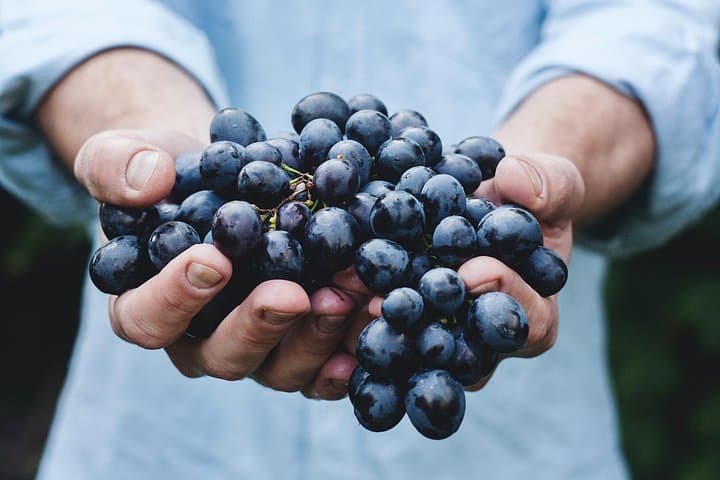
Ston and Mali Ston have been shaped by salt and vine for centuries. The 14th-century walls that guard the town and the ancient salt pans nearby tell a straightforward story of maritime trade, defense, and local enterprise. Geologically, Pelješac is a karst landscape: jagged bedrock, thin soils, and terraces painstakingly carved by generations to support vines and olives.
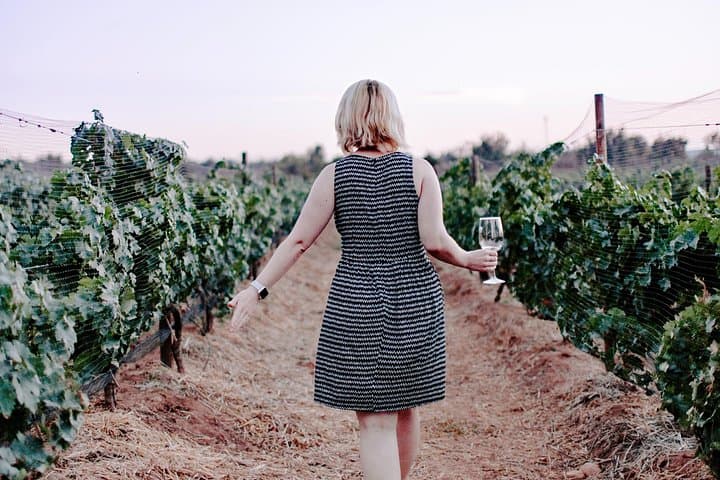
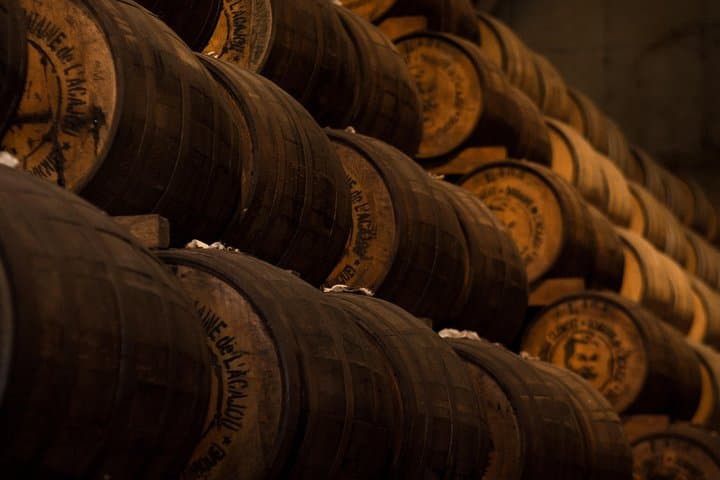
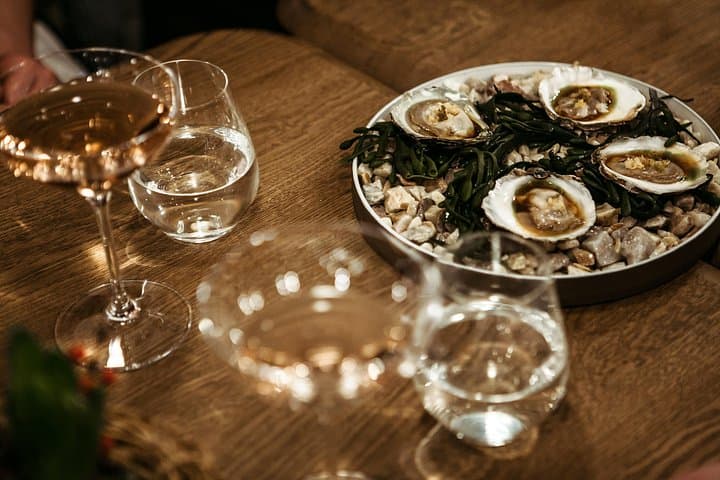
On this private day trip you’ll watch oyster farmers open flat shells at the water’s edge, then compare regional wines at two distinct cellars—one modern and mineral-driven, the other rustic with locally produced cheese and olive oil. The contrast clarifies why Dingač and Postup wines command attention.
Practical notes: the tour covers roughly 7 hours with multiple short walks—some cobbled streets and coastal ramps—so comfortable shoes and sun protection are essential. Bring a light layer for offshore breezes and flag any seafood allergies ahead of time. Expect small-group pacing, a mix of tasting formats, and time to buy bottles at the wineries.
This trip gives a compact education in Dalmatian coastal culture: oysters that taste of seagrass, terraces that produce concentrated reds, and the steady work of people who keep the region’s flavors alive.
Yes—private tours typically include pickup from Dubrovnik; confirm your exact pickup point on booking.
Inform the operator in advance; most hosts can provide alternative tasting items or skip oyster portions.
Accessibility varies by winery—some have uneven paths and steps; contact the operator before booking to discuss accommodations.
Yes, most wineries sell bottles on site and can arrange packing; check export rules for your country if flying.
Experience Dubrovnik operates guided outdoor trips and adventures with an emphasis on safety, stewardship, and memorable experiences.
You leave Dubrovnik’s stone alleys behind and drive the coast road as the Adriatic slides past the window—salt-sweet wind tugging at your jacket, islands shrinking into the distance. A stop at the Bridge of Dubrovnik frames the Elaphiti Islands before the road climbs onto the Pelješac peninsula, where limestone ridges push the sea into sheltered bays and the air tastes faintly of brine.
You leave Dubrovnik’s stone alleys behind and drive the coast road as the Adriatic slides past the window—salt-sweet wind tugging at your jacket, islands shrinking into the distance. A stop at the Bridge of Dubrovnik frames the Elaphiti Islands before the road climbs onto the Pelješac peninsula, where limestone ridges push the sea into sheltered bays and the air tastes faintly of brine.
Ston and Mali Ston have been shaped by salt and vine for centuries. The 14th-century walls that guard the town and the ancient salt pans nearby tell a straightforward story of maritime trade, defense, and local enterprise. Geologically, Pelješac is a karst landscape: jagged bedrock, thin soils, and terraces painstakingly carved by generations to support vines and olives.
On this private day trip you’ll watch oyster farmers open flat shells at the water’s edge, then compare regional wines at two distinct cellars—one modern and mineral-driven, the other rustic with locally produced cheese and olive oil. The contrast clarifies why Dingač and Postup wines command attention.
Practical notes: the tour covers roughly 7 hours with multiple short walks—some cobbled streets and coastal ramps—so comfortable shoes and sun protection are essential. Bring a light layer for offshore breezes and flag any seafood allergies ahead of time. Expect small-group pacing, a mix of tasting formats, and time to buy bottles at the wineries.
This trip gives a compact education in Dalmatian coastal culture: oysters that taste of seagrass, terraces that produce concentrated reds, and the steady work of people who keep the region’s flavors alive.