THE ADVENTURE COLLECTIVE® · Independent discovery and booking for outdoor travel

Drive the scenic Pelješac peninsula from Dubrovnik for an eight‑hour private tour of family wineries, two tastings, a light local lunch, and a stop at historic Ston and its salt pans. Expect intimate cellar visits, rugged coastal views, and a practical immersion in Croatian viticulture.
Drive the scenic Pelješac peninsula from Dubrovnik for an eight‑hour private tour of family wineries, two tastings, a light local lunch, and a stop at historic Ston and its salt pans. Expect intimate cellar visits, rugged coastal views, and a practical immersion in Croatian viticulture.
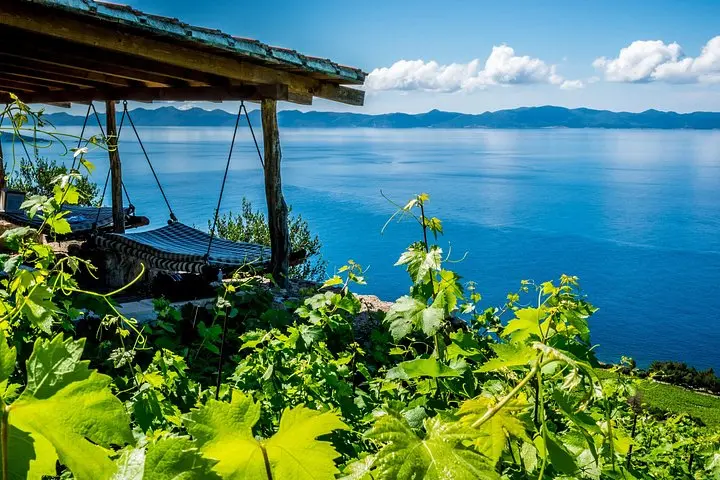
The road onto Pelješac opens like a slow exhale: limestone ridges slide by, vineyards slope toward the Adriatic, and the sea glints between rows of stony terraces. You arrive in a place where grapevines seem to lean out to taste the salt air, and the day’s pace is set by glasses being poured and stories told at kitchen tables.
Verified experiences and guided adventures in the surrounding area.
Operated by Korkyra Dubrovnik · Ston, Dubrovnik-Neretva County
The road onto Pelješac opens like a slow exhale: limestone ridges slide by, vineyards slope toward the Adriatic, and the sea glints between rows of stony terraces. You arrive in a place where grapevines seem to lean out to taste the salt air, and the day’s pace is set by glasses being poured and stories told at kitchen tables.
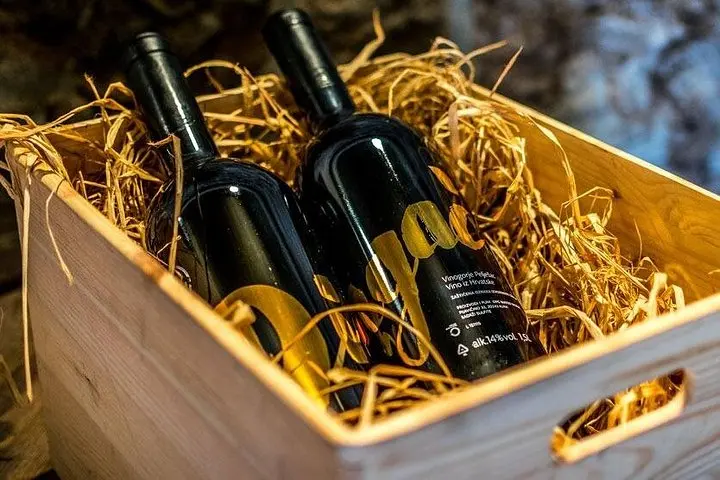
This peninsula has been shaping wine—and history—for centuries. Ston’s salt pans, once vital to the Dubrovnik Republic, financed stone walls built to protect a commodity as valuable as coin. Geology here is mostly karst: porous limestone that drains freely, stressing vines into concentrated, tannic reds, especially the region’s celebrated Plavac Mali.
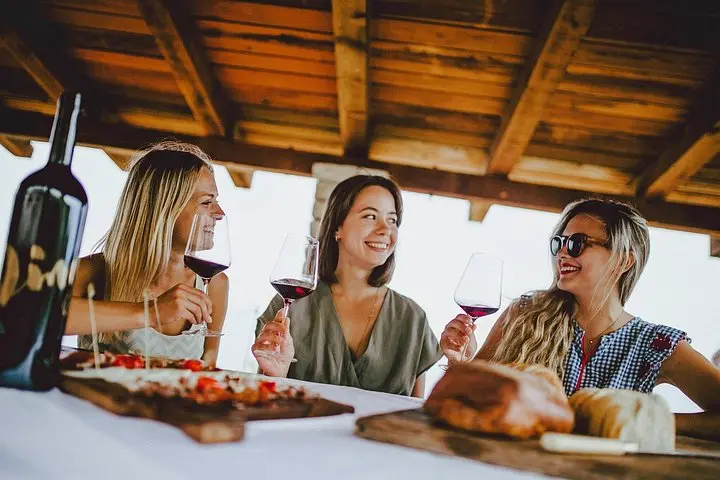
Culture on Pelješac is intimate and hands-on. Small family-run wineries open cellars rather than showrooms; tastings often pair local paškari, smoked cheeses, and olive oil. You’ll stop in Putnikovići for a compact wine museum and in Ston for a short walk by the ramparts and salt pans before returning across the modern Pelješac Bridge with its sweeping photo vantage.
Practical guidance: plan for an eight-hour private tour from Dubrovnik with two organized wine tastings and a light local lunch. Wear sturdy shoes for short uneven surfaces at wineries, bring sunscreen and a reusable water bottle, and reserve the late afternoon slot to avoid midday heat in summer. Ask hosts about grape varieties and cellar techniques—locals love to explain why this land makes the wines it does.
This private half‑day tour runs about eight hours and includes private transportation, two organized wine tastings, snacks, a light local lunch, and short stops in Ston and vineyard viewpoints.
Yes — booking questions allow you to provide transfer arrival details; confirm pickup point and time when you reserve.
Non‑drinkers can still join; hosts typically offer soft drinks and snacks. Infants must sit on laps; infant seats may be available.
The itinerary includes about 30–40 minutes in Ston for individual activities—enough for a short stroll and photos, but a full wall walk requires extra time.
Korkyra Dubrovnik operates guided outdoor trips and adventures with an emphasis on safety, stewardship, and memorable experiences.

The road onto Pelješac opens like a slow exhale: limestone ridges slide by, vineyards slope toward the Adriatic, and the sea glints between rows of stony terraces. You arrive in a place where grapevines seem to lean out to taste the salt air, and the day’s pace is set by glasses being poured and stories told at kitchen tables.
The road onto Pelješac opens like a slow exhale: limestone ridges slide by, vineyards slope toward the Adriatic, and the sea glints between rows of stony terraces. You arrive in a place where grapevines seem to lean out to taste the salt air, and the day’s pace is set by glasses being poured and stories told at kitchen tables.
This peninsula has been shaping wine—and history—for centuries. Ston’s salt pans, once vital to the Dubrovnik Republic, financed stone walls built to protect a commodity as valuable as coin. Geology here is mostly karst: porous limestone that drains freely, stressing vines into concentrated, tannic reds, especially the region’s celebrated Plavac Mali.
Culture on Pelješac is intimate and hands-on. Small family-run wineries open cellars rather than showrooms; tastings often pair local paškari, smoked cheeses, and olive oil. You’ll stop in Putnikovići for a compact wine museum and in Ston for a short walk by the ramparts and salt pans before returning across the modern Pelješac Bridge with its sweeping photo vantage.
Practical guidance: plan for an eight-hour private tour from Dubrovnik with two organized wine tastings and a light local lunch. Wear sturdy shoes for short uneven surfaces at wineries, bring sunscreen and a reusable water bottle, and reserve the late afternoon slot to avoid midday heat in summer. Ask hosts about grape varieties and cellar techniques—locals love to explain why this land makes the wines it does.