THE ADVENTURE COLLECTIVE® · Independent discovery and booking for outdoor travel

Descend into Pellumbas Cave’s cool galleries and hike the narrow Erzeni Canyon on a private day tour from Kruja. Expect karst limestone formations, river-carved cliffs, a moderate hike, and local history stretching back to the Paleolithic.
Descend into Pellumbas Cave’s cool galleries and hike the narrow Erzeni Canyon on a private day tour from Kruja. Expect karst limestone formations, river-carved cliffs, a moderate hike, and local history stretching back to the Paleolithic.
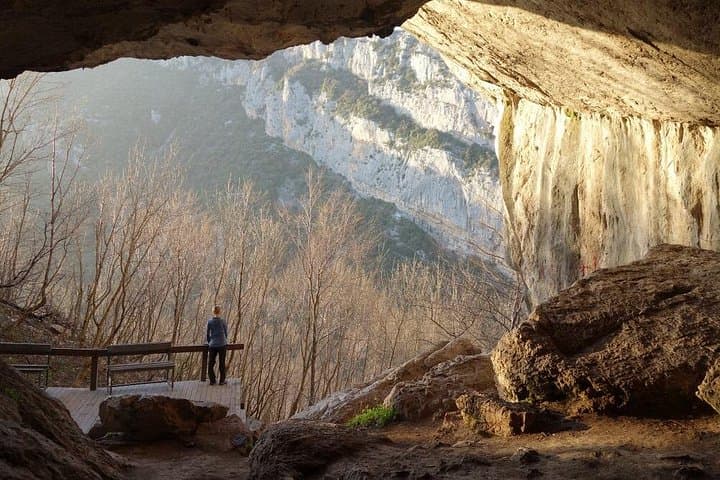
You round a blind hairpin and the limestone wall opens like a page ripped free: a black throat in the hillside—the mouth of Pellumbas Cave—breathes cool air across the lane. A local guide checks headlamps and maps as the group tightens jacket zippers against the cave’s chill. Later, the Erzeni River will dare you forward, chattering through a narrow canyon where cliffs lean in and the trail threads between moss and sunlit water.
Verified experiences and guided adventures in the surrounding area.
Operated by Opatrip.com Albania · Tirana, Tirana County
You round a blind hairpin and the limestone wall opens like a page ripped free: a black throat in the hillside—the mouth of Pellumbas Cave—breathes cool air across the lane. A local guide checks headlamps and maps as the group tightens jacket zippers against the cave’s chill. Later, the Erzeni River will dare you forward, chattering through a narrow canyon where cliffs lean in and the trail threads between moss and sunlit water.
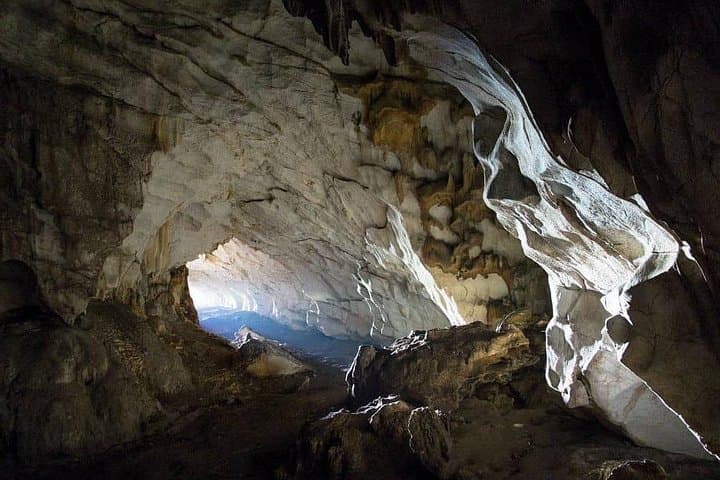
Pellumbas Cave (Shpella e Pëllumbasit) is not just a dramatic entrance to the underworld; it’s a book of human history. Archaeologists have found evidence that hunters used the cave during the Paleolithic, and the cave’s galleries reveal layered deposits of human and animal life. Geologically, you’re walking into karst country—limestone sculpted by water over millennia. Inside, stalactites and stalagmites hang like slow-growing chandeliers; outside, the Erzeni Canyon shows how the river chisels rock into ledges, pools, and tight gorges.
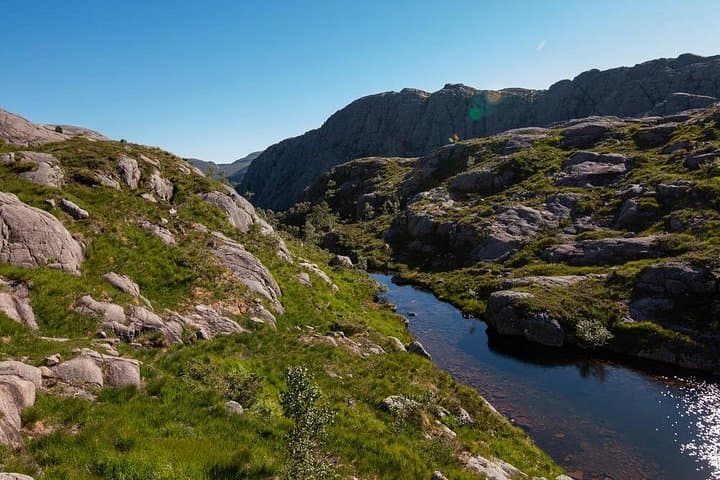
The route mixes contrasts: tight, echoing caverns where your headlamp pools light on ancient rock; then broad, leafy slopes and a river-bench trail through chestnut and oak forests. Wildlife is subtle but present—watch for songbirds, fox tracks, and the flash of a kingfisher where the water runs clear. Local villages around Kruja and Tirana still practice small-scale farming and shepherding, so you’ll pass terraced fields and stone walls that mark centuries of land use.
Practicalities are straightforward. The full private tour runs as a long day (8–10 hours door-to-door, depending on pickup point) and covers a mix of short cave scrambles and a 4–7 km hike through the canyon with roughly 200–400 meters of cumulative elevation change across the day. Trails are mostly natural: compact dirt, loose scree near the cave entrance, and rocky steps alongside the river. Good footwear with ankle support matters; bring at least 2 liters of water, a headlamp for inside the cave (many guides provide one but bring a backup), and a lightweight rain shell—summer storms can come up fast.
Guides handle logistics and local context; the private transfer from Kruja (or arranged pickup in Tirana) lets you focus on the landscape rather than the map. Weather can turn trail surfaces slick, and some parts of the cave can be damp and narrow—this tour is best-suited to travelers with moderate fitness and a willingness to move across uneven ground. End the day with a cup of strong coffee in Kruja or a late lunch in Tirana to compare impressions: the cavern’s hush and the river’s daring keep their own memories long after the drive home.
Pickups are offered from Kruja hotels and can be arranged from Tirana; drives typically run 30–60 minutes depending on the pickup point and traffic.
Cave passages include low ceilings and uneven floors but no technical climbing; a moderate level of mobility is required and people with spinal or heart issues are discouraged.
The tour price includes private transportation and a professional guide; any official site fees should be confirmed with the operator at booking.
Older children who are steady on uneven terrain can join, but very young kids may struggle with cave steps and longer canyon walks.
Late spring through early fall offers the best trail conditions; avoid heavy rains in winter when trails can be slippery or flooded.
Pets are generally not recommended due to narrow cave sections, protected areas, and potential disturbance to wildlife; check with the operator for exceptions.
Opatrip.com Albania operates guided outdoor trips and adventures with an emphasis on safety, stewardship, and memorable experiences.
You round a blind hairpin and the limestone wall opens like a page ripped free: a black throat in the hillside—the mouth of Pellumbas Cave—breathes cool air across the lane. A local guide checks headlamps and maps as the group tightens jacket zippers against the cave’s chill. Later, the Erzeni River will dare you forward, chattering through a narrow canyon where cliffs lean in and the trail threads between moss and sunlit water.
You round a blind hairpin and the limestone wall opens like a page ripped free: a black throat in the hillside—the mouth of Pellumbas Cave—breathes cool air across the lane. A local guide checks headlamps and maps as the group tightens jacket zippers against the cave’s chill. Later, the Erzeni River will dare you forward, chattering through a narrow canyon where cliffs lean in and the trail threads between moss and sunlit water.
Pellumbas Cave (Shpella e Pëllumbasit) is not just a dramatic entrance to the underworld; it’s a book of human history. Archaeologists have found evidence that hunters used the cave during the Paleolithic, and the cave’s galleries reveal layered deposits of human and animal life. Geologically, you’re walking into karst country—limestone sculpted by water over millennia. Inside, stalactites and stalagmites hang like slow-growing chandeliers; outside, the Erzeni Canyon shows how the river chisels rock into ledges, pools, and tight gorges.
The route mixes contrasts: tight, echoing caverns where your headlamp pools light on ancient rock; then broad, leafy slopes and a river-bench trail through chestnut and oak forests. Wildlife is subtle but present—watch for songbirds, fox tracks, and the flash of a kingfisher where the water runs clear. Local villages around Kruja and Tirana still practice small-scale farming and shepherding, so you’ll pass terraced fields and stone walls that mark centuries of land use.
Practicalities are straightforward. The full private tour runs as a long day (8–10 hours door-to-door, depending on pickup point) and covers a mix of short cave scrambles and a 4–7 km hike through the canyon with roughly 200–400 meters of cumulative elevation change across the day. Trails are mostly natural: compact dirt, loose scree near the cave entrance, and rocky steps alongside the river. Good footwear with ankle support matters; bring at least 2 liters of water, a headlamp for inside the cave (many guides provide one but bring a backup), and a lightweight rain shell—summer storms can come up fast.
Guides handle logistics and local context; the private transfer from Kruja (or arranged pickup in Tirana) lets you focus on the landscape rather than the map. Weather can turn trail surfaces slick, and some parts of the cave can be damp and narrow—this tour is best-suited to travelers with moderate fitness and a willingness to move across uneven ground. End the day with a cup of strong coffee in Kruja or a late lunch in Tirana to compare impressions: the cavern’s hush and the river’s daring keep their own memories long after the drive home.