THE ADVENTURE COLLECTIVE® · Independent discovery and booking for outdoor travel

Spend five hours eating through Penang’s street-food neighborhoods, visiting a hilltop Hindu temple and a hillside dam while learning the island’s culinary history. Expect six meals, short walks, and a local host who guides you through classic hawker flavors.
Spend five hours eating through Penang’s street-food neighborhoods, visiting a hilltop Hindu temple and a hillside dam while learning the island’s culinary history. Expect six meals, short walks, and a local host who guides you through classic hawker flavors.
You step off the tuk-tuk into a steam-warmed lane where charcoal smoke and chile paste press close, and a hawker ladle sends fragrant steam into the humid air. Plates arrive in quick succession—thin rice noodle, tangy laksa, a paper-wrapped banana cake—each bite a different thread in Penang’s living food culture.
Verified experiences and guided adventures in the surrounding area.
Operated by TEOH SHAN TATT TIGER · George Town, Penang
You step off the tuk-tuk into a steam-warmed lane where charcoal smoke and chile paste press close, and a hawker ladle sends fragrant steam into the humid air. Plates arrive in quick succession—thin rice noodle, tangy laksa, a paper-wrapped banana cake—each bite a different thread in Penang’s living food culture.
Penang’s streets grew from trading routes and plantation roads; its soils are coastal clays and gentle granite outcrops that give way to the low ridges of Penang Hill. The island’s cuisine reflects waves of migration—Malay, Chinese, Indian and Peranakan—so a single afternoon can feel like a primer in colonial port history and local ingenuity.
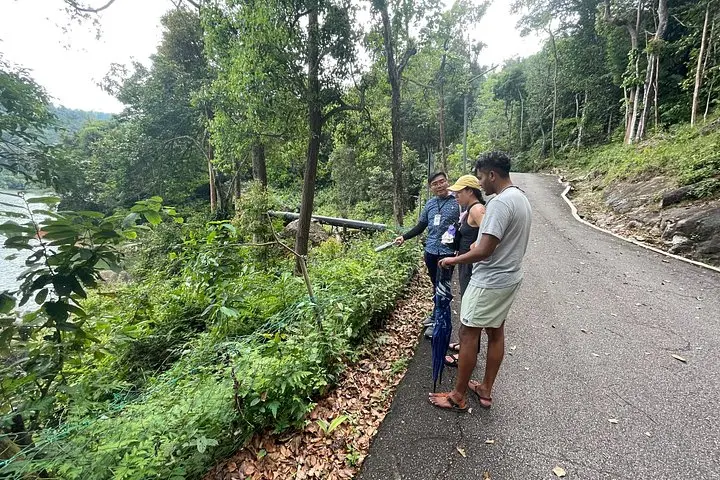
Beyond stalls, you’ll take a short forest walk and climb to the hilltop Murugan temple, where stone steps and shaded trees push you up toward views over the Straits of Malacca. The dam and temple are local stops, less crowded than the waterfront but alive with everyday ritual and birdsong that dares you to pause and listen.
Practical guidance: this is a 5‑hour shared experience with about 30–60 minutes of brief walking and one steeper section to the temple; bring cash for small stalls and notify the host of allergies before booking. Wear grippy shoes and light layers—the air can shift from wet heat to cooling shade quickly. Start mid-morning for cooler streets and the best light on the hill. This is more than a tasting tour; it’s a paced immersion into Penangite food habits, neighborhood corners, and the small routes locals use to move between food, faith, and forest.
Yes—this experience includes snacks, lunch and dinner as listed; hosts typically guide you through set tastings at multiple vendors.
The host asks for dietary requirements at booking; they can usually arrange alternatives but cannot guarantee changes at last minute due to vendor availability.
Meeting details are provided at booking; public transport options are nearby and an air-conditioned vehicle may be used for some transfers.
This experience is not recommended for pregnant travelers or those with serious back or cardiovascular conditions due to walking and stair sections.
TEOH SHAN TATT TIGER operates guided outdoor trips and adventures with an emphasis on safety, stewardship, and memorable experiences.
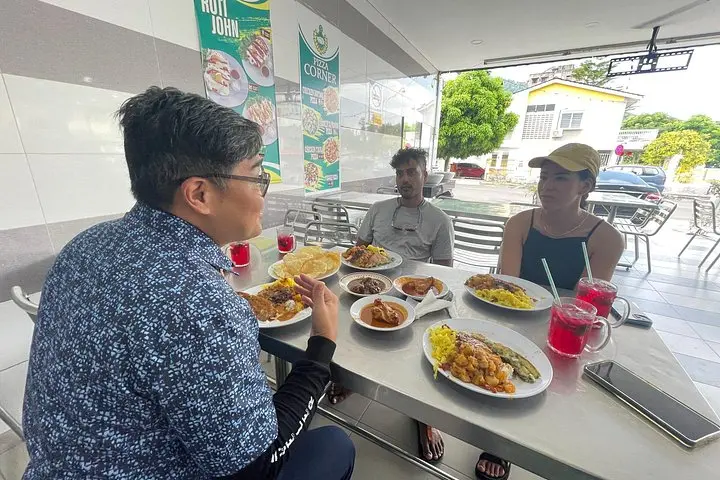
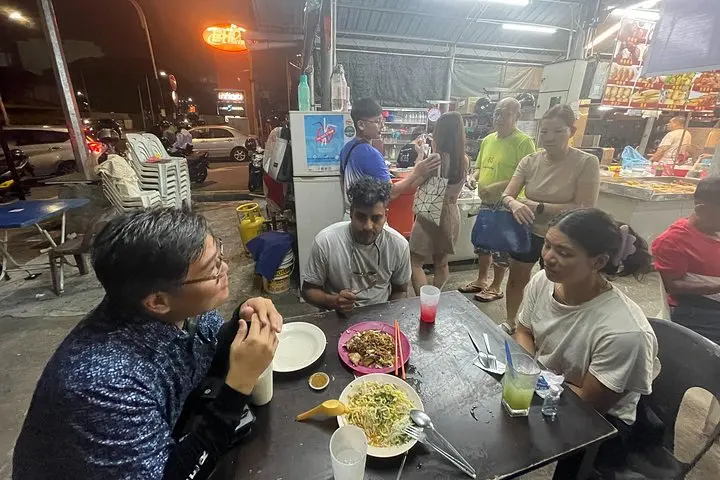
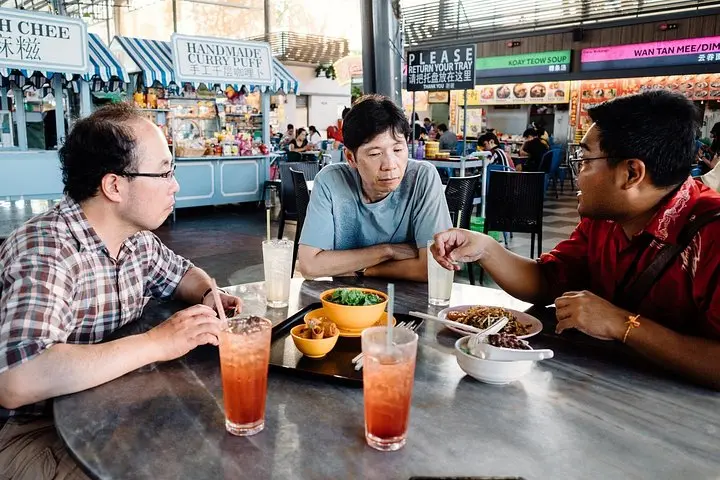
You step off the tuk-tuk into a steam-warmed lane where charcoal smoke and chile paste press close, and a hawker ladle sends fragrant steam into the humid air. Plates arrive in quick succession—thin rice noodle, tangy laksa, a paper-wrapped banana cake—each bite a different thread in Penang’s living food culture.
You step off the tuk-tuk into a steam-warmed lane where charcoal smoke and chile paste press close, and a hawker ladle sends fragrant steam into the humid air. Plates arrive in quick succession—thin rice noodle, tangy laksa, a paper-wrapped banana cake—each bite a different thread in Penang’s living food culture.
Penang’s streets grew from trading routes and plantation roads; its soils are coastal clays and gentle granite outcrops that give way to the low ridges of Penang Hill. The island’s cuisine reflects waves of migration—Malay, Chinese, Indian and Peranakan—so a single afternoon can feel like a primer in colonial port history and local ingenuity.
Beyond stalls, you’ll take a short forest walk and climb to the hilltop Murugan temple, where stone steps and shaded trees push you up toward views over the Straits of Malacca. The dam and temple are local stops, less crowded than the waterfront but alive with everyday ritual and birdsong that dares you to pause and listen.
Practical guidance: this is a 5‑hour shared experience with about 30–60 minutes of brief walking and one steeper section to the temple; bring cash for small stalls and notify the host of allergies before booking. Wear grippy shoes and light layers—the air can shift from wet heat to cooling shade quickly. Start mid-morning for cooler streets and the best light on the hill. This is more than a tasting tour; it’s a paced immersion into Penangite food habits, neighborhood corners, and the small routes locals use to move between food, faith, and forest.