THE ADVENTURE COLLECTIVE® · Independent discovery and booking for outdoor travel

Start your day amid steam and spice on a guided morning market tour, then learn hands-on at Penang Chiak how to temper spices, make rendang, and shape traditional kuih. This 4–5 hour halal-friendly class pairs market insight with practical cooking skills.
Start your day amid steam and spice on a guided morning market tour, then learn hands-on at Penang Chiak how to temper spices, make rendang, and shape traditional kuih. This 4–5 hour halal-friendly class pairs market insight with practical cooking skills.
Dawn in George Town arrives with a chorus of carts and voices — the market exhales steam from woks and the scent of turmeric and coconut milk threads the air. You step into narrow aisles where vendors lift woven trays of kueh, fishmongers call prices, and chilies gleam like small flags. The morning market tour here is sensory and efficient: a guided walk that primes you for the stove work to follow at Penang Chiak.
Verified experiences and guided adventures in the surrounding area.
Operated by Penang Chiak Cooking Classes · George Town, Penang
Dawn in George Town arrives with a chorus of carts and voices — the market exhales steam from woks and the scent of turmeric and coconut milk threads the air. You step into narrow aisles where vendors lift woven trays of kueh, fishmongers call prices, and chilies gleam like small flags. The morning market tour here is sensory and efficient: a guided walk that primes you for the stove work to follow at Penang Chiak.
Penang’s layered history — Straits Chinese, Malay, Indian and colonial British influences — shows up in the food. The island’s geology and trading position made it a node in spice routes; that legacy is why rendang, nasi lemak and roti jala coexist on a single menu. Cultural notes are practical: halal kitchens, spice tempering techniques, and why tamarind or torch ginger appears in certain Malay dishes.
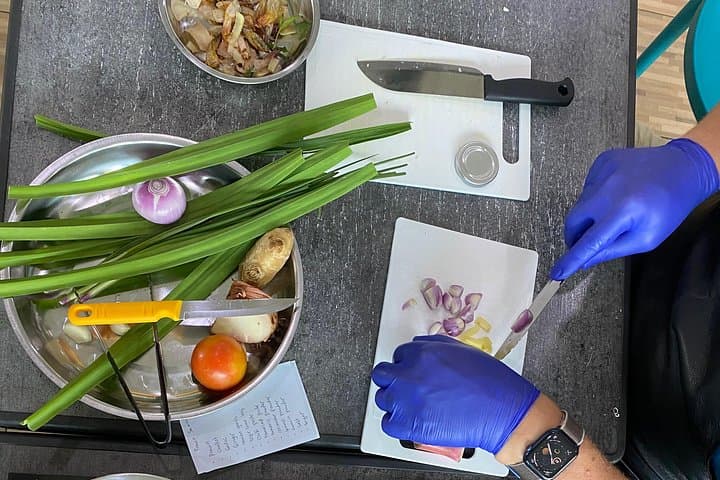
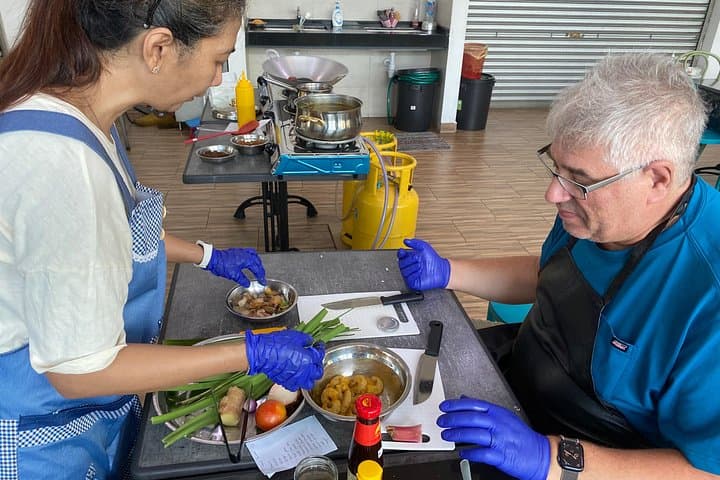
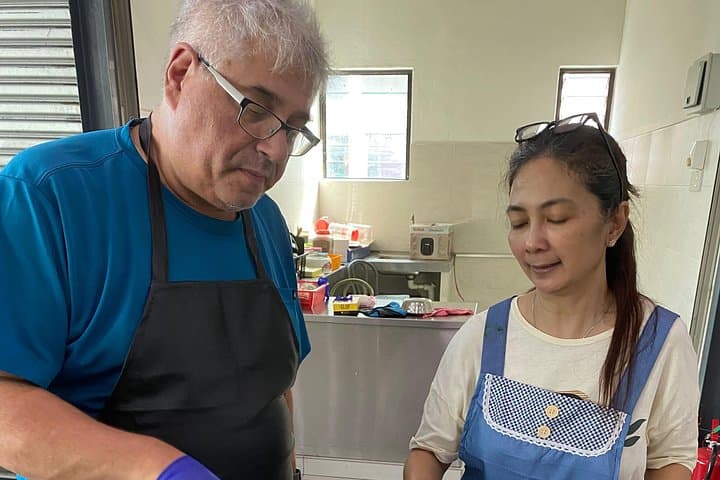
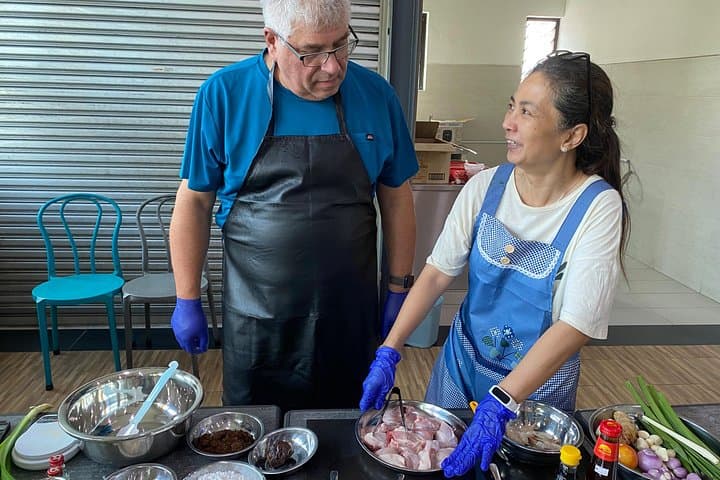
The class blends a 45–60 minute market tour with hands-on instruction and a shared breakfast, then two–three hours at the stove learning spice ratios and plating. Expect standing, some knife work, and tasting as you go. Instructors demonstrate techniques, then supervise as you recreate mains and snacks — prawn noodle, satay, rendang and traditional kuih.
Plan to book morning sessions for the market component, wear closed-toe shoes and lightweight modest clothing, and bring a reusable water bottle. If you have allergies or dietary needs, notify organizers ahead of time. This is a practical, edible crash course in Penang’s foodways: part history lesson, part market anthropology, and wholly about learning to manage spices and heat so you can bring a piece of Penang home.
Yes — the experience is advertised as Halal/Muslim friendly and ingredients and techniques are aligned with halal practices.
Sessions run about 4–5 hours total, combining a 45–60 minute market tour with several hours of hands-on cooking and shared breakfast.
Organizers request dietary needs ahead of booking so they can adjust menus and ingredients where possible; notify them via the booking questions.
Yes — the listing indicates wheelchair-accessible areas and transportation options, but contact the operator for specific assistance requirements.
Penang Chiak Cooking Classes operates guided outdoor trips and adventures with an emphasis on safety, stewardship, and memorable experiences.
Dawn in George Town arrives with a chorus of carts and voices — the market exhales steam from woks and the scent of turmeric and coconut milk threads the air. You step into narrow aisles where vendors lift woven trays of kueh, fishmongers call prices, and chilies gleam like small flags. The morning market tour here is sensory and efficient: a guided walk that primes you for the stove work to follow at Penang Chiak.
Dawn in George Town arrives with a chorus of carts and voices — the market exhales steam from woks and the scent of turmeric and coconut milk threads the air. You step into narrow aisles where vendors lift woven trays of kueh, fishmongers call prices, and chilies gleam like small flags. The morning market tour here is sensory and efficient: a guided walk that primes you for the stove work to follow at Penang Chiak.
Penang’s layered history — Straits Chinese, Malay, Indian and colonial British influences — shows up in the food. The island’s geology and trading position made it a node in spice routes; that legacy is why rendang, nasi lemak and roti jala coexist on a single menu. Cultural notes are practical: halal kitchens, spice tempering techniques, and why tamarind or torch ginger appears in certain Malay dishes.
The class blends a 45–60 minute market tour with hands-on instruction and a shared breakfast, then two–three hours at the stove learning spice ratios and plating. Expect standing, some knife work, and tasting as you go. Instructors demonstrate techniques, then supervise as you recreate mains and snacks — prawn noodle, satay, rendang and traditional kuih.
Plan to book morning sessions for the market component, wear closed-toe shoes and lightweight modest clothing, and bring a reusable water bottle. If you have allergies or dietary needs, notify organizers ahead of time. This is a practical, edible crash course in Penang’s foodways: part history lesson, part market anthropology, and wholly about learning to manage spices and heat so you can bring a piece of Penang home.