THE ADVENTURE COLLECTIVE® · Independent discovery and booking for outdoor travel

Spend a full day exploring Peneda-Gerês with a private guide—walk Roman roads, cross historic bridges and cool off in river pools. This customizable tour blends geology, local culture and accessible hiking for a single unforgettable day in Portugal’s only national park.
Spend a full day exploring Peneda-Gerês with a private guide—walk Roman roads, cross historic bridges and cool off in river pools. This customizable tour blends geology, local culture and accessible hiking for a single unforgettable day in Portugal’s only national park.
You step out of the air-conditioned van onto a stretch of white stone at Km 68.5 and the mountain exhales around you: wind riffing through oak and pine, a river ahead daring you to follow its finger of light. This is Peneda-Gerês National Park — granite ridgelines, plunging river gorges and villages that still speak the rhythms of shepherding and chestnut harvests. On a private, full-day tour you trade guidebook scanning for guided focus: a route tuned to the season and your pace, with stops at Ponte da Misarela, the Rabagão River pools and the reservoir at Albufeira da Caniçada.
Verified experiences and guided adventures in the surrounding area.
Operated by Secret Do Gerês Tours · Gerês (Vila do Gerês), Braga District
You step out of the air-conditioned van onto a stretch of white stone at Km 68.5 and the mountain exhales around you: wind riffing through oak and pine, a river ahead daring you to follow its finger of light. This is Peneda-Gerês National Park — granite ridgelines, plunging river gorges and villages that still speak the rhythms of shepherding and chestnut harvests. On a private, full-day tour you trade guidebook scanning for guided focus: a route tuned to the season and your pace, with stops at Ponte da Misarela, the Rabagão River pools and the reservoir at Albufeira da Caniçada.
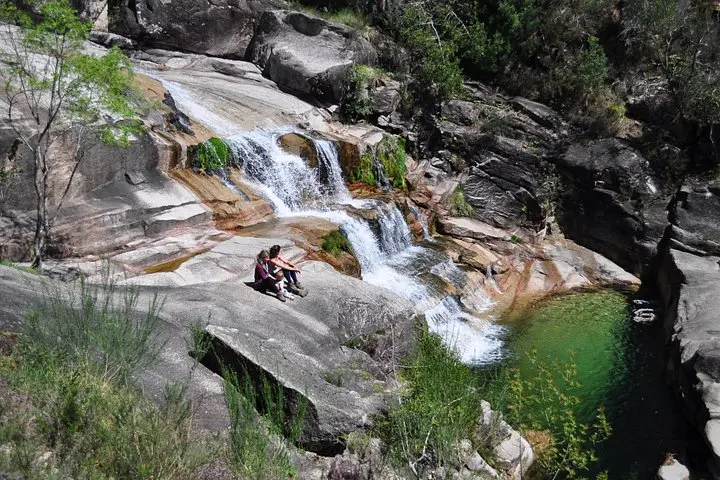
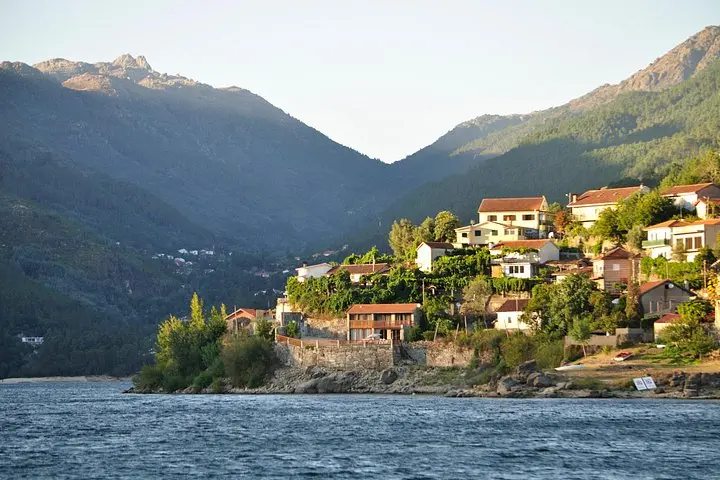
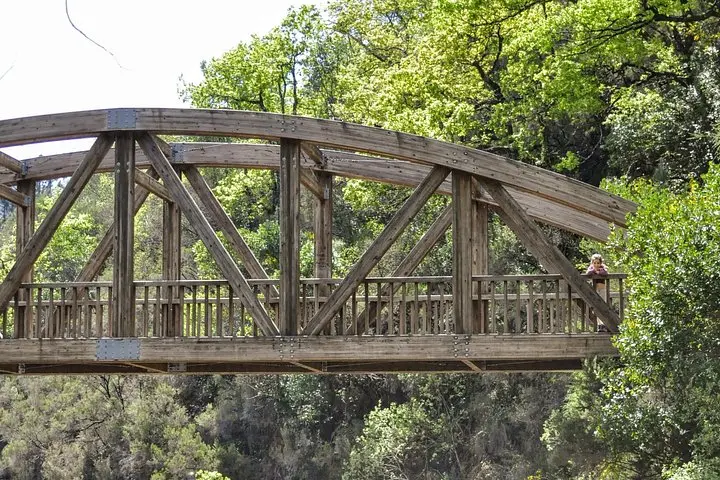
Geology here is blunt and old. The park’s roots are in schist and granite, carved by ice-age glaciers and the slow patience of rivers, leaving steep cols, tor-like outcrops and plunge pools where water has cut clean basins. Human history threads through: Roman roads that cross pastoral plateaus, medieval bridges like Misarela with local legends, and stone villages—Soajo and Castro Laboreiro—where raised granaries (espigueiros) still dry corn on granite legs.
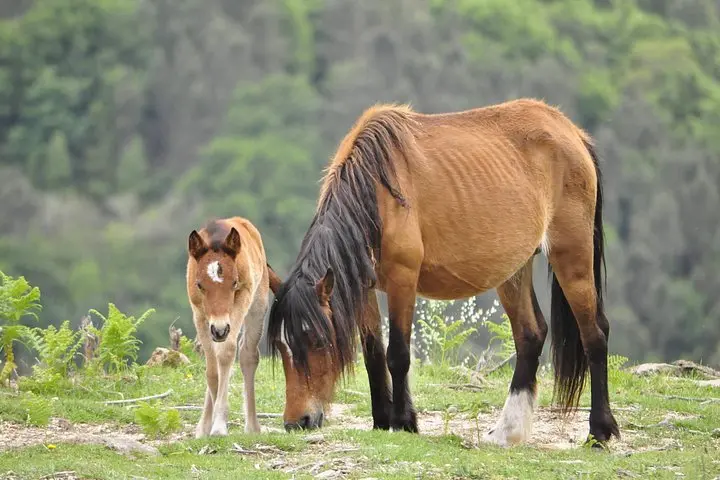
Flora and fauna keep a steady, watchful presence. Holm oak and Pyrenean oak dominate lower slopes; higher altitudes open to heath and moor. You might spot Garrano ponies grazing thin grass, or catch a shadow of a golden eagle circling a thermic updraft. Guides point out endemic plants and explain how traditional grazing shaped the landscape you’re walking.
Practical route notes: expect a day of mixed terrain — paved village lanes, dirt forest tracks and uneven granite slabs. Typical walking segments total 6–10 km over the day with short, steeper sections that add 200–400m cumulative elevation gain depending on the chosen trails. Pace is relaxed; there are several photo and swim stops, and lunch is usually in Gerês Village at a local restaurant (not included).
What to prepare: sturdy boots with good grip for wet granite, layered clothing for rapid temperature shifts, and a 1–2L hydration plan; the sun can be merciless on exposed ridgelines and water is available at stops. If you want to swim, bring a quick-dry towel and footwear you can wear in the water. Private transport, onboard Wi‑Fi and a guide who adapts the day mean this works for families and experienced hikers alike.
By the day’s end the park has a way of recalibrating you: a river that once dared you becomes a place you’ve proven capable of crossing, and the scattered stone villages feel less like relics and more like living rooms of a mountain culture that still moves slowly and deliberately.
The meeting/return point is Secret do Gerês (103 National Road, Km 68.5) at coordinates 41.648889, -8.175556; alternative pickup can be arranged on request.
Yes — it’s a private tour designed to match your group’s fitness; the guide can shorten walks and focus on scenic drives if needed.
Lunch in Gerês Village is not included; guides recommend local restaurants serving traditional Minho dishes and will advise on options.
Yes — the itinerary includes stops at river pools and the reservoir where swimming is possible; bring swimwear and water shoes.
The operator may cancel in poor conditions for safety; full refunds are available if you cancel at least 24 hours in advance.
Service animals are permitted; check with the operator in advance for arrangements.
Secret Do Gerês Tours operates guided outdoor trips and adventures with an emphasis on safety, stewardship, and memorable experiences.
You step out of the air-conditioned van onto a stretch of white stone at Km 68.5 and the mountain exhales around you: wind riffing through oak and pine, a river ahead daring you to follow its finger of light. This is Peneda-Gerês National Park — granite ridgelines, plunging river gorges and villages that still speak the rhythms of shepherding and chestnut harvests. On a private, full-day tour you trade guidebook scanning for guided focus: a route tuned to the season and your pace, with stops at Ponte da Misarela, the Rabagão River pools and the reservoir at Albufeira da Caniçada.
You step out of the air-conditioned van onto a stretch of white stone at Km 68.5 and the mountain exhales around you: wind riffing through oak and pine, a river ahead daring you to follow its finger of light. This is Peneda-Gerês National Park — granite ridgelines, plunging river gorges and villages that still speak the rhythms of shepherding and chestnut harvests. On a private, full-day tour you trade guidebook scanning for guided focus: a route tuned to the season and your pace, with stops at Ponte da Misarela, the Rabagão River pools and the reservoir at Albufeira da Caniçada.
Geology here is blunt and old. The park’s roots are in schist and granite, carved by ice-age glaciers and the slow patience of rivers, leaving steep cols, tor-like outcrops and plunge pools where water has cut clean basins. Human history threads through: Roman roads that cross pastoral plateaus, medieval bridges like Misarela with local legends, and stone villages—Soajo and Castro Laboreiro—where raised granaries (espigueiros) still dry corn on granite legs.
Flora and fauna keep a steady, watchful presence. Holm oak and Pyrenean oak dominate lower slopes; higher altitudes open to heath and moor. You might spot Garrano ponies grazing thin grass, or catch a shadow of a golden eagle circling a thermic updraft. Guides point out endemic plants and explain how traditional grazing shaped the landscape you’re walking.
Practical route notes: expect a day of mixed terrain — paved village lanes, dirt forest tracks and uneven granite slabs. Typical walking segments total 6–10 km over the day with short, steeper sections that add 200–400m cumulative elevation gain depending on the chosen trails. Pace is relaxed; there are several photo and swim stops, and lunch is usually in Gerês Village at a local restaurant (not included).
What to prepare: sturdy boots with good grip for wet granite, layered clothing for rapid temperature shifts, and a 1–2L hydration plan; the sun can be merciless on exposed ridgelines and water is available at stops. If you want to swim, bring a quick-dry towel and footwear you can wear in the water. Private transport, onboard Wi‑Fi and a guide who adapts the day mean this works for families and experienced hikers alike.
By the day’s end the park has a way of recalibrating you: a river that once dared you becomes a place you’ve proven capable of crossing, and the scattered stone villages feel less like relics and more like living rooms of a mountain culture that still moves slowly and deliberately.