THE ADVENTURE COLLECTIVE® · Independent discovery and booking for outdoor travel

A full-day excursion from Porto into Peneda-Gerês—follow Roman paths, peer under Devil’s Bridge, and cool off in crystalline lagoons. Expect easy walks, dramatic granite scenery, and a local-guided blend of nature and heritage.
A full-day excursion from Porto into Peneda-Gerês—follow Roman paths, peer under Devil’s Bridge, and cool off in crystalline lagoons. Expect easy walks, dramatic granite scenery, and a local-guided blend of nature and heritage.
You step out of an air-conditioned van and the mountain air leans in—cool, moss-scented, and honest. The road has peeled away from Porto’s tile roofs and, within a couple of hours, drops you onto granite ridges and river clefts where waterfalls carve bright lines across dark rock. The day blends short walks, cliffside views and hidden lagoons that invite a quick dip when weather permits.
Verified experiences and guided adventures in the surrounding area.
Operated by Portugal Autêntico · Gerês, Braga
You step out of an air-conditioned van and the mountain air leans in—cool, moss-scented, and honest. The road has peeled away from Porto’s tile roofs and, within a couple of hours, drops you onto granite ridges and river clefts where waterfalls carve bright lines across dark rock. The day blends short walks, cliffside views and hidden lagoons that invite a quick dip when weather permits.
This part of northern Portugal is defined by rugged granite and schist, Roman-era routes such as the Geira (Via Nova) and small villages that survived on chestnut, grazing and seasonal migration. Bridges like those nicknamed “Devil’s Bridge” span narrow gorges; local oral history and pastoral life remain visible in stone houses and terraced fields. The Vilarinho das Furnas reservoir and other man-made lakes sit alongside crystalline natural pools, offering a contrast between engineered waterways and fast, wild streams that still push through the park.
Expect easy to moderate walking on ancient paths, uneven rock and short stair-like sections by waterfalls. A local guide will point out geological features, traditional livelihoods and the Garrano ponies and traces of the elusive Iberian wolf that still roam remote valleys.
Practical guidance: wear grippy shoes, bring layers (mountain weather changes fast), sun protection and a refillable water bottle; plan for an 8–9 hour day with breaks for a village lunch. Respect marked trails and private farmland, and keep swim stops brief—currents can be stronger than they appear. This is an accessible, full-day immersion into Peneda-Gerês’s natural and cultural pulse.
Depending on traffic and the chosen itinerary, transfers typically take around 1.5–2 hours each way; some operators advertise closer times for faster routes.
Walks are generally short with uneven ground and occasional steep steps; no technical climbing is required but good footwear is recommended.
Lunch is usually a stop in a small village where you can eat locally; confirm if a meal or only time to purchase food is included at booking.
Swimming is often allowed at designated spots but depends on weather, water temperature, and local safety guidance—always follow your guide’s advice.
Portugal Autêntico operates guided outdoor trips and adventures with an emphasis on safety, stewardship, and memorable experiences.
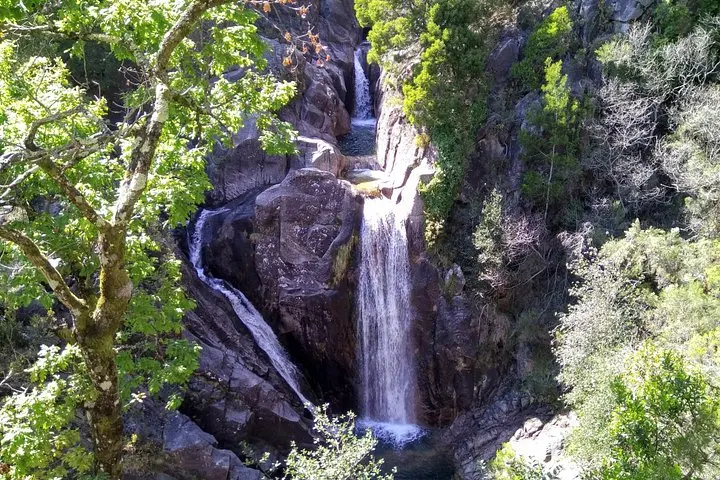
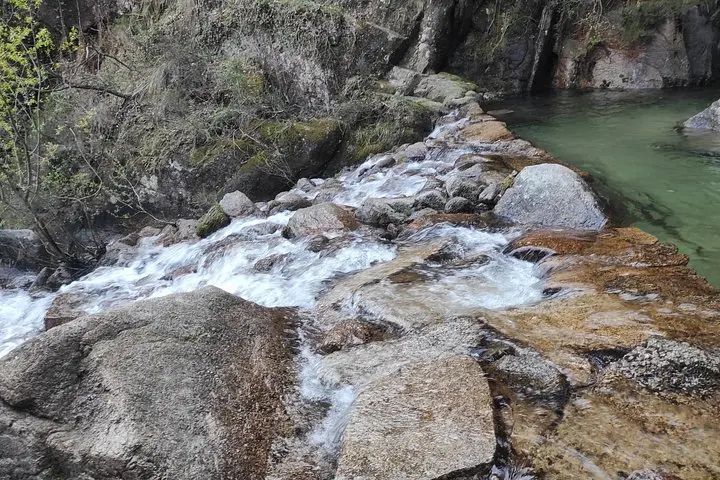
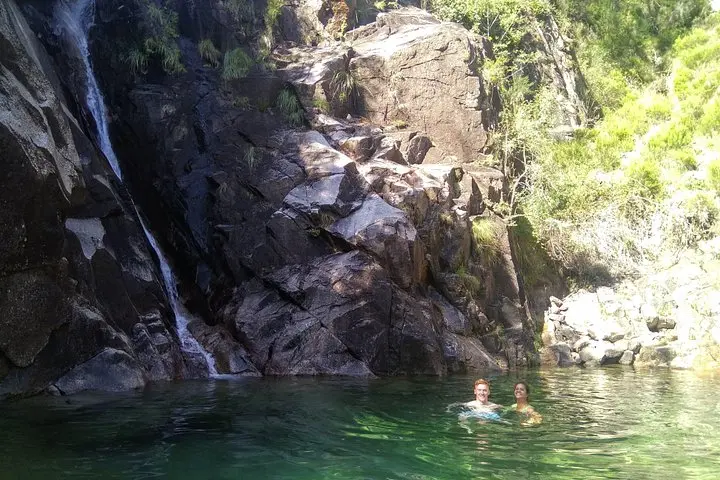
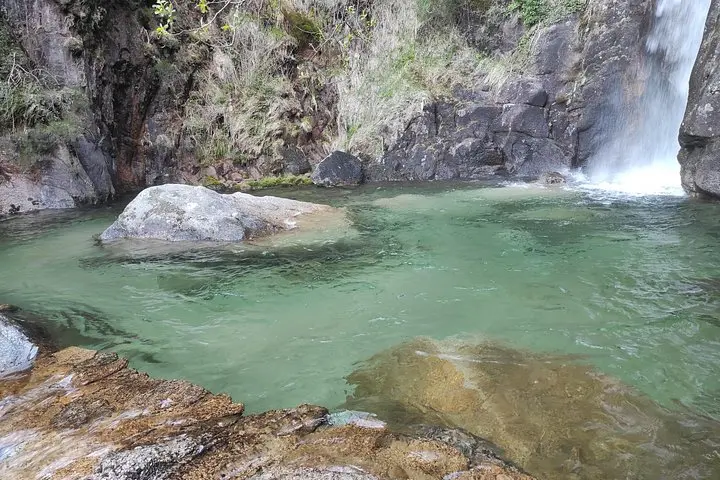
You step out of an air-conditioned van and the mountain air leans in—cool, moss-scented, and honest. The road has peeled away from Porto’s tile roofs and, within a couple of hours, drops you onto granite ridges and river clefts where waterfalls carve bright lines across dark rock. The day blends short walks, cliffside views and hidden lagoons that invite a quick dip when weather permits.
You step out of an air-conditioned van and the mountain air leans in—cool, moss-scented, and honest. The road has peeled away from Porto’s tile roofs and, within a couple of hours, drops you onto granite ridges and river clefts where waterfalls carve bright lines across dark rock. The day blends short walks, cliffside views and hidden lagoons that invite a quick dip when weather permits.
This part of northern Portugal is defined by rugged granite and schist, Roman-era routes such as the Geira (Via Nova) and small villages that survived on chestnut, grazing and seasonal migration. Bridges like those nicknamed “Devil’s Bridge” span narrow gorges; local oral history and pastoral life remain visible in stone houses and terraced fields. The Vilarinho das Furnas reservoir and other man-made lakes sit alongside crystalline natural pools, offering a contrast between engineered waterways and fast, wild streams that still push through the park.
Expect easy to moderate walking on ancient paths, uneven rock and short stair-like sections by waterfalls. A local guide will point out geological features, traditional livelihoods and the Garrano ponies and traces of the elusive Iberian wolf that still roam remote valleys.
Practical guidance: wear grippy shoes, bring layers (mountain weather changes fast), sun protection and a refillable water bottle; plan for an 8–9 hour day with breaks for a village lunch. Respect marked trails and private farmland, and keep swim stops brief—currents can be stronger than they appear. This is an accessible, full-day immersion into Peneda-Gerês’s natural and cultural pulse.