THE ADVENTURE COLLECTIVE® · Independent discovery and booking for outdoor travel

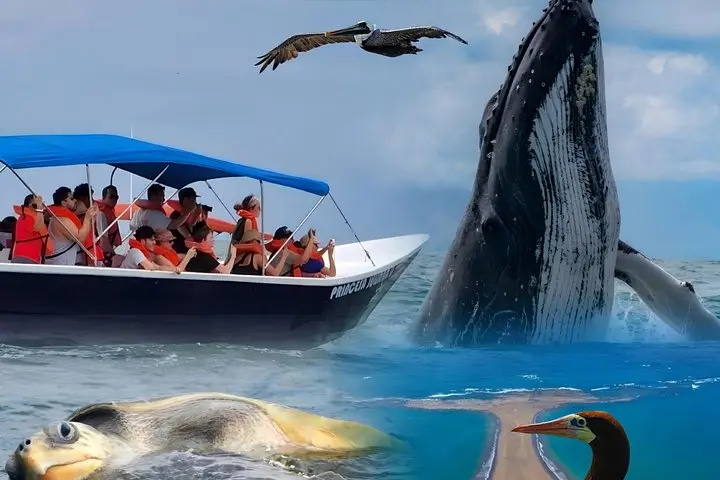
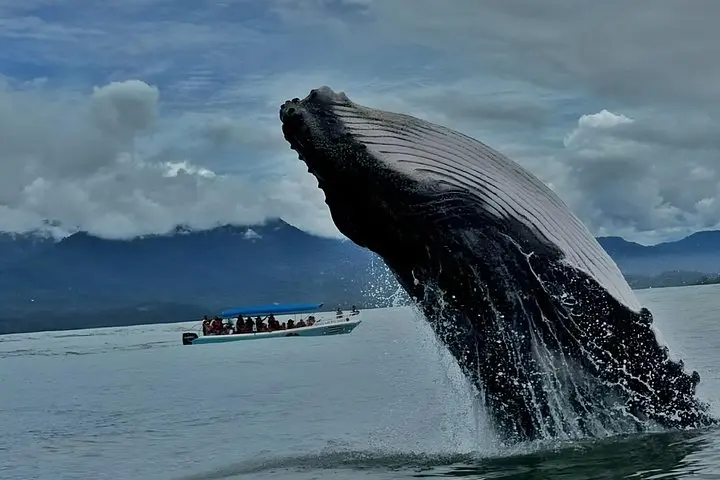
Spend a full day in Ballena Marine National Park tracking humpback whales, snorkeling coral gardens and walking the Whale’s Tail at low tide. Certified naturalists lead a sustainable, educational outing with private transport and a lunch included.
Spend a full day in Ballena Marine National Park tracking humpback whales, snorkeling coral gardens and walking the Whale’s Tail at low tide. Certified naturalists lead a sustainable, educational outing with private transport and a lunch included.
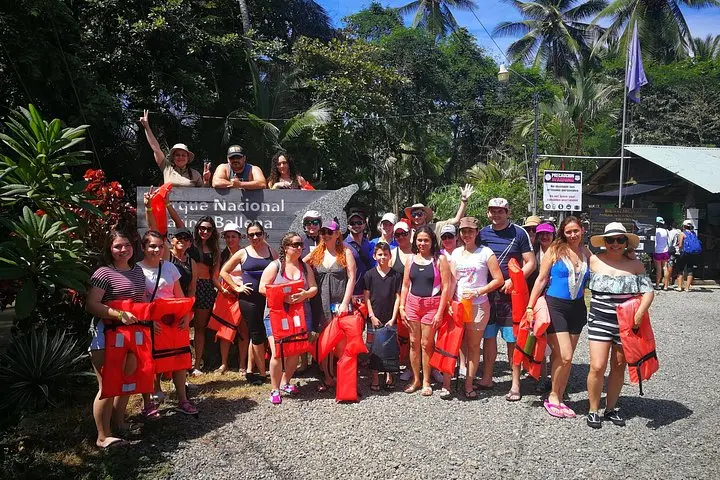
You step off the bus with salt in the air and a horizon that seems to tilt toward a dark band of ocean where breath breaks the surface. The day moves at the pace of the sea: a morning drive across cloud-kissed ridges to the coast, a stop at a high viewpoint called Death Hill, then the hum of a well-equipped boat cutting toward Ballena Marine National Park.
Verified experiences and guided adventures in the surrounding area.
Operated by Vamonos Costa Rica Tours · Uvita, Puntarenas
You step off the bus with salt in the air and a horizon that seems to tilt toward a dark band of ocean where breath breaks the surface. The day moves at the pace of the sea: a morning drive across cloud-kissed ridges to the coast, a stop at a high viewpoint called Death Hill, then the hum of a well-equipped boat cutting toward Ballena Marine National Park.
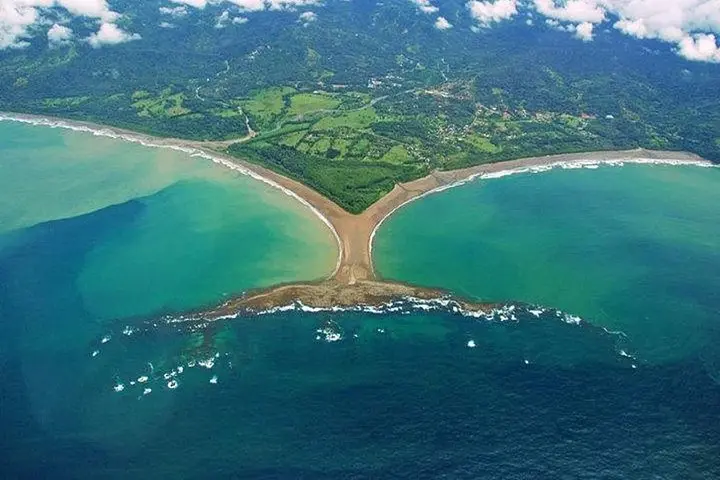
Ballena — Spanish for whale — gets its name from the Whale’s Tail, a sandbar that appears at low tide like a fin rising from the surface. Geology here is recent: dynamic coastal erosion and sediment deposition have sculpted reefs, sandbanks and the intertidal shelf you’ll walk when tides allow. Local communities in Uvita and Dominical grew from fishing and small-scale agriculture; today tourism is woven into daily life and guided by strict marine protections.
Expect certified naturalist interpretation: long blows, tail slaps, and the hush that comes when a calf slides beside a mother. When conditions permit you’ll snorkel over shallow reefs, meeting tropical fish and stars while guides point out coral formations and conservation practices.
Practical edge: this is a full-day outing (10–15 hours) with boat time, optional short hikes and snorkeling only in calm seas. Bring reef-safe sunscreen, a waterproof bag, motion-sickness medication if you’re prone, and shoes that dry quickly for the Whale’s Tail. Listen to the guide, respect exclusion zones, and time your visit for the dry season if you want calmer water and easier snorkeling.
No—sightings are common in Ballena Marine National Park during migration seasons, but wildlife is unpredictable; guides use local knowledge to maximize opportunities.
Snorkeling equipment is available and guided sessions are offered only when weather and sea conditions are safe.
No—access depends on low tide and calm sea conditions; the guide will plan the walk only when it is safe and ecologically appropriate.
Yes—operators provide infant seats and stroller accessibility for parts of the transfer, but consider children’s tolerance for long boat days and open-water conditions.
Vamonos Costa Rica Tours operates guided outdoor trips and adventures with an emphasis on safety, stewardship, and memorable experiences.
You step off the bus with salt in the air and a horizon that seems to tilt toward a dark band of ocean where breath breaks the surface. The day moves at the pace of the sea: a morning drive across cloud-kissed ridges to the coast, a stop at a high viewpoint called Death Hill, then the hum of a well-equipped boat cutting toward Ballena Marine National Park.
You step off the bus with salt in the air and a horizon that seems to tilt toward a dark band of ocean where breath breaks the surface. The day moves at the pace of the sea: a morning drive across cloud-kissed ridges to the coast, a stop at a high viewpoint called Death Hill, then the hum of a well-equipped boat cutting toward Ballena Marine National Park.
Ballena — Spanish for whale — gets its name from the Whale’s Tail, a sandbar that appears at low tide like a fin rising from the surface. Geology here is recent: dynamic coastal erosion and sediment deposition have sculpted reefs, sandbanks and the intertidal shelf you’ll walk when tides allow. Local communities in Uvita and Dominical grew from fishing and small-scale agriculture; today tourism is woven into daily life and guided by strict marine protections.
Expect certified naturalist interpretation: long blows, tail slaps, and the hush that comes when a calf slides beside a mother. When conditions permit you’ll snorkel over shallow reefs, meeting tropical fish and stars while guides point out coral formations and conservation practices.
Practical edge: this is a full-day outing (10–15 hours) with boat time, optional short hikes and snorkeling only in calm seas. Bring reef-safe sunscreen, a waterproof bag, motion-sickness medication if you’re prone, and shoes that dry quickly for the Whale’s Tail. Listen to the guide, respect exclusion zones, and time your visit for the dry season if you want calmer water and easier snorkeling.