THE ADVENTURE COLLECTIVE® · Independent discovery and booking for outdoor travel

Cycle from Paramaribo to Meerzorg, cross by traditional tent-boat and explore the 19th‑century Peperpot plantation. This full-day tour mixes lowland wildlife, plantation history, and easy, shaded roads.
Cycle from Paramaribo to Meerzorg, cross by traditional tent-boat and explore the 19th‑century Peperpot plantation. This full-day tour mixes lowland wildlife, plantation history, and easy, shaded roads.
You push off from the rental shack with the low hum of the Suriname River nearby and a guide who reads the landscape like a map. The route threads past roadside fruit stands, then pauses as a wooden tent-boat nosily cuts across the river, the current nudging you toward Meerzorg. Back on two wheels you follow a flat, shaded route into Peperpot Nature Park where old coffee and cacao trees loom like living records and bromeliads and orchids have reclaimed the trunks.
Verified experiences and guided adventures in the surrounding area.
Operated by Purity Tours & Services · Meerzorg, Commewijne District
You push off from the rental shack with the low hum of the Suriname River nearby and a guide who reads the landscape like a map. The route threads past roadside fruit stands, then pauses as a wooden tent-boat nosily cuts across the river, the current nudging you toward Meerzorg. Back on two wheels you follow a flat, shaded route into Peperpot Nature Park where old coffee and cacao trees loom like living records and bromeliads and orchids have reclaimed the trunks.
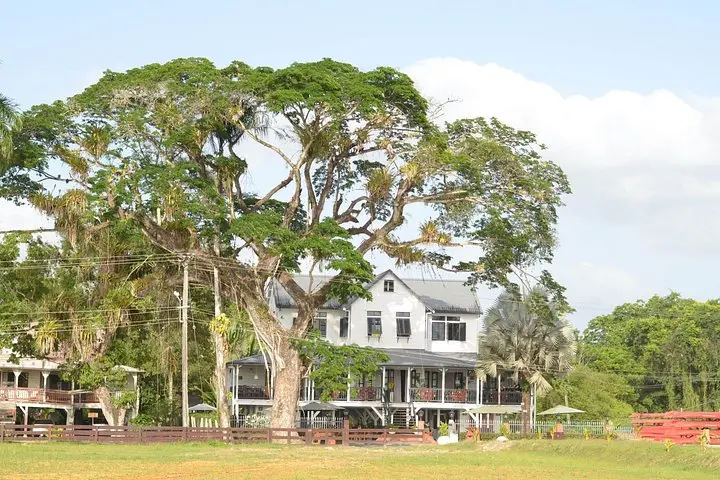
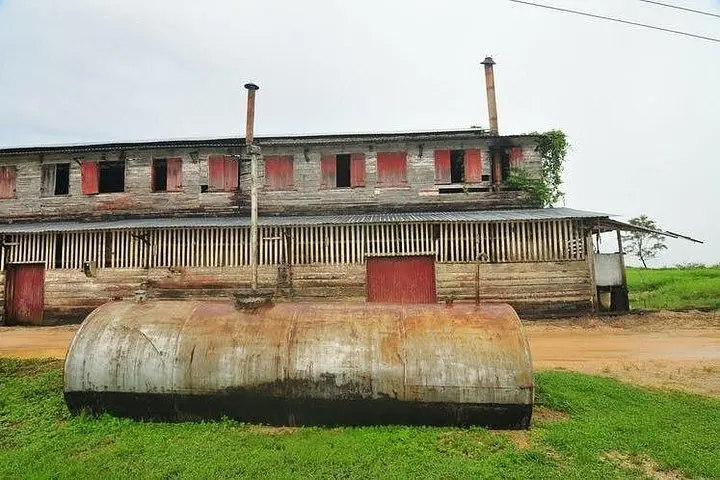
Peperpot began as a Jansen-family coffee and cacao plantation in the early 19th century; the factory buildings and two plantation houses remain, reminders of industrial agriculture that ran here until the late 20th century. Geology is subtle — riverine clay flats and raised ridges that once organized plantation rows — but biology is loud: the park is a stopover for many tropical birds, and small mammals and iguanas move through the understory.
The day balances cultural context with outdoor rhythms. Guides explain the plantation’s layout, point out surviving factory structures, and read the signs of rewilding: vines that have eroded old walls, saplings sprouting in former yards.
Practicalities: expect about 8 hours total, mostly easy terrain but with sustained cycling and tropical humidity. Bring insect repellent, sun protection, and a light rain layer; hydrate steadily and plan for sticky heat midday. Footwear should be sturdy enough for short off-bike walks. If you go early, birds are most active; if you go after rain, the forest will be loud and slippery. The route is accessible to riders with basic cycling experience and a taste for lowland wildlife and history.
You should be comfortable cycling for several hours on mostly flat roads and be able to handle short walks on uneven ground; guides set a moderate pace.
Common sightings include tropical and waterbirds, iguanas, and occasionally squirrel or capuchin monkeys—sightings depend on time of day and luck.
Yes—bottled water, snacks, fruit and a lunch are included; bring a refillable bottle for convenience and extra hydration.
Bring a form of ID, any special medical info, and small cash if you plan to buy souvenirs or snacks outside the packaged inclusions.
Purity Tours & Services operates guided outdoor trips and adventures with an emphasis on safety, stewardship, and memorable experiences.
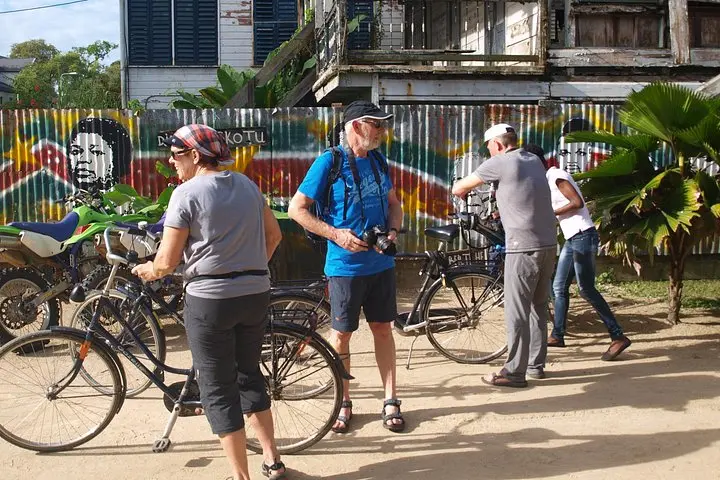
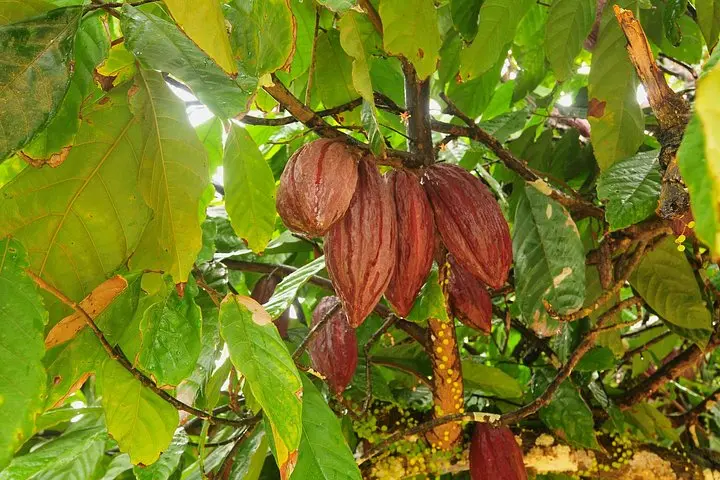
You push off from the rental shack with the low hum of the Suriname River nearby and a guide who reads the landscape like a map. The route threads past roadside fruit stands, then pauses as a wooden tent-boat nosily cuts across the river, the current nudging you toward Meerzorg. Back on two wheels you follow a flat, shaded route into Peperpot Nature Park where old coffee and cacao trees loom like living records and bromeliads and orchids have reclaimed the trunks.
You push off from the rental shack with the low hum of the Suriname River nearby and a guide who reads the landscape like a map. The route threads past roadside fruit stands, then pauses as a wooden tent-boat nosily cuts across the river, the current nudging you toward Meerzorg. Back on two wheels you follow a flat, shaded route into Peperpot Nature Park where old coffee and cacao trees loom like living records and bromeliads and orchids have reclaimed the trunks.
Peperpot began as a Jansen-family coffee and cacao plantation in the early 19th century; the factory buildings and two plantation houses remain, reminders of industrial agriculture that ran here until the late 20th century. Geology is subtle — riverine clay flats and raised ridges that once organized plantation rows — but biology is loud: the park is a stopover for many tropical birds, and small mammals and iguanas move through the understory.
The day balances cultural context with outdoor rhythms. Guides explain the plantation’s layout, point out surviving factory structures, and read the signs of rewilding: vines that have eroded old walls, saplings sprouting in former yards.
Practicalities: expect about 8 hours total, mostly easy terrain but with sustained cycling and tropical humidity. Bring insect repellent, sun protection, and a light rain layer; hydrate steadily and plan for sticky heat midday. Footwear should be sturdy enough for short off-bike walks. If you go early, birds are most active; if you go after rain, the forest will be loud and slippery. The route is accessible to riders with basic cycling experience and a taste for lowland wildlife and history.