THE ADVENTURE COLLECTIVE® · Independent discovery and booking for outdoor travel

A compact, six-hour private tour from Antalya that pairs the Hellenistic grid of Perge and the near-perfect acoustics of Aspendos’ Roman theater with a refreshing stop at Kursunlu Waterfall. Ideal for history lovers who want one efficient day of big sights and accessible walking.
A compact, six-hour private tour from Antalya that pairs the Hellenistic grid of Perge and the near-perfect acoustics of Aspendos’ Roman theater with a refreshing stop at Kursunlu Waterfall. Ideal for history lovers who want one efficient day of big sights and accessible walking.
You step out of your hotel into the soft heat of an Antalya morning. The driver navigates coastal traffic and olive-scrub hills give way to low limestone plateaus; the guide, a compact book of local knowledge, begins to sketch the day. By midmorning the road opens and Perge’s columned avenues appear like a script written in stone — a city that still speaks in architraves and carved capitals. The tour moves on, the air cooling under plane trees, to the single, sonorous arc of Aspendos’ Roman theater, then eases into a green pause at Kursunlu Waterfall where water dares you to linger.
Verified experiences and guided adventures in the surrounding area.
Operated by Sojourn Turkey · Antalya, Antalya Province
You step out of your hotel into the soft heat of an Antalya morning. The driver navigates coastal traffic and olive-scrub hills give way to low limestone plateaus; the guide, a compact book of local knowledge, begins to sketch the day. By midmorning the road opens and Perge’s columned avenues appear like a script written in stone — a city that still speaks in architraves and carved capitals. The tour moves on, the air cooling under plane trees, to the single, sonorous arc of Aspendos’ Roman theater, then eases into a green pause at Kursunlu Waterfall where water dares you to linger.
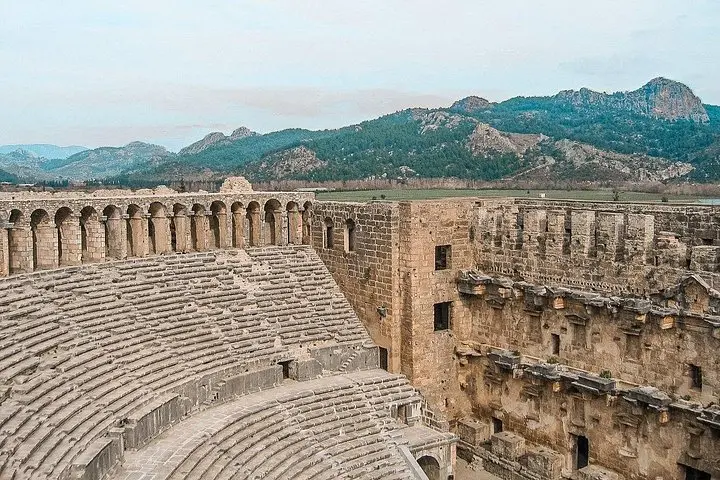
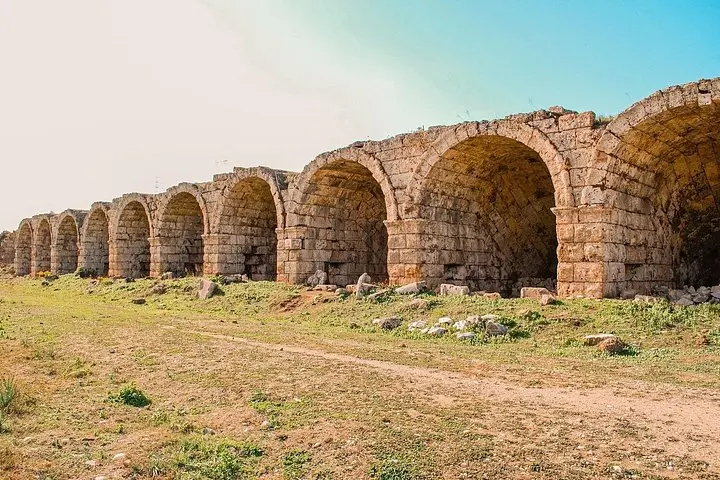
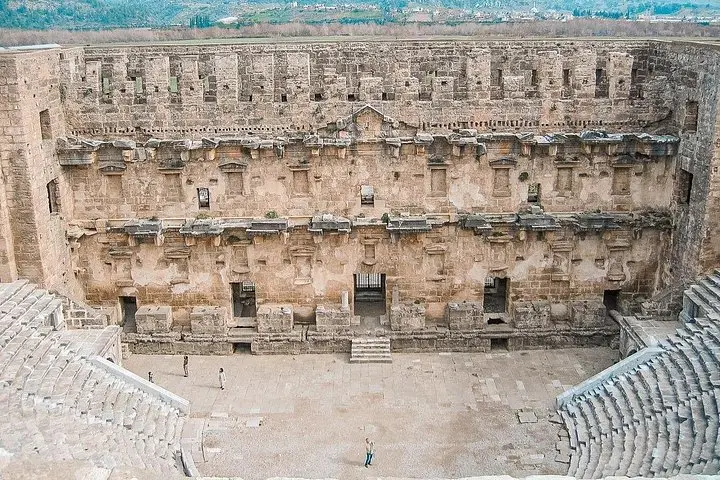
Perge and Aspendos sit on layers of Mediterranean history. Perge, originally a major Pamphylian settlement, grew from Hellenistic grids into a Roman commercial center; its twin streets, baths and stadium reveal urban planning from the 4th–1st centuries BC. Aspendos’ theater, finished in the 2nd century AD under the Antonine dynasty, is an engineering showpiece — 15,000 seats, acoustics refined by arched vaults and a stone stagehouse that withstood centuries of tremor and neglect. The course between sites traces Quaternary limestone and conglomerates carved by headwater streams; the geology explains the aqueducts and the fertile terraces where citrus groves now push green against the cliffs.
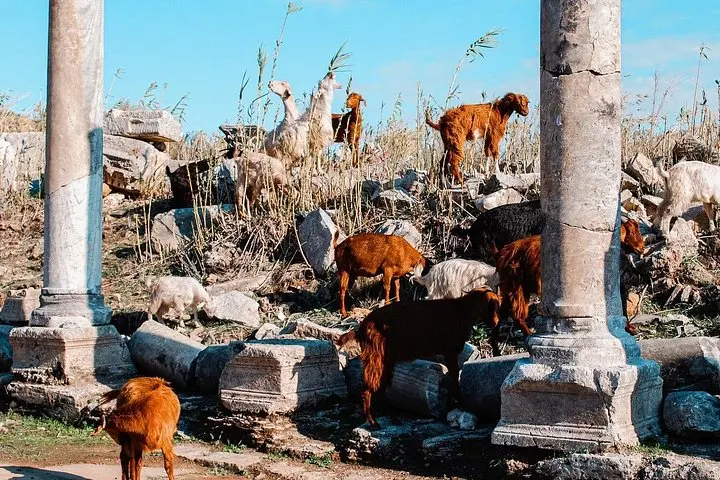
Culture remains tactile here: village markets sell sesame-crusted simit, and shepherds still move flocks past ruins. Guides will point out a Roman milestone or a shepherd’s stone wall and explain how the modern province of Antalya evolved from these ancient civic hubs. At Kursunlu, streams braid into pools, and the waterfall pushes forward in a steady insistence that cools the air and quiets city noise.
Practical guidance: this is a six-hour private tour with hotel pickup and drop-off. Wear supportive shoes — the ancient sites have uneven, often polished stone surfaces — and bring a hat and sunscreen; shade is intermittent. Carry water and a small bottle of insect repellent for the waterfall grove. Expect light walking: Perge and Aspendos each have roughly 60–90 minutes of exploration on foot; paths are mostly flat but include steps and short slopes. Admission to sites is included on this tour; check with your operator about current opening hours and any seasonal closures.
Timing matters: mornings are quieter and cooler; late afternoon light sculpts the theater’s façade for photos. Listen to the guide: they’ll weave archaeology with local anecdotes that make stones feel like living records. Whether you’re after architectural archaeology or a day that mixes history and a splash of green, this route delivers solid context and easy logistics — a compact plunge into Pamphylia’s past framed by the easy rhythms of the Turkish countryside.
The tour lasts about six hours, including hotel pickup and drop-off, with roughly 60–120 minutes at each main site.
Admission to Perge, Aspendos and Kursunlu Waterfall is included on this tour—confirm at booking for any recent policy changes.
The tour listing notes stroller accessibility for infants and small children, but expect uneven ground at archaeological sites where carrying a stroller is sometimes required.
Yes — the tour includes private pickup and return in Antalya city center; specify your hotel at booking.
Basic facilities are available near major sites and at Kursunlu; bring hand sanitizer as amenities can be rustic.
Wear comfortable shoes that can get slightly damp and bring a lightweight layer—spray and shade make the microclimate cooler than the surrounding plain.
Sojourn Turkey operates guided outdoor trips and adventures with an emphasis on safety, stewardship, and memorable experiences.
You step out of your hotel into the soft heat of an Antalya morning. The driver navigates coastal traffic and olive-scrub hills give way to low limestone plateaus; the guide, a compact book of local knowledge, begins to sketch the day. By midmorning the road opens and Perge’s columned avenues appear like a script written in stone — a city that still speaks in architraves and carved capitals. The tour moves on, the air cooling under plane trees, to the single, sonorous arc of Aspendos’ Roman theater, then eases into a green pause at Kursunlu Waterfall where water dares you to linger.
You step out of your hotel into the soft heat of an Antalya morning. The driver navigates coastal traffic and olive-scrub hills give way to low limestone plateaus; the guide, a compact book of local knowledge, begins to sketch the day. By midmorning the road opens and Perge’s columned avenues appear like a script written in stone — a city that still speaks in architraves and carved capitals. The tour moves on, the air cooling under plane trees, to the single, sonorous arc of Aspendos’ Roman theater, then eases into a green pause at Kursunlu Waterfall where water dares you to linger.
Perge and Aspendos sit on layers of Mediterranean history. Perge, originally a major Pamphylian settlement, grew from Hellenistic grids into a Roman commercial center; its twin streets, baths and stadium reveal urban planning from the 4th–1st centuries BC. Aspendos’ theater, finished in the 2nd century AD under the Antonine dynasty, is an engineering showpiece — 15,000 seats, acoustics refined by arched vaults and a stone stagehouse that withstood centuries of tremor and neglect. The course between sites traces Quaternary limestone and conglomerates carved by headwater streams; the geology explains the aqueducts and the fertile terraces where citrus groves now push green against the cliffs.
Culture remains tactile here: village markets sell sesame-crusted simit, and shepherds still move flocks past ruins. Guides will point out a Roman milestone or a shepherd’s stone wall and explain how the modern province of Antalya evolved from these ancient civic hubs. At Kursunlu, streams braid into pools, and the waterfall pushes forward in a steady insistence that cools the air and quiets city noise.
Practical guidance: this is a six-hour private tour with hotel pickup and drop-off. Wear supportive shoes — the ancient sites have uneven, often polished stone surfaces — and bring a hat and sunscreen; shade is intermittent. Carry water and a small bottle of insect repellent for the waterfall grove. Expect light walking: Perge and Aspendos each have roughly 60–90 minutes of exploration on foot; paths are mostly flat but include steps and short slopes. Admission to sites is included on this tour; check with your operator about current opening hours and any seasonal closures.
Timing matters: mornings are quieter and cooler; late afternoon light sculpts the theater’s façade for photos. Listen to the guide: they’ll weave archaeology with local anecdotes that make stones feel like living records. Whether you’re after architectural archaeology or a day that mixes history and a splash of green, this route delivers solid context and easy logistics — a compact plunge into Pamphylia’s past framed by the easy rhythms of the Turkish countryside.