THE ADVENTURE COLLECTIVE® · Independent discovery and booking for outdoor travel

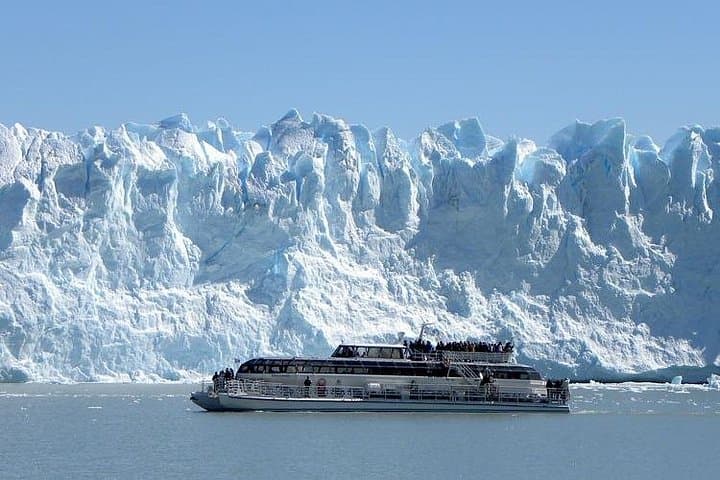
Witness Perito Moreno’s towering ice front from panoramic walkways and optional boat navigation on Lago Argentino. This full-day tour from El Calafate combines easy boardwalk walking with dramatic, close-up glacier viewing.
Witness Perito Moreno’s towering ice front from panoramic walkways and optional boat navigation on Lago Argentino. This full-day tour from El Calafate combines easy boardwalk walking with dramatic, close-up glacier viewing.
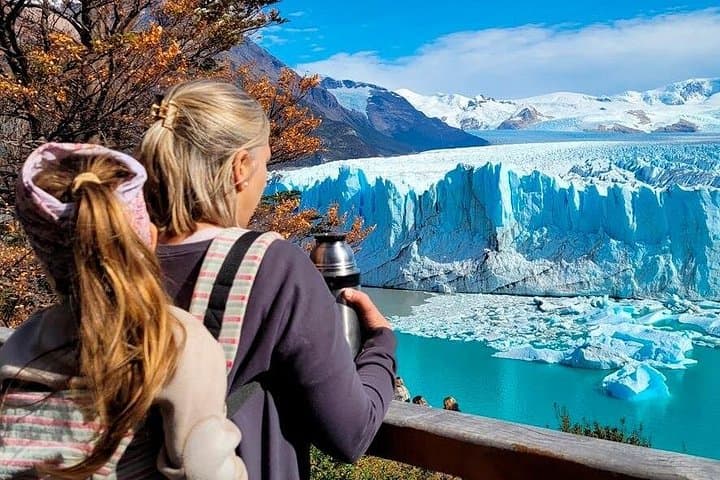
You arrive before the walkways, lakeside wind pushing at your jacket as the Perito Moreno Glacier looms across the water — a hulking wall of blue-white ice, its face rising 40–80 meters above Lago Argentino. From the shore the glacier feels alive: fractures hiss, small avalanches send plumes of spray, and the ice periodically calves with a sound that makes the benches vibrate.
Verified experiences and guided adventures in the surrounding area.
Operated by ParaViajantes Tours · El Calafate, Santa Cruz
You arrive before the walkways, lakeside wind pushing at your jacket as the Perito Moreno Glacier looms across the water — a hulking wall of blue-white ice, its face rising 40–80 meters above Lago Argentino. From the shore the glacier feels alive: fractures hiss, small avalanches send plumes of spray, and the ice periodically calves with a sound that makes the benches vibrate.
Los Glaciares National Park was created in 1937 and named a UNESCO World Heritage Site in 1981 for its concentration of Patagonian ice fields. Geologically this is an outlet of the Southern Patagonian Ice Field; centuries of accumulation and slow flow have sculpted crevasses, seracs, and the cliff-like front you watch from the boardwalks. The culture around El Calafate grew with tourism and cattle ranching; local guides often point out how estancias shaped access routes to these remote shores.
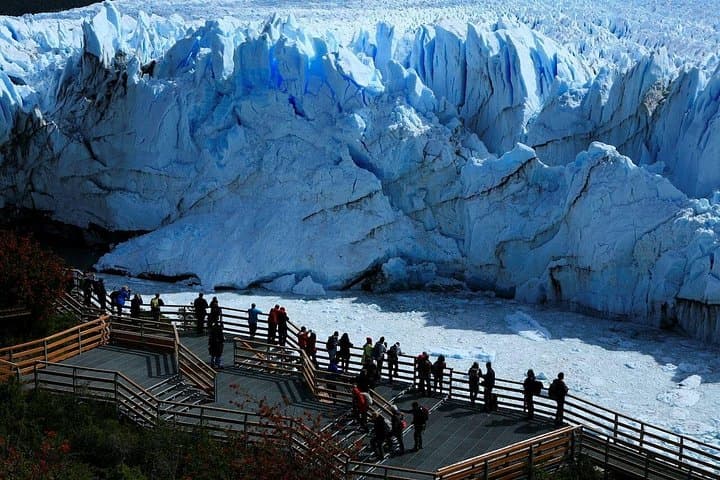
Practically, this is a full-day outing from El Calafate (about 80 km each way) that includes roughly four hours on the boardwalk system and an optional short boat ride to see the front from lake level. Terrain is compacted gravel and wood boardwalks with short stair sections — accessible routes exist but expect standing and short walks. Bring layered, windproof clothing, sun protection, and a charged camera; conditions change quickly. Aim for morning light for calmer water and clearer views, and allow time for the transfer back to town. Staying on marked paths helps protect fragile moraine soils and keeps you safe from unpredictable icefalls.
The boat navigation is offered as an option; confirm at booking whether your chosen itinerary includes the lake crossing or if it’s an additional add-on.
The park entrance is about 80 km from El Calafate; the full experience including transfers and time on the walkways typically runs around 7 hours.
There are accessible transport options and some wheelchair-accessible viewpoints, but contact the operator ahead to confirm specific assistance and pick-up limitations.
Summer (December–February) offers longer daylight and calmer conditions, but calving occurs year-round — mornings often provide steadier light and fewer crowds.
ParaViajantes Tours operates guided outdoor trips and adventures with an emphasis on safety, stewardship, and memorable experiences.

You arrive before the walkways, lakeside wind pushing at your jacket as the Perito Moreno Glacier looms across the water — a hulking wall of blue-white ice, its face rising 40–80 meters above Lago Argentino. From the shore the glacier feels alive: fractures hiss, small avalanches send plumes of spray, and the ice periodically calves with a sound that makes the benches vibrate.
You arrive before the walkways, lakeside wind pushing at your jacket as the Perito Moreno Glacier looms across the water — a hulking wall of blue-white ice, its face rising 40–80 meters above Lago Argentino. From the shore the glacier feels alive: fractures hiss, small avalanches send plumes of spray, and the ice periodically calves with a sound that makes the benches vibrate.
Los Glaciares National Park was created in 1937 and named a UNESCO World Heritage Site in 1981 for its concentration of Patagonian ice fields. Geologically this is an outlet of the Southern Patagonian Ice Field; centuries of accumulation and slow flow have sculpted crevasses, seracs, and the cliff-like front you watch from the boardwalks. The culture around El Calafate grew with tourism and cattle ranching; local guides often point out how estancias shaped access routes to these remote shores.
Practically, this is a full-day outing from El Calafate (about 80 km each way) that includes roughly four hours on the boardwalk system and an optional short boat ride to see the front from lake level. Terrain is compacted gravel and wood boardwalks with short stair sections — accessible routes exist but expect standing and short walks. Bring layered, windproof clothing, sun protection, and a charged camera; conditions change quickly. Aim for morning light for calmer water and clearer views, and allow time for the transfer back to town. Staying on marked paths helps protect fragile moraine soils and keeps you safe from unpredictable icefalls.