THE ADVENTURE COLLECTIVE® · Independent discovery and booking for outdoor travel

Experience Perito Moreno Glacier from structured boardwalks and expert National Park guides. This full-day tour from El Calafate combines scenic stops, local ecology, and close-up glacier viewing with practical guidance for a safe visit.
Experience Perito Moreno Glacier from structured boardwalks and expert National Park guides. This full-day tour from El Calafate combines scenic stops, local ecology, and close-up glacier viewing with practical guidance for a safe visit.
You step off the bus into a wind that seems to read your intentions: cool, sharp, and unapologetic. Ahead, a wall of blue ice rises from the water—Perito Moreno’s face, fissured and alive, cracking in low, inexorable language.
Verified experiences and guided adventures in the surrounding area.
Operated by GPS Travel · El Calafate, Santa Cruz
You step off the bus into a wind that seems to read your intentions: cool, sharp, and unapologetic. Ahead, a wall of blue ice rises from the water—Perito Moreno’s face, fissured and alive, cracking in low, inexorable language.
The glacier sits inside Los Glaciares National Park, shaped by Andean uplift and centuries of snowfall compressed into ice. Named for Francisco Pascasio Moreno, the site has been a focus of scientific study and regional culture; local guides will point out how the glacier’s tongue calves into Brazo Rico and how its advance and retreat mirror wider climatic shifts.
Geologically, this is a piedmont glacier, funneled from the Southern Patagonian Ice Field; culturally, it’s central to Patagonian identity and the eco-tourism economy around El Calafate. The walkways offer sequential vantage points—lower balconies for up-close rumble and upper platforms for panoramic scale—while the guide fills silence with context about flora, fauna and park management.
Practically: the tour runs a full day with multiple stops en route, and park boardwalks are well maintained but exposed to wind and spray. Wear layered, windproof clothing, sturdy waterproof shoes and sunglasses; expect short, uneven stair sections and up to an hour of standing at viewpoints. Bring snacks, a refillable water bottle, and a camera with extra batteries—the cold saps charge fast.
Timing matters: morning light softens the ice; late afternoon can produce dramatic calving light. Respect marked trails and the guide’s rendezvous time; the glacier is magnificent, but safety and conservation keep it that way.
No; the tour does not include entrance to Los Glaciares National Park—pay the fee at the park access point.
The walkways and viewpoints are wheelchair accessible in several areas, but some stair sections remain—confirm accessibility needs when booking.
Typical pickup begins around 8:45 a.m. with drop-off around 4:30 p.m.; exact times depend on your accommodation pickup point.
You can view calving from the boardwalks, but exact timing is unpredictable and guides recommend patience and warm clothing.
GPS Travel operates guided outdoor trips and adventures with an emphasis on safety, stewardship, and memorable experiences.
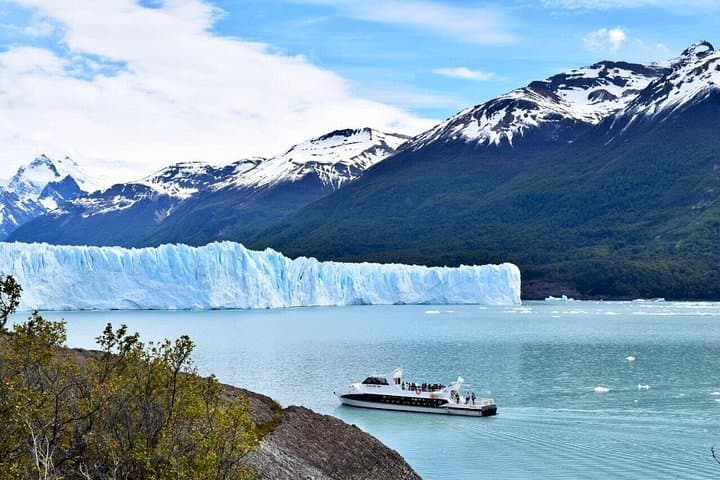
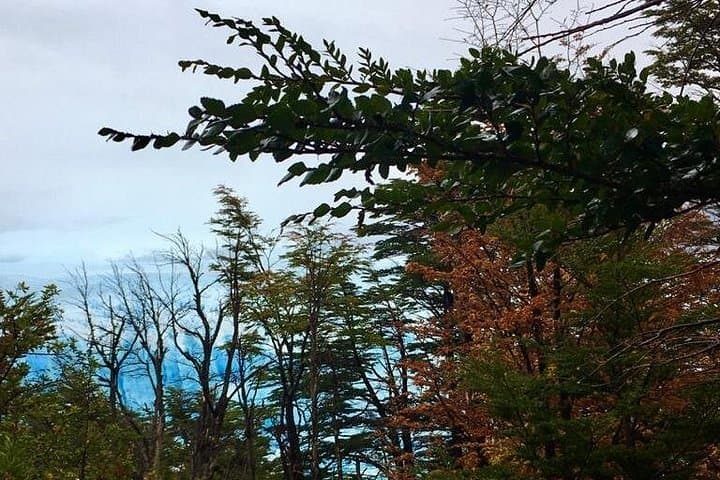


You step off the bus into a wind that seems to read your intentions: cool, sharp, and unapologetic. Ahead, a wall of blue ice rises from the water—Perito Moreno’s face, fissured and alive, cracking in low, inexorable language.
You step off the bus into a wind that seems to read your intentions: cool, sharp, and unapologetic. Ahead, a wall of blue ice rises from the water—Perito Moreno’s face, fissured and alive, cracking in low, inexorable language.
The glacier sits inside Los Glaciares National Park, shaped by Andean uplift and centuries of snowfall compressed into ice. Named for Francisco Pascasio Moreno, the site has been a focus of scientific study and regional culture; local guides will point out how the glacier’s tongue calves into Brazo Rico and how its advance and retreat mirror wider climatic shifts.
Geologically, this is a piedmont glacier, funneled from the Southern Patagonian Ice Field; culturally, it’s central to Patagonian identity and the eco-tourism economy around El Calafate. The walkways offer sequential vantage points—lower balconies for up-close rumble and upper platforms for panoramic scale—while the guide fills silence with context about flora, fauna and park management.
Practically: the tour runs a full day with multiple stops en route, and park boardwalks are well maintained but exposed to wind and spray. Wear layered, windproof clothing, sturdy waterproof shoes and sunglasses; expect short, uneven stair sections and up to an hour of standing at viewpoints. Bring snacks, a refillable water bottle, and a camera with extra batteries—the cold saps charge fast.
Timing matters: morning light softens the ice; late afternoon can produce dramatic calving light. Respect marked trails and the guide’s rendezvous time; the glacier is magnificent, but safety and conservation keep it that way.