THE ADVENTURE COLLECTIVE® · Independent discovery and booking for outdoor travel

A private, walk-led introduction to Fukuoka that pairs shrine visits, urban parks, and local food stops. Ideal for first-time visitors who want cultural context and flexible pacing.
A private, walk-led introduction to Fukuoka that pairs shrine visits, urban parks, and local food stops. Ideal for first-time visitors who want cultural context and flexible pacing.
You step out from Tully’s Coffee into a city that moves at its own tidy rhythm: the harbor air brushes past low-rise storefronts, cyclists thread alleys, and plane contrails sketch the sky above Fukuoka Tower. This private, walk-focused tour stitches together Hakata’s portside energy, the calm of Ohori Park’s lake, and the ritual hush of Dazaifu Tenmangu’s plum-flanked approach.
Verified experiences and guided adventures in the surrounding area.
Operated by WANDER Japan · Fukuoka, Fukuoka Prefecture
You step out from Tully’s Coffee into a city that moves at its own tidy rhythm: the harbor air brushes past low-rise storefronts, cyclists thread alleys, and plane contrails sketch the sky above Fukuoka Tower. This private, walk-focused tour stitches together Hakata’s portside energy, the calm of Ohori Park’s lake, and the ritual hush of Dazaifu Tenmangu’s plum-flanked approach.
Fukuoka sits on northern Kyushu, where volcanic rocks and clay soils shape low coastal plains; its history is a meeting point of trade, Shinto practice and scholar culture. Hakata’s Kushida Shrine preserves centuries-old festivals while Dazaifu grew as a center of learning and courtly devotion—young students still come to pray during exam season beneath early-spring plum blossoms.
Expect city gardens, broad observation decks, and temple aisles: wander manicured Japanese gardens, watch koi circle, and learn omikuji fortune rituals. Street-level culture is food-forward—ramen stalls and yatai (street vendors) offer immediate tasting notes on regional flavors.
Practical side: the route is predominantly paved, wheelchair-accessible in many spots, and runs 3–7 hours depending on stops. Comfortable walking shoes, a light rain layer and a charged phone for transit and translations make the day smoother. Midday can be hot and humid in summer; mornings or late afternoons offer softer light for photos and calmer shrines.
This tour is ideal for travelers who want a curated pace—part history primer, part neighborhood exploration—guided by a local who adapts the route to interests, whether shrine lore, garden design, or street-side snacks.
The tour runs about 3–7 hours depending on your chosen stops; your guide can shorten the route to focus on specific neighborhoods or sites.
Standard itineraries do not include paid admissions—your guide will advise on entrance fees and help plan which paid sites to visit.
Yes—surfaces are mostly paved and stroller-friendly; however, some shrine steps and narrow streets may require carrying or extra assistance.
Yes, hotel meet-up is available on request for centrally located accommodations—confirm pickup details when booking.
WANDER Japan operates guided outdoor trips and adventures with an emphasis on safety, stewardship, and memorable experiences.

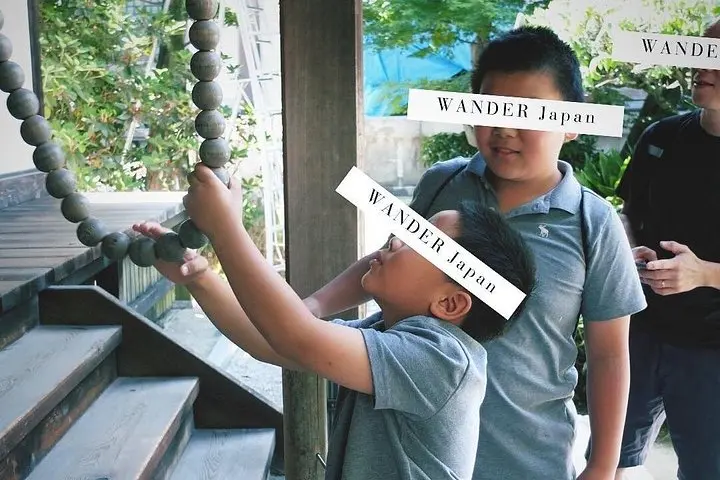


You step out from Tully’s Coffee into a city that moves at its own tidy rhythm: the harbor air brushes past low-rise storefronts, cyclists thread alleys, and plane contrails sketch the sky above Fukuoka Tower. This private, walk-focused tour stitches together Hakata’s portside energy, the calm of Ohori Park’s lake, and the ritual hush of Dazaifu Tenmangu’s plum-flanked approach.
You step out from Tully’s Coffee into a city that moves at its own tidy rhythm: the harbor air brushes past low-rise storefronts, cyclists thread alleys, and plane contrails sketch the sky above Fukuoka Tower. This private, walk-focused tour stitches together Hakata’s portside energy, the calm of Ohori Park’s lake, and the ritual hush of Dazaifu Tenmangu’s plum-flanked approach.
Fukuoka sits on northern Kyushu, where volcanic rocks and clay soils shape low coastal plains; its history is a meeting point of trade, Shinto practice and scholar culture. Hakata’s Kushida Shrine preserves centuries-old festivals while Dazaifu grew as a center of learning and courtly devotion—young students still come to pray during exam season beneath early-spring plum blossoms.
Expect city gardens, broad observation decks, and temple aisles: wander manicured Japanese gardens, watch koi circle, and learn omikuji fortune rituals. Street-level culture is food-forward—ramen stalls and yatai (street vendors) offer immediate tasting notes on regional flavors.
Practical side: the route is predominantly paved, wheelchair-accessible in many spots, and runs 3–7 hours depending on stops. Comfortable walking shoes, a light rain layer and a charged phone for transit and translations make the day smoother. Midday can be hot and humid in summer; mornings or late afternoons offer softer light for photos and calmer shrines.
This tour is ideal for travelers who want a curated pace—part history primer, part neighborhood exploration—guided by a local who adapts the route to interests, whether shrine lore, garden design, or street-side snacks.