THE ADVENTURE COLLECTIVE® · Independent discovery and booking for outdoor travel

Traverse glaciers, cloud forest and high Andean lakes on a 15–21 day Peru circuit that pairs the Cordillera Blanca’s Santa Cruz trek with the Inca Trail and cultural stops at Titicaca, Colca and Nazca. Expect long days at altitude, dramatic passes and indispensable planning for permits and acclimatization.
Traverse glaciers, cloud forest and high Andean lakes on a 15–21 day Peru circuit that pairs the Cordillera Blanca’s Santa Cruz trek with the Inca Trail and cultural stops at Titicaca, Colca and Nazca. Expect long days at altitude, dramatic passes and indispensable planning for permits and acclimatization.
Dawn breaks cold and clear above a high valley in the Cordillera Blanca; a string of tents holds last night’s breath while glaciers glitter like old coins against the sky. You shoulder a pack and step onto a stony path that climbs through puna grass and past turquoise lakes, the mountains watching with unmoved patience.
Verified experiences and guided adventures in the surrounding area.
Operated by Peru Expeditions Tours · Huaraz, Ancash
Dawn breaks cold and clear above a high valley in the Cordillera Blanca; a string of tents holds last night’s breath while glaciers glitter like old coins against the sky. You shoulder a pack and step onto a stony path that climbs through puna grass and past turquoise lakes, the mountains watching with unmoved patience.
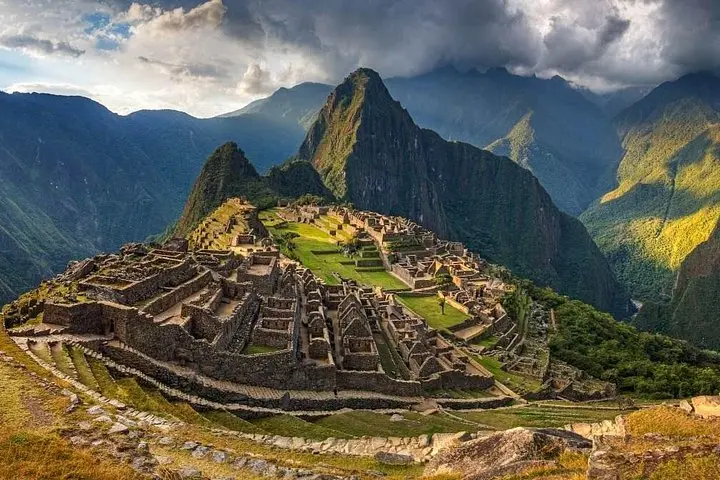
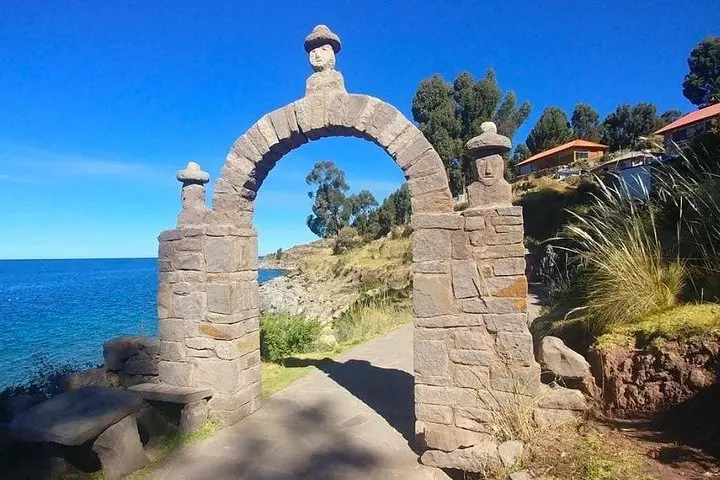
This multi-week circuit stitches together two of Peru’s most compelling landscapes: the high, glaciated Cordillera Blanca—home to Huascarán (6,768 m), Alpamayo and Artesonraju—and the humid cloud forest of the Inca Trail that opens onto Machu Picchu. Along the route you move through distinct geologies: glacially carved valleys, moraines, and volcanic highlands en route to Arequipa and the Colca Canyon. Cultural layers are constant: pre-Inca terraces, Inca stone stairways on the trail, the reed islands and living traditions on Lake Titicaca, and the desert glyphs at Nazca.
Practical snapshot: the classic Santa Cruz trek runs 4 days and roughly 40–50 km with camps from 2,850 m up to Punta Unión at 4,750 m; the Inca Trail segment is ~43 km over 4 days with Warmihuanusca (Dead Woman Pass) at 4,205 m. Expect rocky trails, steep ascents, high-altitude exposure, and humid steps in cloud forest sections. Acclimatize in Huaraz or Cusco, carry a sleeping bag rated for sub-zero nights, and book Inca Trail permits at least 6–8 months ahead. Hydrate, layer for cold mornings and strong midday sun, and plan rest days after long ascents—altitude, not mileage, is your primary challenge.
Taken together this itinerary is a study in contrasts: glaciers daring you to climb, cloud forest pushing you forward, and human history folded into every stone.
Yes—permits for the classic Inca Trail are limited and must be booked months in advance; alternative access to Machu Picchu via the train or Salkantay and alternative treks is possible if permits are sold out.
The Santa Cruz trek is moderately to highly strenuous: 4 days, ~40–50 km, with a high point at Punta Unión (4,750 m) and sustained elevation changes—good fitness and acclimatization are required.
Possibly—symptoms can occur above 2,500–3,000 m; take time to acclimatize, hydrate, avoid heavy alcohol, and descend if symptoms worsen.
Yes—this itinerary uses tents and camp support (often with mule logistics and local crew); confirm sleeping bag requirements and any carry limits with the operator.
Peru Expeditions Tours operates guided outdoor trips and adventures with an emphasis on safety, stewardship, and memorable experiences.
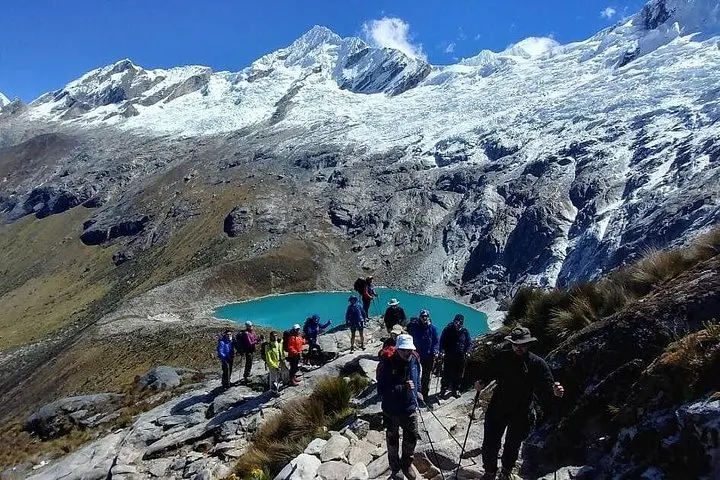
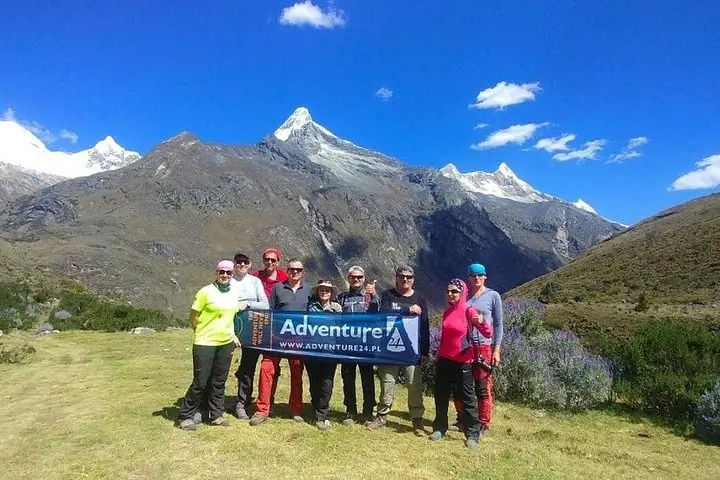
Dawn breaks cold and clear above a high valley in the Cordillera Blanca; a string of tents holds last night’s breath while glaciers glitter like old coins against the sky. You shoulder a pack and step onto a stony path that climbs through puna grass and past turquoise lakes, the mountains watching with unmoved patience.
Dawn breaks cold and clear above a high valley in the Cordillera Blanca; a string of tents holds last night’s breath while glaciers glitter like old coins against the sky. You shoulder a pack and step onto a stony path that climbs through puna grass and past turquoise lakes, the mountains watching with unmoved patience.
This multi-week circuit stitches together two of Peru’s most compelling landscapes: the high, glaciated Cordillera Blanca—home to Huascarán (6,768 m), Alpamayo and Artesonraju—and the humid cloud forest of the Inca Trail that opens onto Machu Picchu. Along the route you move through distinct geologies: glacially carved valleys, moraines, and volcanic highlands en route to Arequipa and the Colca Canyon. Cultural layers are constant: pre-Inca terraces, Inca stone stairways on the trail, the reed islands and living traditions on Lake Titicaca, and the desert glyphs at Nazca.
Practical snapshot: the classic Santa Cruz trek runs 4 days and roughly 40–50 km with camps from 2,850 m up to Punta Unión at 4,750 m; the Inca Trail segment is ~43 km over 4 days with Warmihuanusca (Dead Woman Pass) at 4,205 m. Expect rocky trails, steep ascents, high-altitude exposure, and humid steps in cloud forest sections. Acclimatize in Huaraz or Cusco, carry a sleeping bag rated for sub-zero nights, and book Inca Trail permits at least 6–8 months ahead. Hydrate, layer for cold mornings and strong midday sun, and plan rest days after long ascents—altitude, not mileage, is your primary challenge.
Taken together this itinerary is a study in contrasts: glaciers daring you to climb, cloud forest pushing you forward, and human history folded into every stone.